When people think of Inca, they think of shoes. And fair enough. For much of the 20th century the town in the heart of the island was one of Spain’s most important footwear manufacturing centers. Some of the world’s most recognizable shoe brands still call it home. But here’s the thing: even many people who live on Mallorca or visit regularly still see Inca through that industrial lens. And drive straight past without stopping. Turns out, that’s a serious mistake. Because once you actually spend a day in Inca, you find a lively, layered city with great food, a living history, and a hill with a view that goes on forever. And more character per square meter than many places on the island. Here are 12 reasons to give Inca the day it deserves.
Start the Morning at Cafè Inca
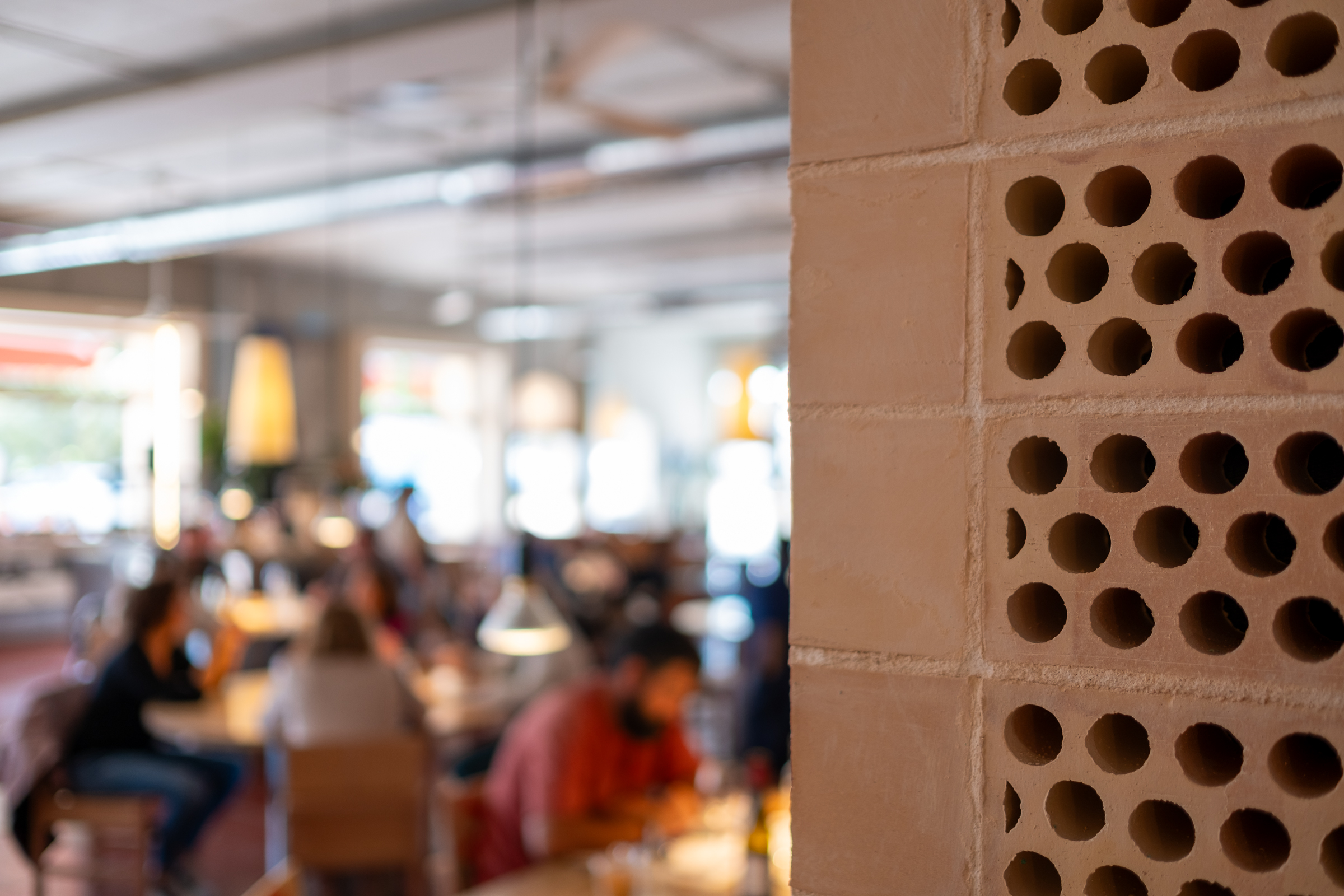
The best way to begin one day in Inca is with a coffee at Cafè Inca. The moment you step into the light-flooded room with its bright wood, exposed concrete, and red brick you feel immediately welcome. But what makes this place truly special goes well beyond the interior. Cafè Inca is run by Esment. A foundation which has been integrating people with mental disabilities into the labor market for more than 60 years. In practice, this means a warm, unhurried atmosphere that’s entirely its own.
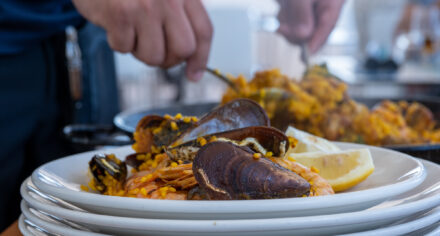
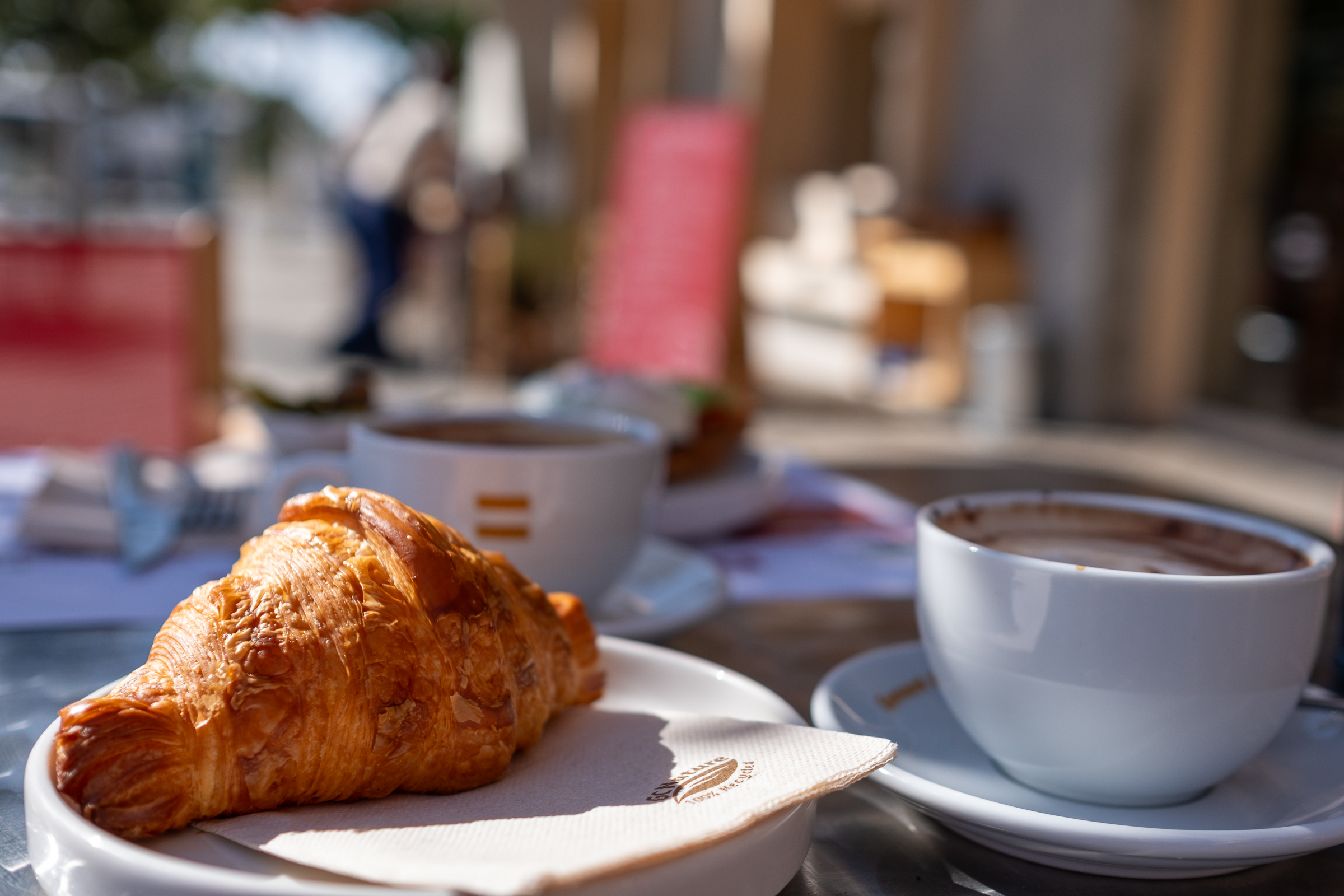
Locals come in the morning for a coffee, a freshly squeezed orange juice, and a tostada, or something from the artisan bakery. An ensaimada, a coca de patata, or a slice of what is arguably one of the best sourdough breads on the island. By lunchtime, the place fills up with families and groups of friends. The open kitchen means you can watch the chefs at work, and specialties like arroz and fideuà are worth coming back for. Everything here feels purposeful and genuine. A perfect start.
Next Door: A Museum That Actually Tells a Story
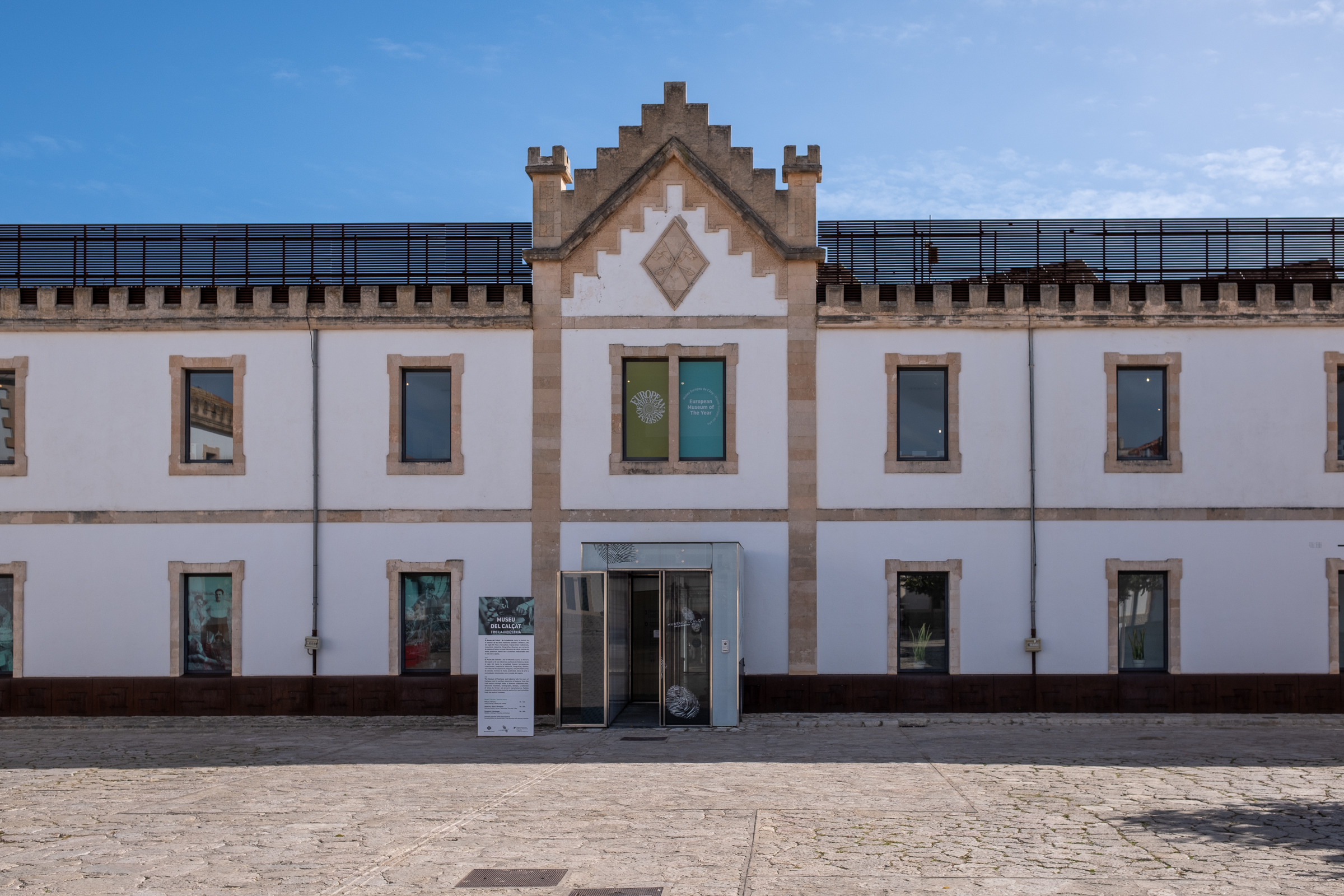
Just a few steps away is the Museu del Calçat i de la Indústria. Mallorca’s shoe museum is housed in a beautifully restored former army barracks. If you assumed it would be a dusty display of old boots, think again. The permanent collection traces shoemaking on Mallorca from pre-industrial craft all the way through the 20th century. There is historic machinery, factory office furnishings, advertising campaigns, and a remarkable range of footwear. From primitive sandals and working boots to high heels and welted shoes.

Well-known local names like Camper, Carmina, and Bestard feature alongside eccentric international models and plenty of surprises. Moreover, the interactive concept makes it engaging for all ages. Younger visitors can even design their own shoes in a small workshop. The museum has earned the distinction of being named a European Museum of the Year, and it deserves it. Admission is free. Donations are welcome.

On Thursdays: Don’t Miss the Market
If you happen to be in Inca on a Thursday, you’re in luck. Every Thursday from 8 a.m. to 2 p.m., farmers and traders set up in the streets of the old town. They sell fresh produce, seasonal vegetables, flowers, clothing, and all manner of things you didn’t know you needed until you saw them. It’s been going on for centuries, and it still draws people from all over the island. Even if you don’t buy anything, simply walking through the bustle of it is worth your time. The market spills across several streets and squares, so follow the crowd and let it take you where it will.

Or: Head Up the Hill
Alternatively, or additionally, if you have the energy, take the short hike up to Puig de Santa Magdalena, Inca’s home mountain. The climb is moderate and, before long, you reach a large picnic area. With its tables and barbecues it is a popular weekend destination for families. From there, a prominent staircase leads up to the Santuari de Santa Magdalena.

The views from the top are spectacular: a wide sweep of the southern part of the island, framed by the sky. Cyclists follow the paved road up to the lookout, while hikers shouldn’t miss the short detour to the Cruz de la Minyó. A rocky path winds through shrubs and wind-bent trees to a large stone cross you may have already spotted on the way up. It’s a short trip, but one that stays with you.

Lunch in a Celler
By the time you come back down from the Puig, or after you’ve worked your way through the market, you’ll be ready for lunch. And in Inca, that means a celler. The city has several of these former wine cellars turned eating houses, a tradition that runs deep across Mallorca. The newest and most talked-about is Celler Tonet, opened recently by Maria and Teresa Solivellas. The sisters behind Ca na Toneta in Caimari, one of the island’s most beloved restaurants.
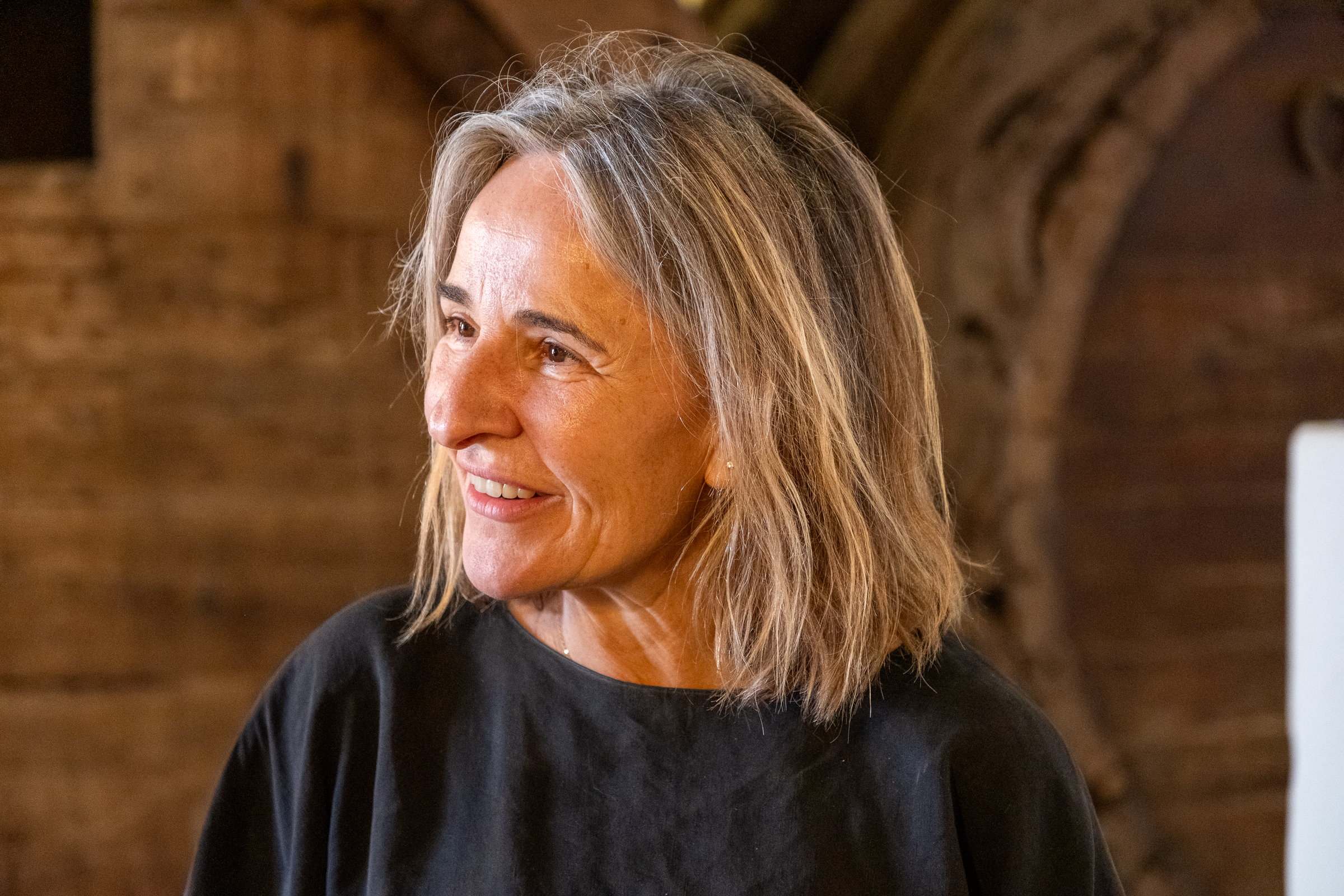
Step inside and the atmosphere settles around you immediately: old wine barrels, plain surfaces, nothing that doesn’t belong. The menu reads like a love letter to the Mallorcan larder. Celler classics like arroz brut, pilotes, and fish a la mallorquina arrive with the quiet refinement that defines the Solivellas kitchen. Everything is seasonal, everything is connected to the island. In summer, the terrace adds another reason to linger.

A Detour to Recamper
If the walking reminded you that your shoes have seen better days, or you simply enjoy browsing outstanding design, a visit to Recamper is well worth building into your morning or early afternoon. Camper, which was founded in Inca, runs this concept store that goes beyond a factory outlet. You’ll find remaining pairs and past-season styles from Camper, CamperLab, and Normal, as well as shoes with minor imperfections at attractive prices.

If you arrive in the morning, you can also take a look at the small exhibition in the reception area of the Camper headquarters. It traces the company’s history from its roots on the island to its global presence today. Inca without Camper would be a little like Barcelona without Gaudí. It’s simply part of the story.

A Place of Fights, In More Ways Than One
Walking along the edge of the old town, you might almost miss the unremarkable entrance flanked by three small ticket windows. But behind this wall is a venue built for spectacle. The Plaza de Toros de Inca, one of three historic bullrings on the island, seats around 8,000 people. Step inside and the scale of the place settles over you in a way that’s hard to shake. The empty tiers, the sand of the ring, the silence.

It produces something not unlike the feeling of standing in the Colosseum in Rome. A particular chill that comes from imagining what these walls have held. The Balearic Parliament tried to restrict and ultimately prohibit bullfighting in 2017, but Spain’s Constitutional Court struck down key provisions of the law in December 2018. And fights returned to Mallorca in 2019. Today the arena also hosts concerts and other events, and that is perhaps the more comfortable reason to find yourself here. Places like this don’t let you look away so easily. And maybe they shouldn’t.

History Written on the Walls: Sant Domingo and the Jardí de la Memoria
Another striking place in Inca is the Claustre de Sant Domingo, a Dominican convent whose cloister dates back to the 17th century. The building alone is reason enough to seek it out. Adjacent to it, a mural by Abraham Calero is not to be missed. Calero is one of Mallorca’s most politically engaged street artists, and his work here is both visually arresting and genuinely moving.

It’s the kind of place that makes you stand still for a while and think. The mural tells about more recent history, when the cloister was a center of repression and torture during the Franco era. It’s called Jardí de la Memoria, Garden of Memory. Seven trees, seven hands rising from the earth, seven letters. MEMORIA. Today the building houses the city’s archive.

Street Art, All Over the City
While you’re looking for Calero’s work, keep your eyes open more broadly. Inca has developed a serious street art scene and regularly hosts a dedicated street art festival that brings artists from across the island and beyond to paint on its walls. As a result, the city’s walls and facades have become a kind of open-air gallery that changes and grows every year. You’ll find large-scale murals tucked into side streets, on the sides of industrial buildings, and around corners you wouldn’t expect. It rewards walking slowly and looking up.

Open Eyes, Happy Surprises
One of the genuine pleasures of spending a day in Inca is that the city keeps offering small, unexpected moments. You might turn a corner and find a flamenco group rehearsing for a new video in the street. The kind of thing you’d catch on the Instagram of Sirás Danza later but stumble upon in person today.

Or you slow down in front of a shop window and find something unexpected at Forum, the Inca outpost of one of Palma’s best womenswear stores. The first Forum location on Carrer de Sant Miquel is already a go-to address for fashion-conscious women in the capital. The Inca store carries the same carefully curated spirit. Worth a look, even if you came for the shoes.

Dinner at Joan Marc
The best way to round off a day like this is with a visit to the restaurant on Plaça del Blanquer, where chef Joan Marc brings the whole island to life on a plate. And has been doing so for years with a modesty and confidence that’s all his own. The interior is warm and natural, with light wood and large windows looking out onto the square and its tall trees. Through the open kitchen, you can watch the team at work. Always following the season, always with deep respect for the traditional local cuisine.

The tomato tartare, draped like a small piece of art on its plate, combines the intensity of summer and the fruit of fall in a single bite. The tasting menu takes you on a journey of flavors and textures that surprises at every turn. Whether you live near Inca or are visiting for the first time, Joan Marc is worth the trip on its own. Tonight, after everything the city has shown you, it feels like the perfect full stop.
What a day.
How To Get There
Inca is located in the heart of Mallorca and is one of the island’s main transport hubs. All train services from Palma towards the north and east of the island stop in Inca, making it easy to reach by rail. In addition, numerous intercity bus routes connect Inca with destinations across Mallorca. For timetables, routes and journey planning, visit the official TIB websites: TIB Trains and TIB Route Planner. 
Read more about Shoes on Mallorca, here.