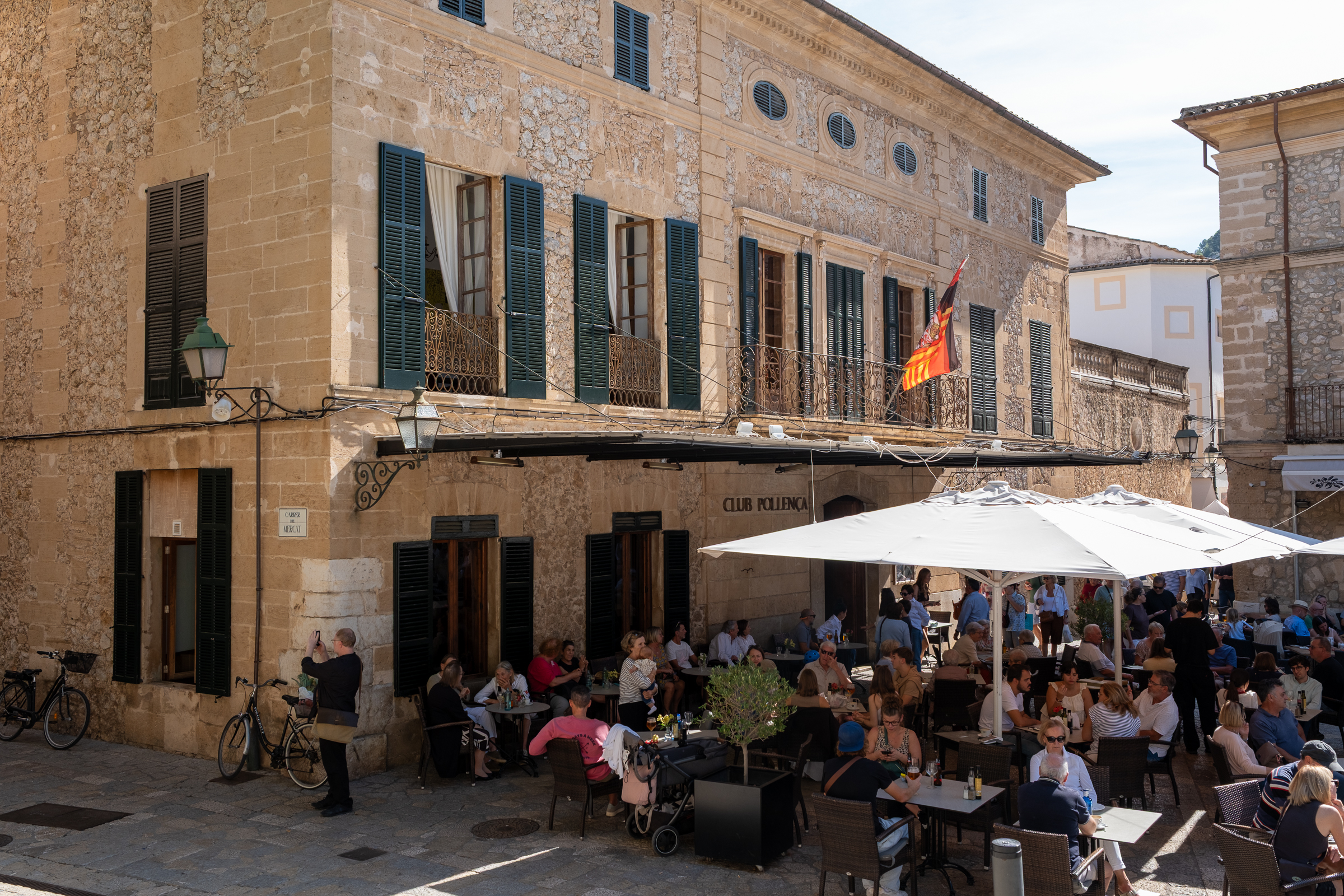
Many visitors cheer when they spot a free table on Plaça Major. They order a coffee and enjoy the view of the church square. What most of them do not realize is that this is not just another bar or restaurant. Club Pollença has a proud history. And it is far more than a café. Once guests step inside, the artworks catch their eye almost immediately. And anyone who looks closely will notice that many of the guests are not simply visitors. They are members of an institution that is not only called a club but truly is one.
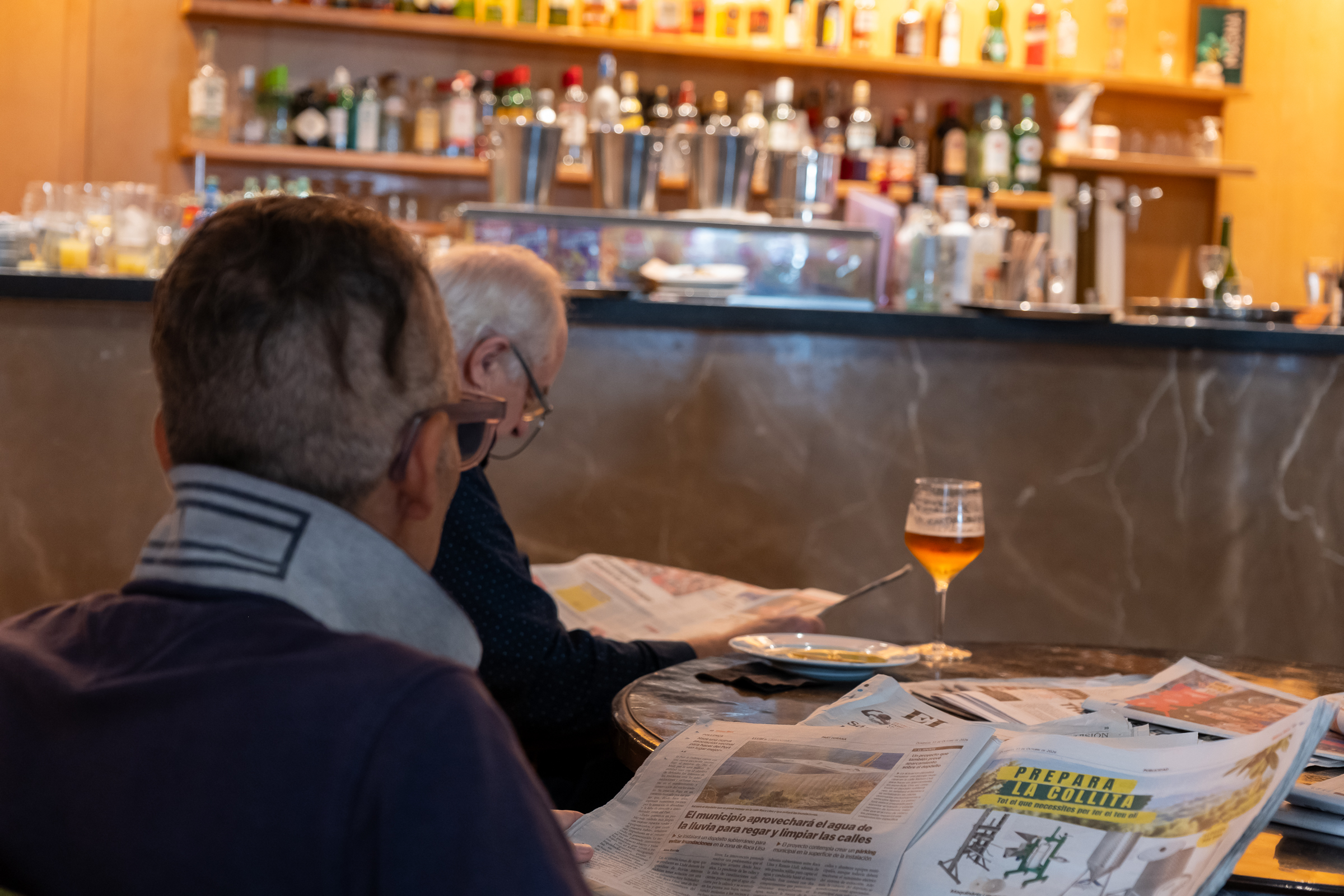
Coffee, Beer and the Daily News
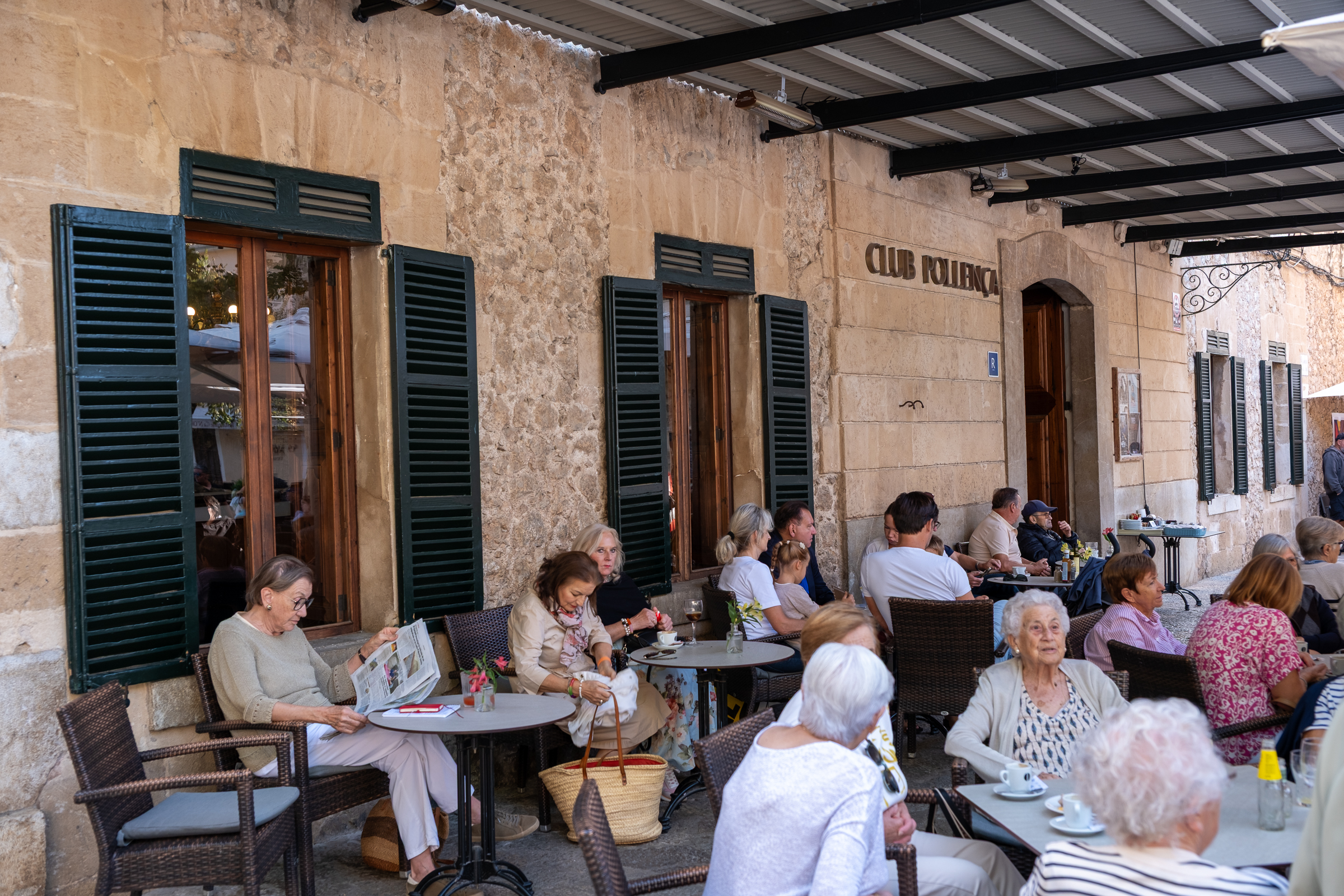
At Club Pollença daily life follows a pleasant rhythm. Members and guests drink coffee or beer while they read the newspaper. Then the conversation starts, first with friends and soon with the neighbor at the next table. Together they sort through the news of the world and the latest talk from Pollença.
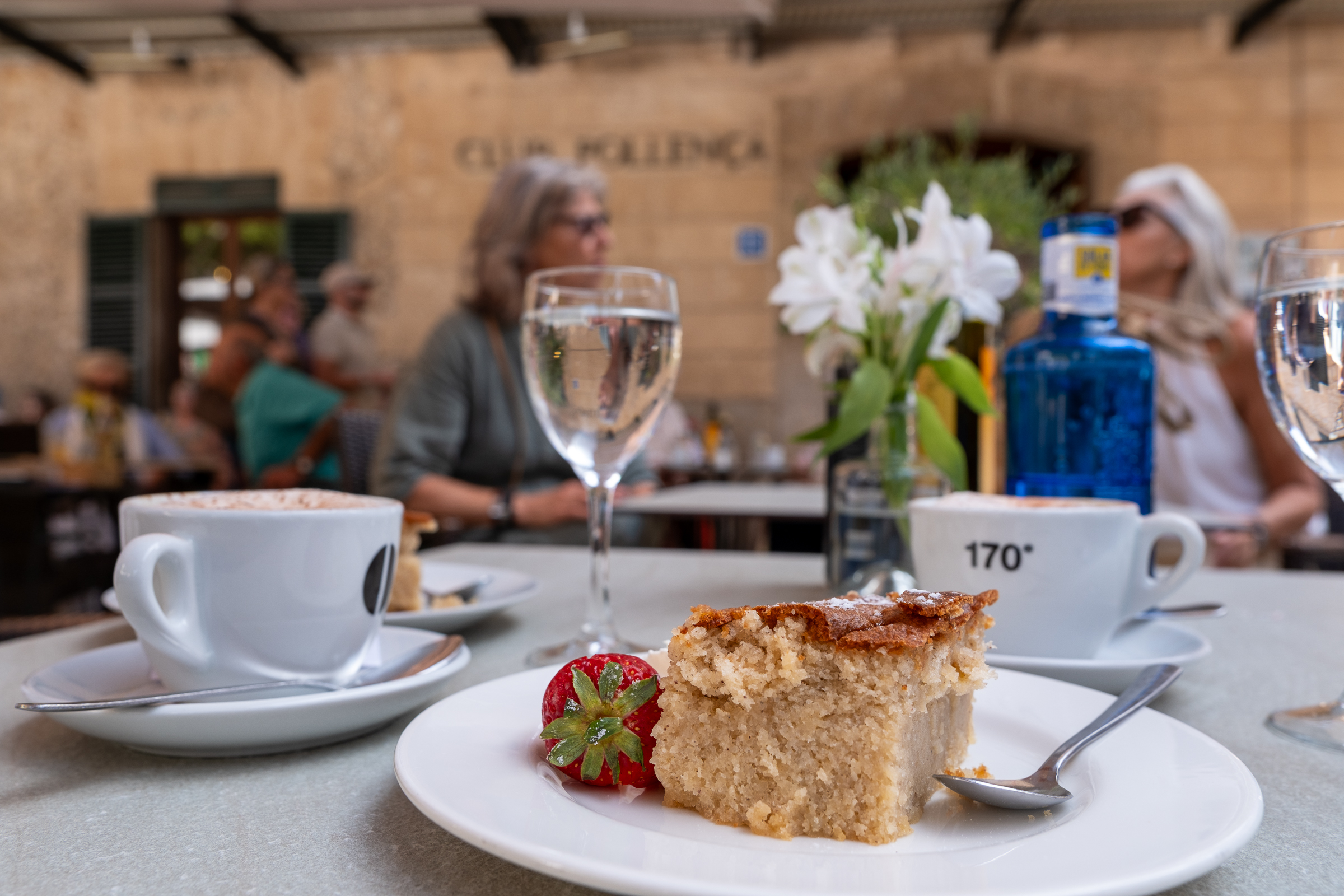
After the early birds have left, the crowd changes. It’s now time for a hearty meal, and the menu ranges from pa amb oli to salad, from paella to dorada. And, of course, there is a nice choice of tapas.
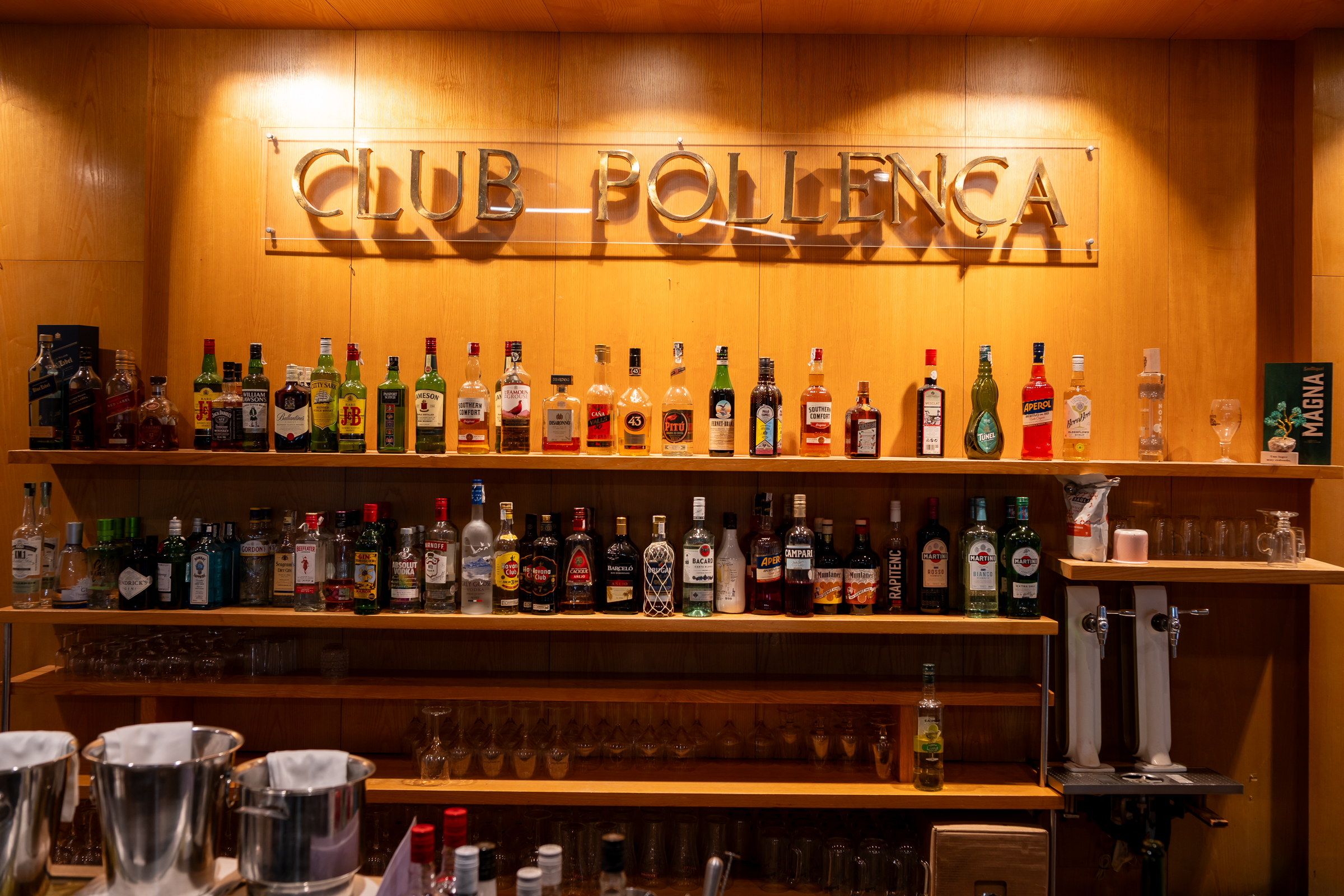
Whether at the bar, in one of the salons or on the large terrace, the mood stays relaxed. Some rooms even carry their history in their names. The Sala de les Corbates, for instance, once belonged to gentlemen in ties. Today, more than 1,200 members call the club their own and many treat the place like a second living room.
From Cycling to Mountain Club
Pollença is known today as a meeting point for road cyclists. And actually, Club Pollença was founded as a cycling club in June 1910. However, the members soon wanted more than rides. By 1930, the association took its current name and became a center of cultural, sporting and social life.
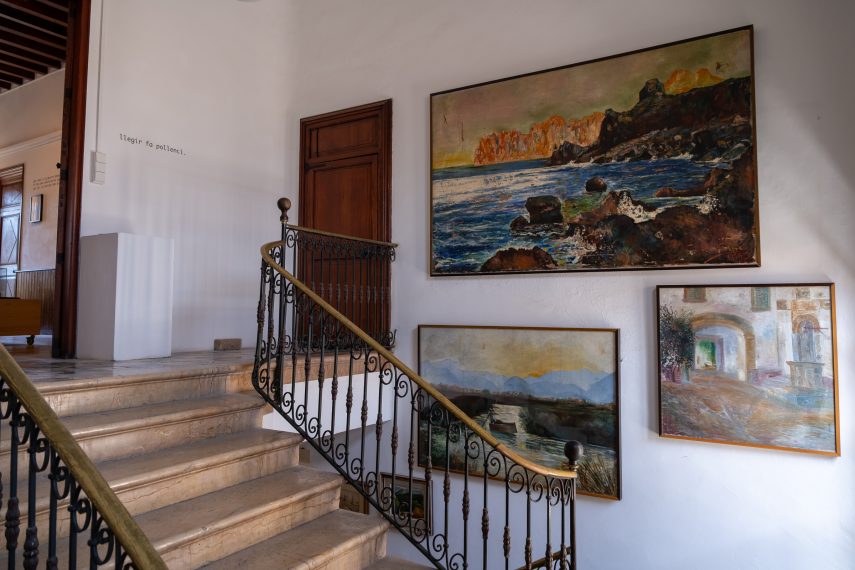
The first headquarters stood on the far side of the square. Later, it settled into Ca n’Aulí, a 19th century manor with an imperial staircase, and bought the house in 1962. Over the years, the repertoire kept growing, with football, chess, hiking and trail running.
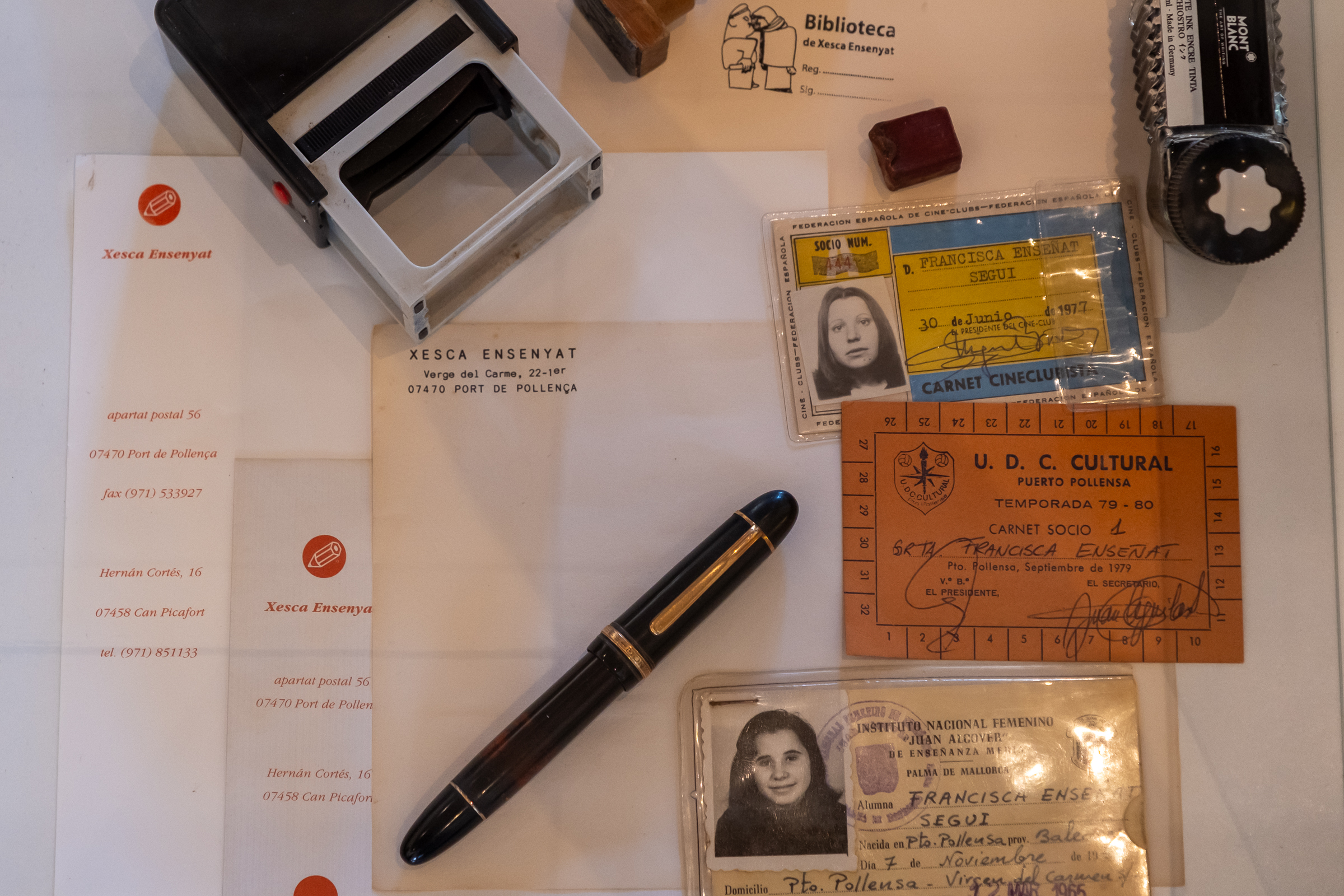
Culture Upstairs and In the Salon
Culture soon became the club’s second nature. The 1950s are remembered as its golden age, with lectures, theater and exhibitions. Even under the Franco dictatorship, the club offered Mallorcan language courses in 1967. Besides, big names have performed here, among them singer Joan Manuel Serrat.
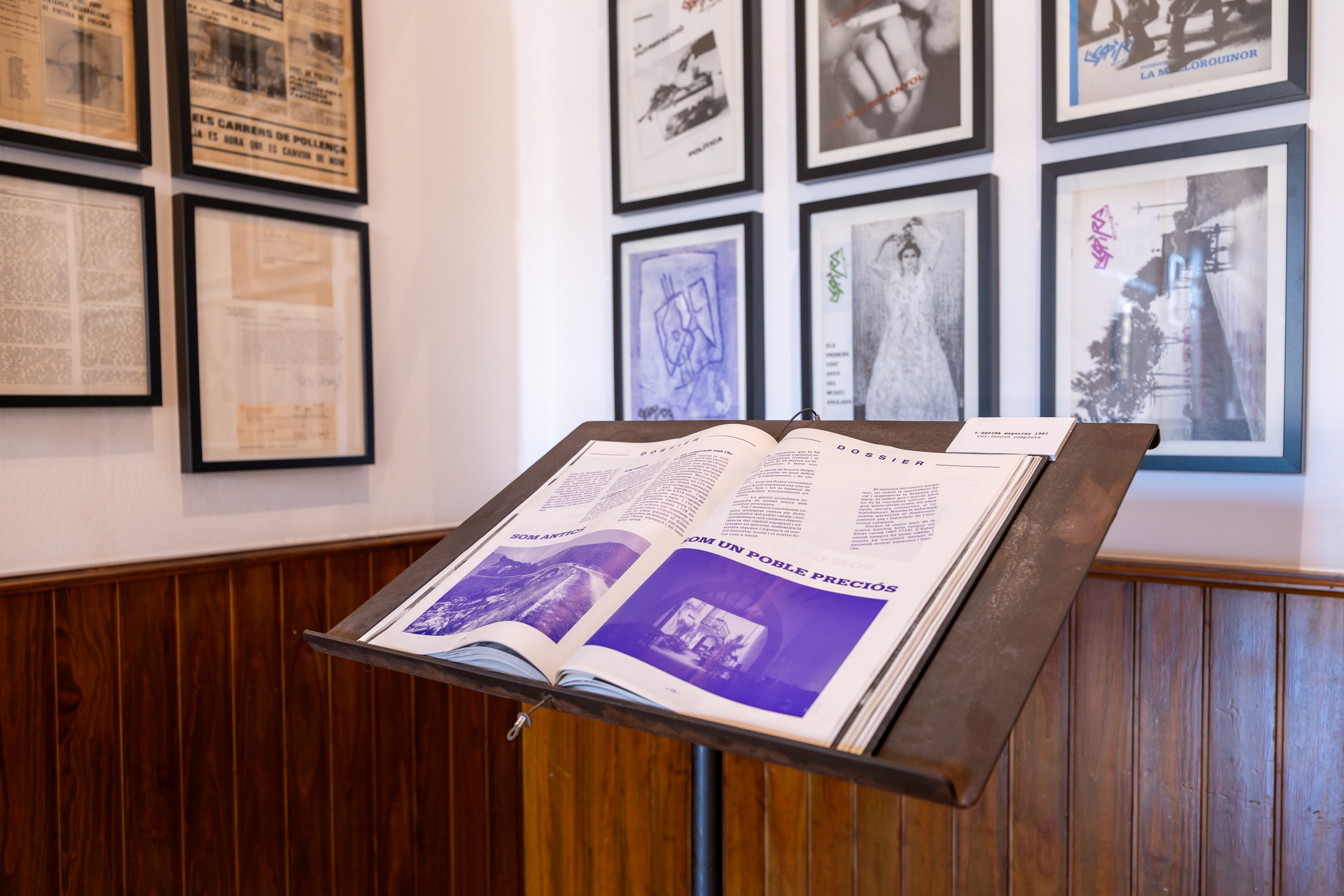
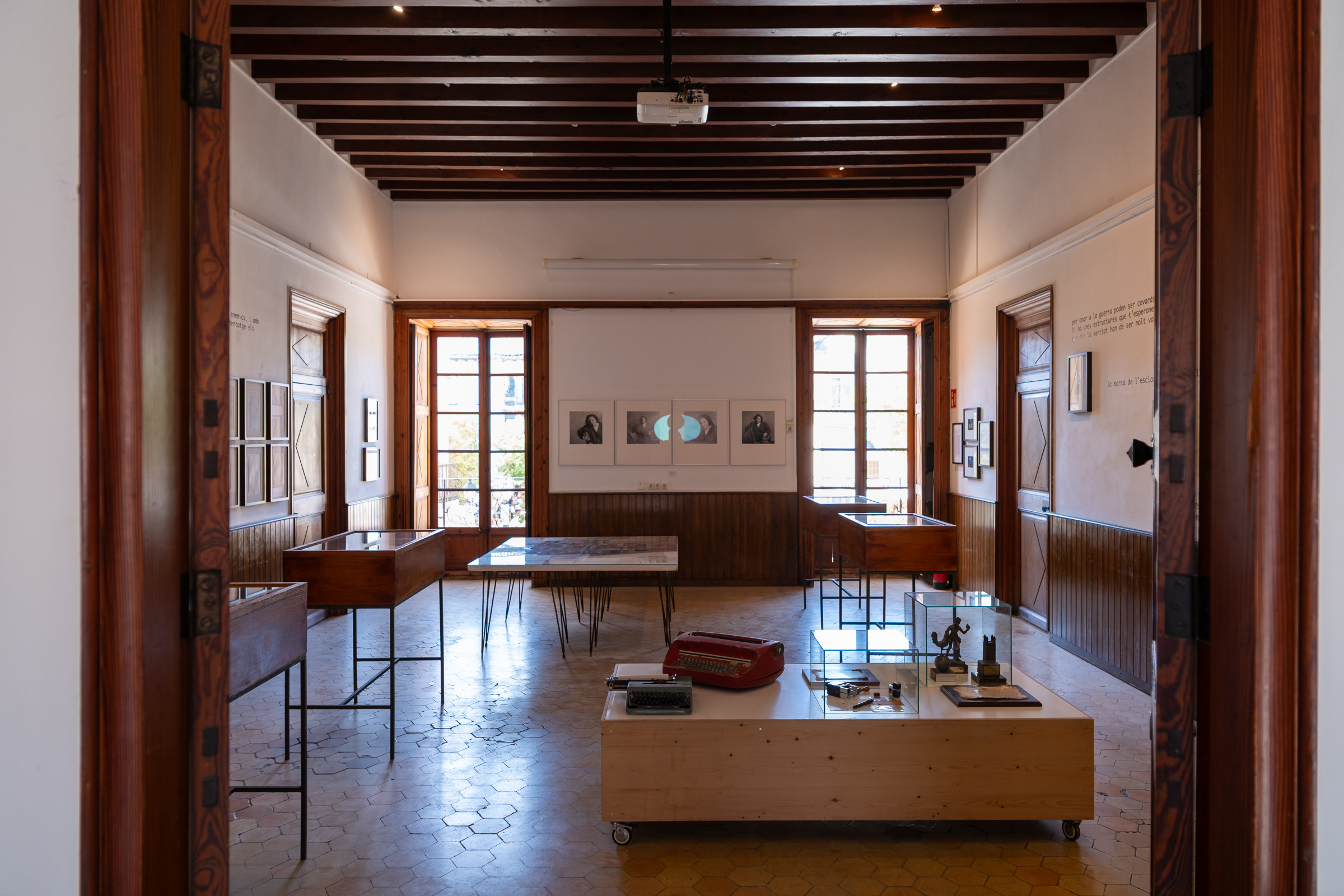
Today, the program is just as lively. Exhibitions change throughout the year, and the Setmana d’Arquitectura i Disseny has drawn leading architects and designers since 2014. Meanwhile, the Cine Club screens films, Primaveres Musicals brings concerts, and literary meetings welcome well-known authors. In August, the Lluna Plena de Poesia gathers poetry lovers under the first full moon. Furthermore, the Curt Club has invited young filmmakers to submit short films since 2016.
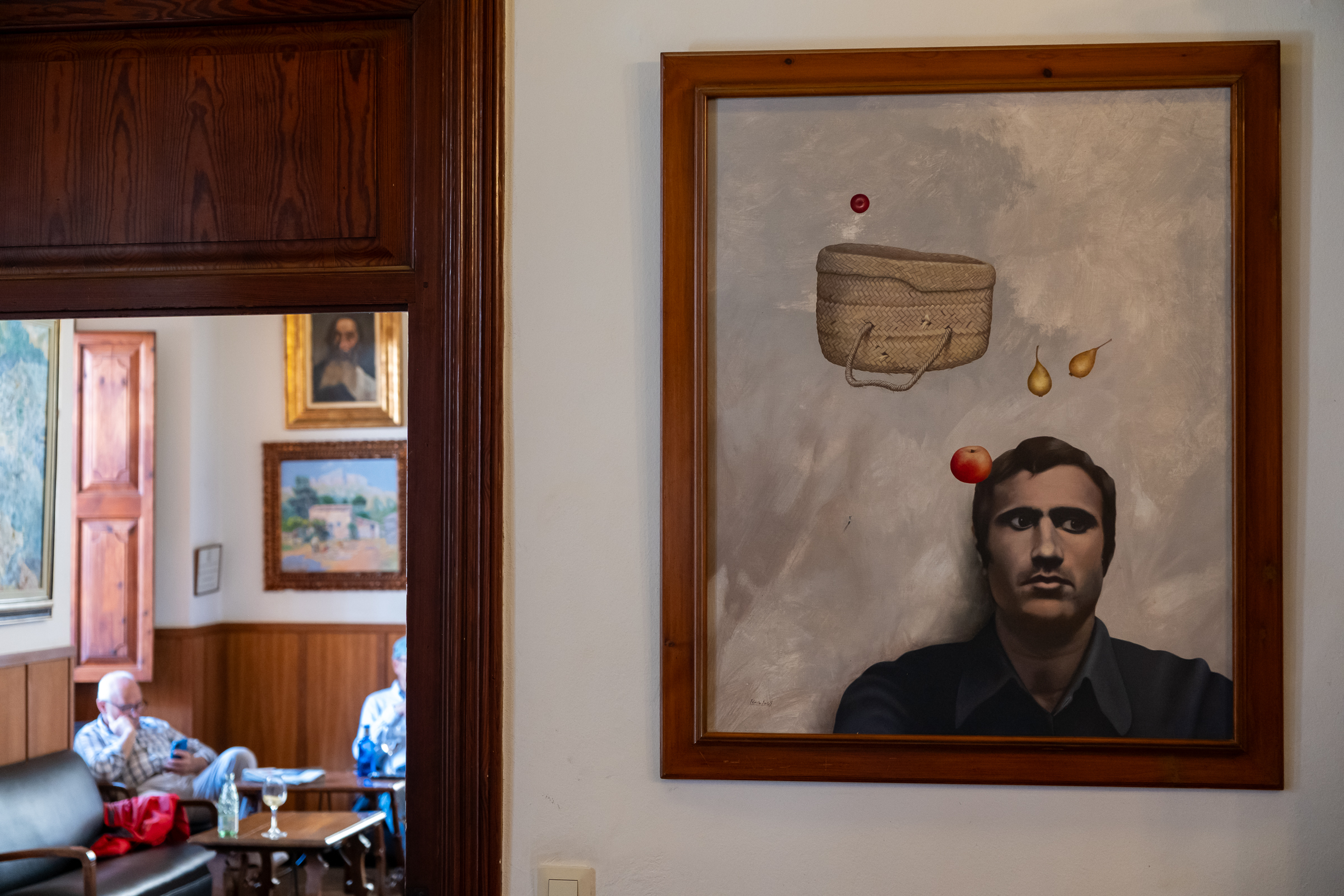
A Gallery Built On Gifts
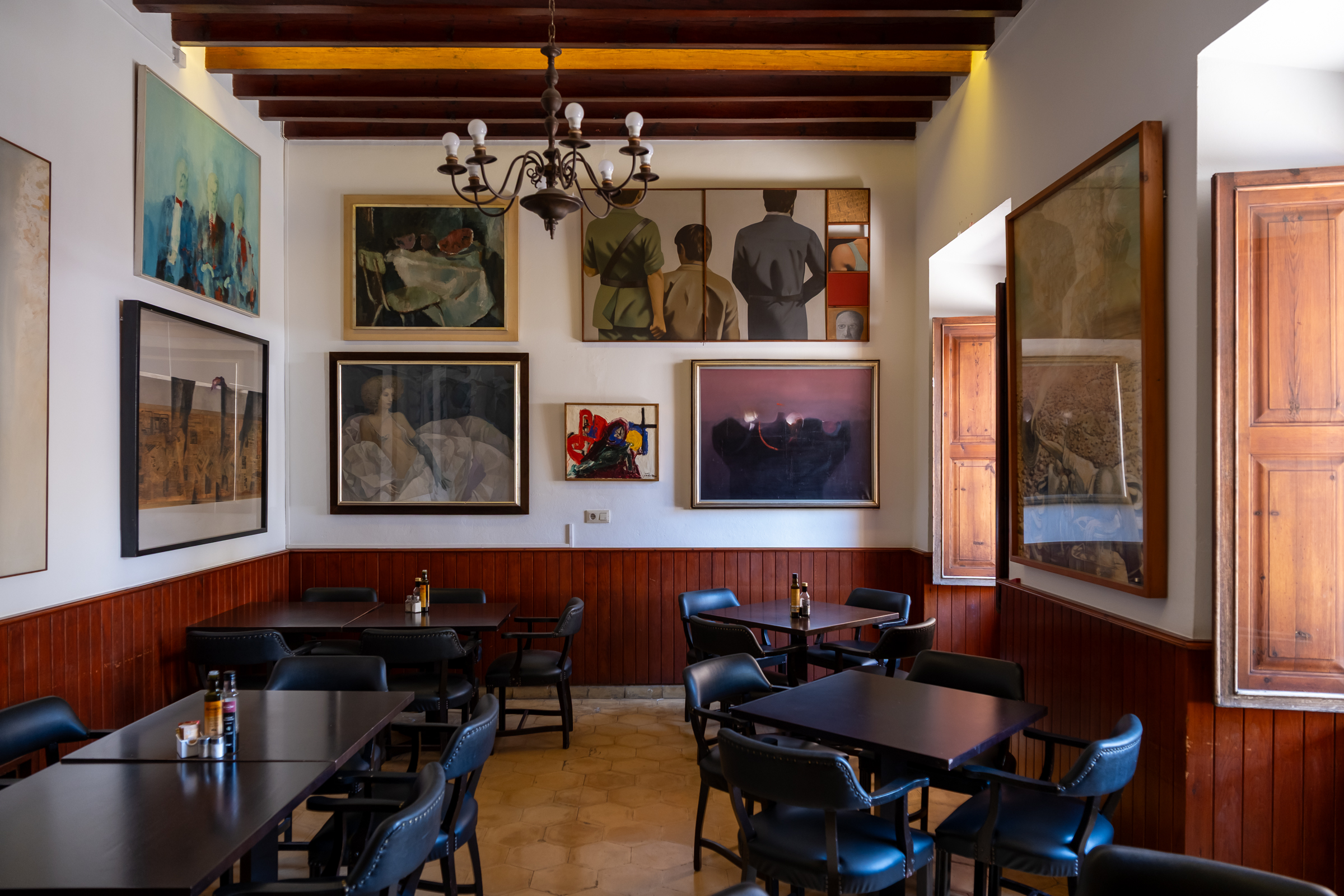
Many of these shows leave something behind. By tradition, artists who exhibit at the club donate a piece to it. As a result, the club owns a remarkable collection, and it has bought only two paintings in its entire history. More recently, artists such as Susy Gómez and Joan Bennàssar donated works and received a membership for ten years in return. Therefore, the walls tell the club’s story almost like a diary. Every frame marks a show, a friendship or an era.
Where Past Meets Present On the Plaza
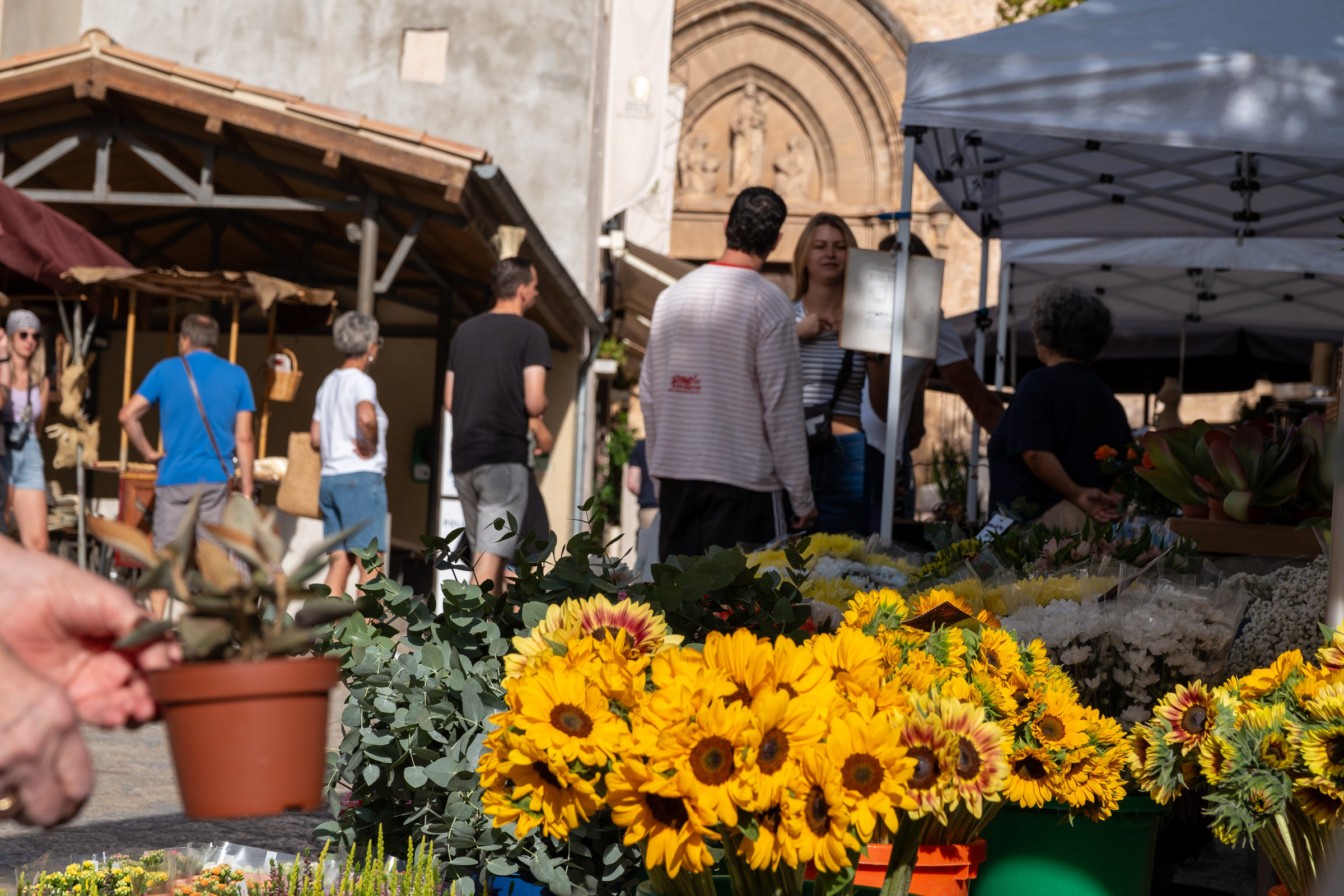
All of this makes a seat at Club Pollença worth more than a good view. On Sunday mornings, the weekly market fills Plaça Major with stalls, and the club sits right in the middle of the bustle. Yet it keeps looking forward.
From November 6 to 8, Pollença premieres Turullum, its first amateur theater showcase, and the club is one of the venues. On November 20, a benefit concert follows in the salon at 8 p.m. In other words, the past is never far, and the present never stops. So the next time you find a free table on the square, remember that you are sitting at the front door of a club that has brought Pollença together for more than a century. Then step inside and have a closer look. 
Pl. Major, 10
07460 Pollença
website