Few cities collide with you the way Sevilla does. Within hours you can stand under the largest Gothic cathedral in the world, squeeze through a maze of narrow alleys and get lost inside the royal palace. Moorish and Christian rulers both left their mark here. Later, trade with the Americas made the city rich, and that wealth grew from exploitation as much as from enterprise. Yet nothing about Sevilla feels like a museum. The squares fill up late at night, and the city hardly seems to sleep.
Sevilla Seen Through a Wide Lens
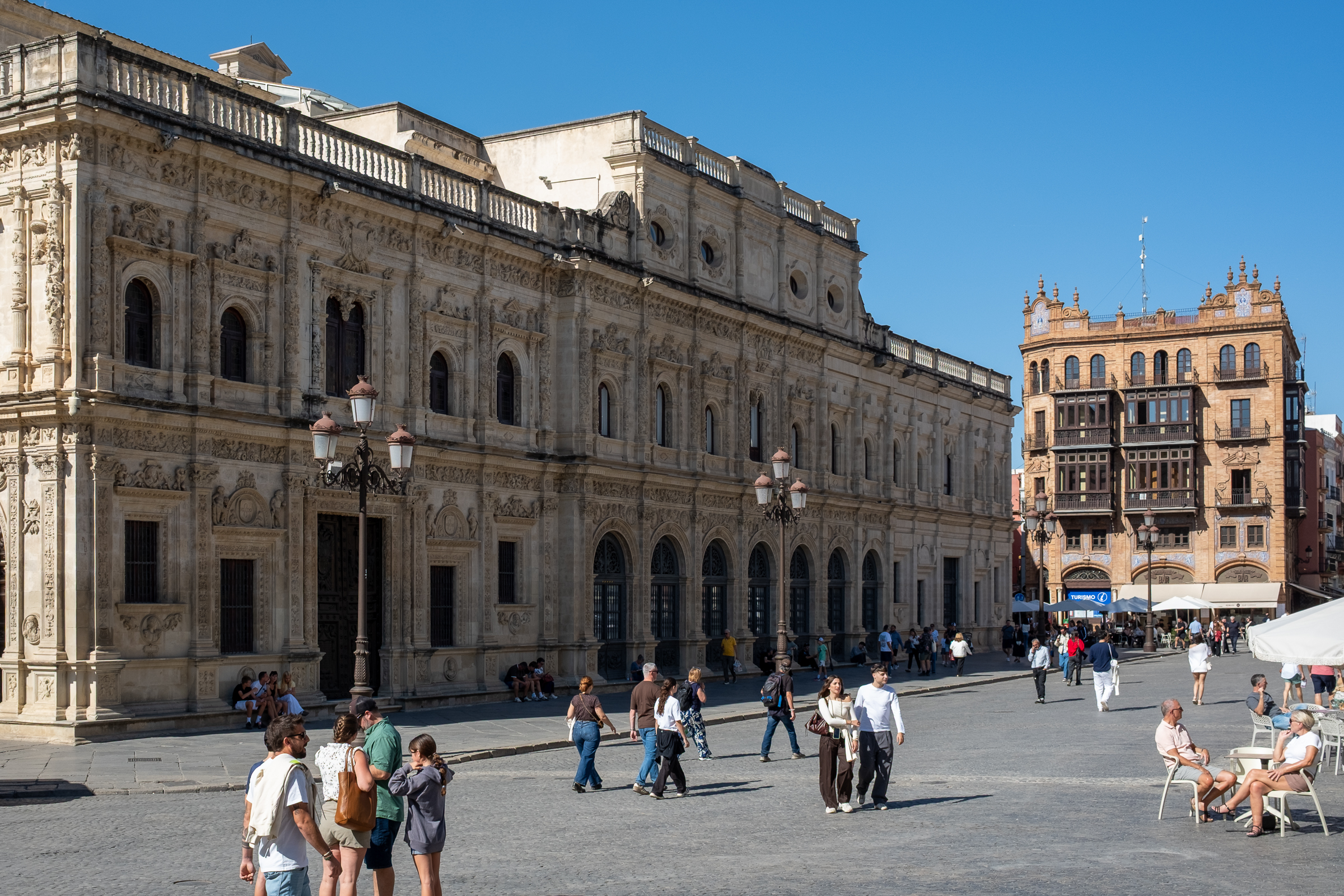
A City Shot Like a Movie
If Sevilla were a film, the audience would get dizzy. The camera cuts from a sweeping wide shot to a close-up of a single tile, then races back out again. Indeed, history here comes in layers, and in English the word fits twice. Every story in Sevilla has several stories. But the city never stopped writing new chapters.
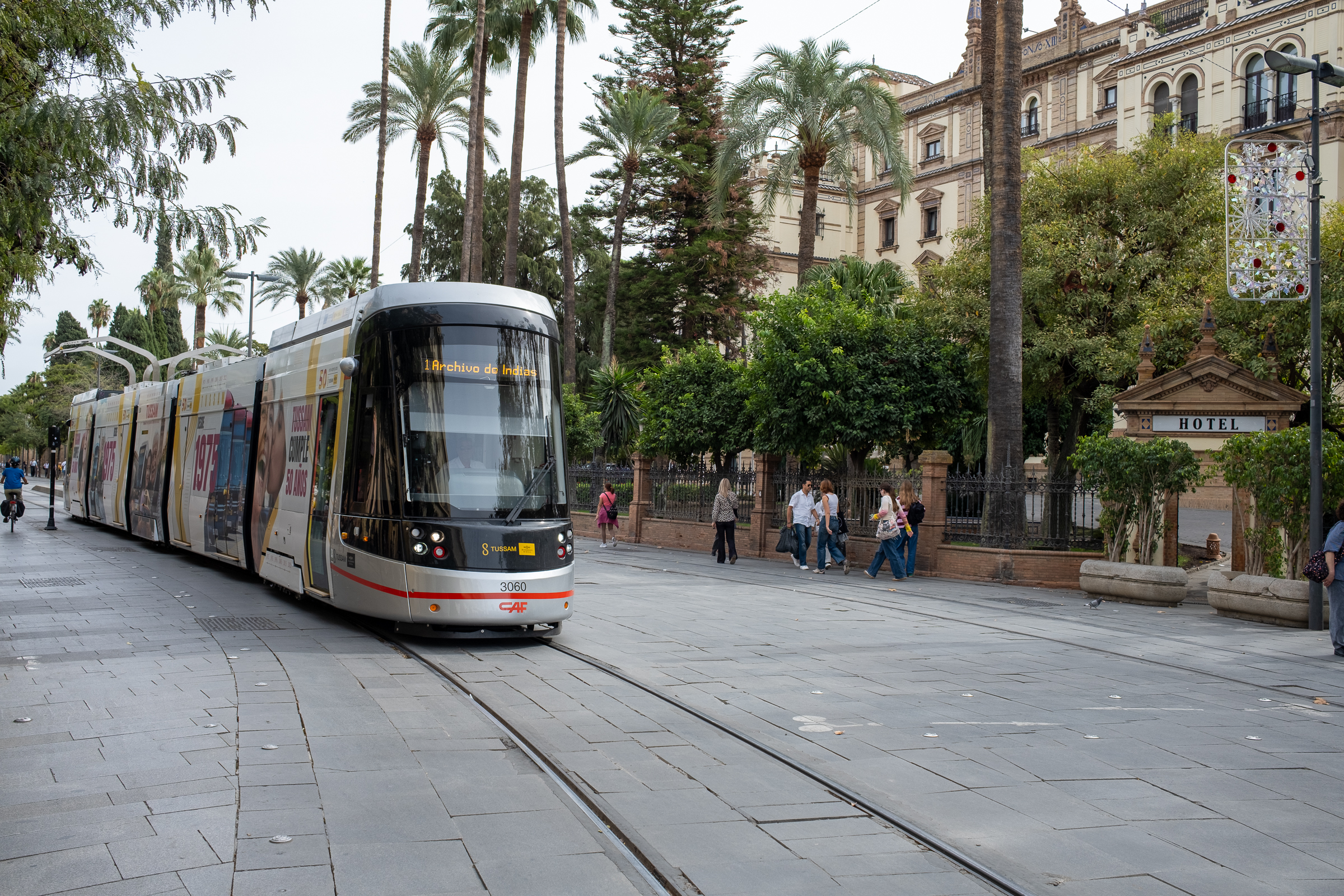
Sevilla Moves With the Times
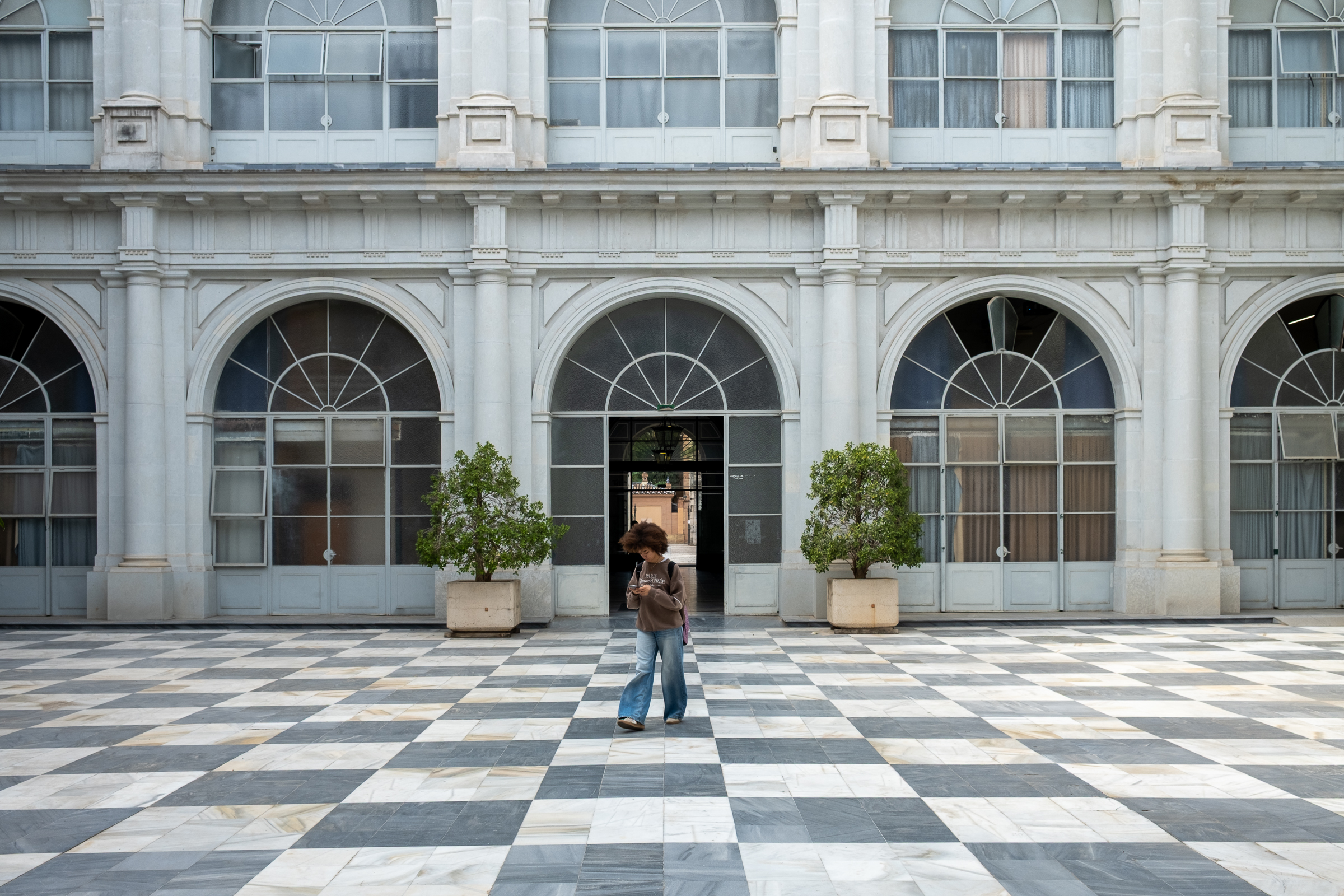
Take the old Real Fábrica de Tabacos. When it was finished in 1771, it was the largest industrial building in Europe. Today students from around the world cross its courtyards, because the University of Sevilla has used it since the 1950s. Meanwhile, a modern tram glides past through the historic center without a single overhead wire. Its batteries recharge at the stops while passengers get on and off, so the skyline stays clear.
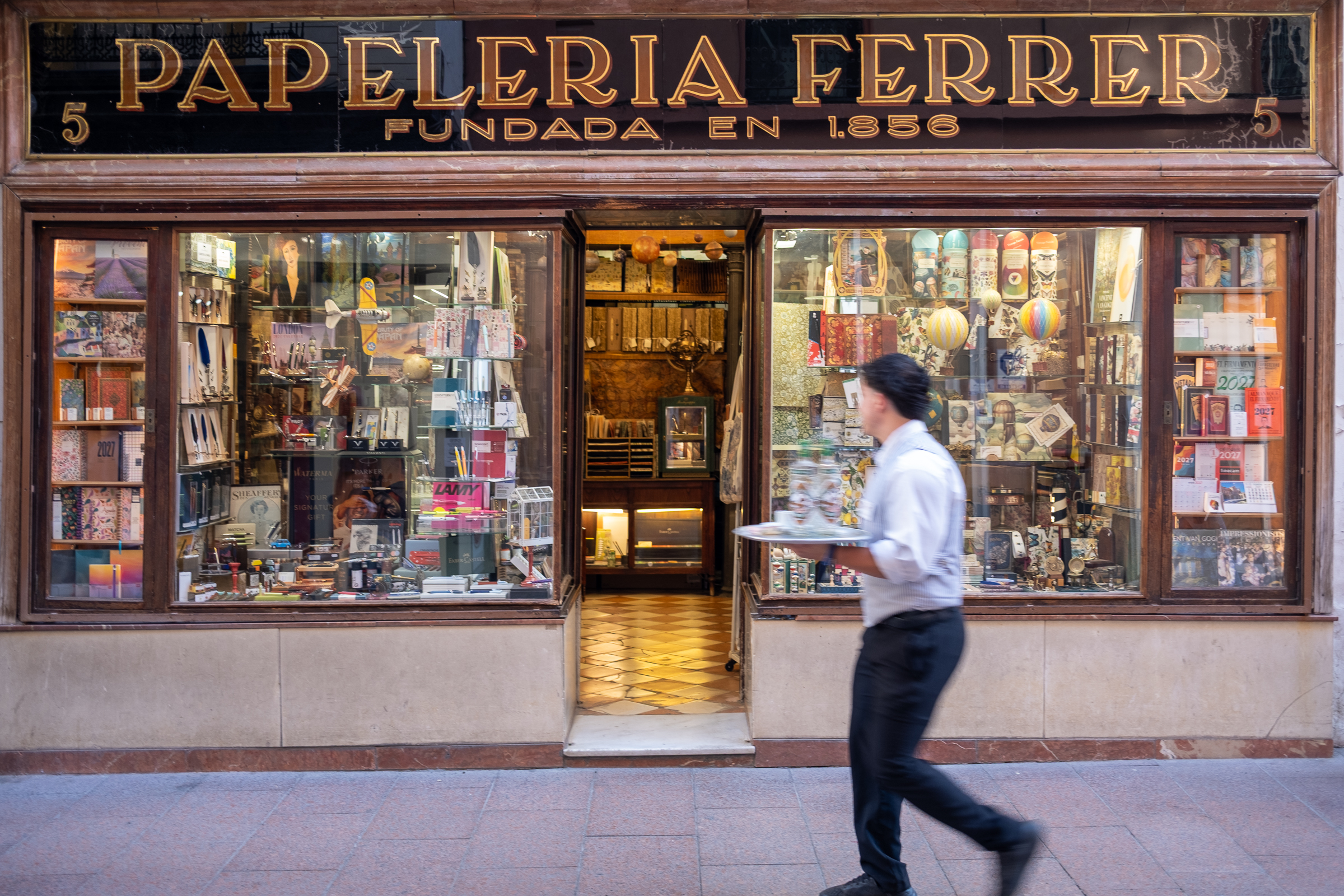
Essentials Never Go Out of Style
Since 1885, the people of Sevilla have been enjoying coffee and sweet treats at Confitería La Campana, a pastry shop and ice cream parlor that also supplies the royal family. If you stop by the main store, don’t forget to also take a look into the neighboring stationery shop. Papelería Ferrer was founded as early as 1856.
A Palace That Casts a Spell
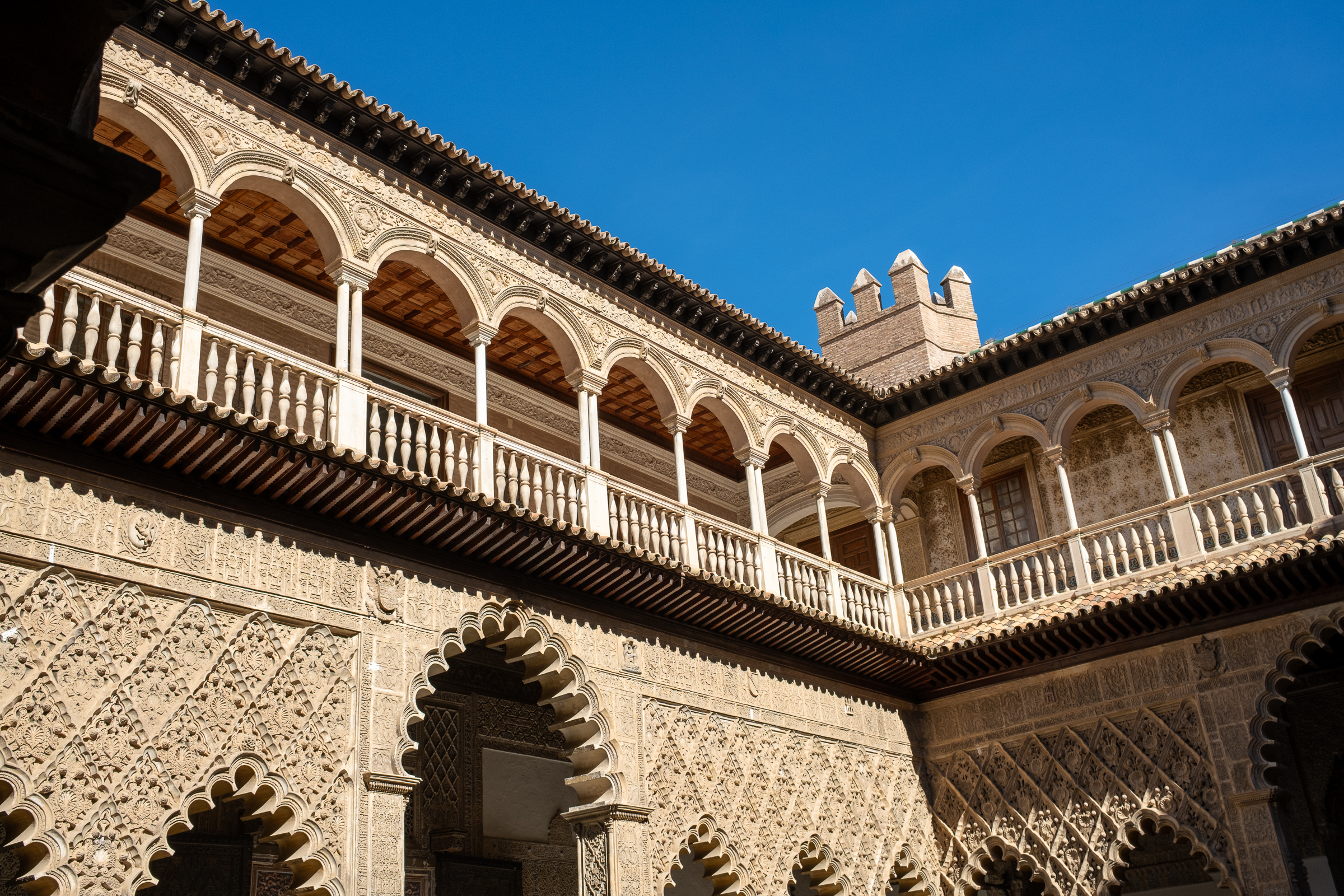
Then comes the Real Alcázar, and calling it a building undersells it. Courtyards, halls and gardens built, rebuilt and landscaped over hundreds of years, roll into each other. Light-flooded Gothic rooms give way to chambers with magnificent Mudéjar ornamentation, the style that emerged when Islamic craftsmanship was put to use in the service of Christian kings.
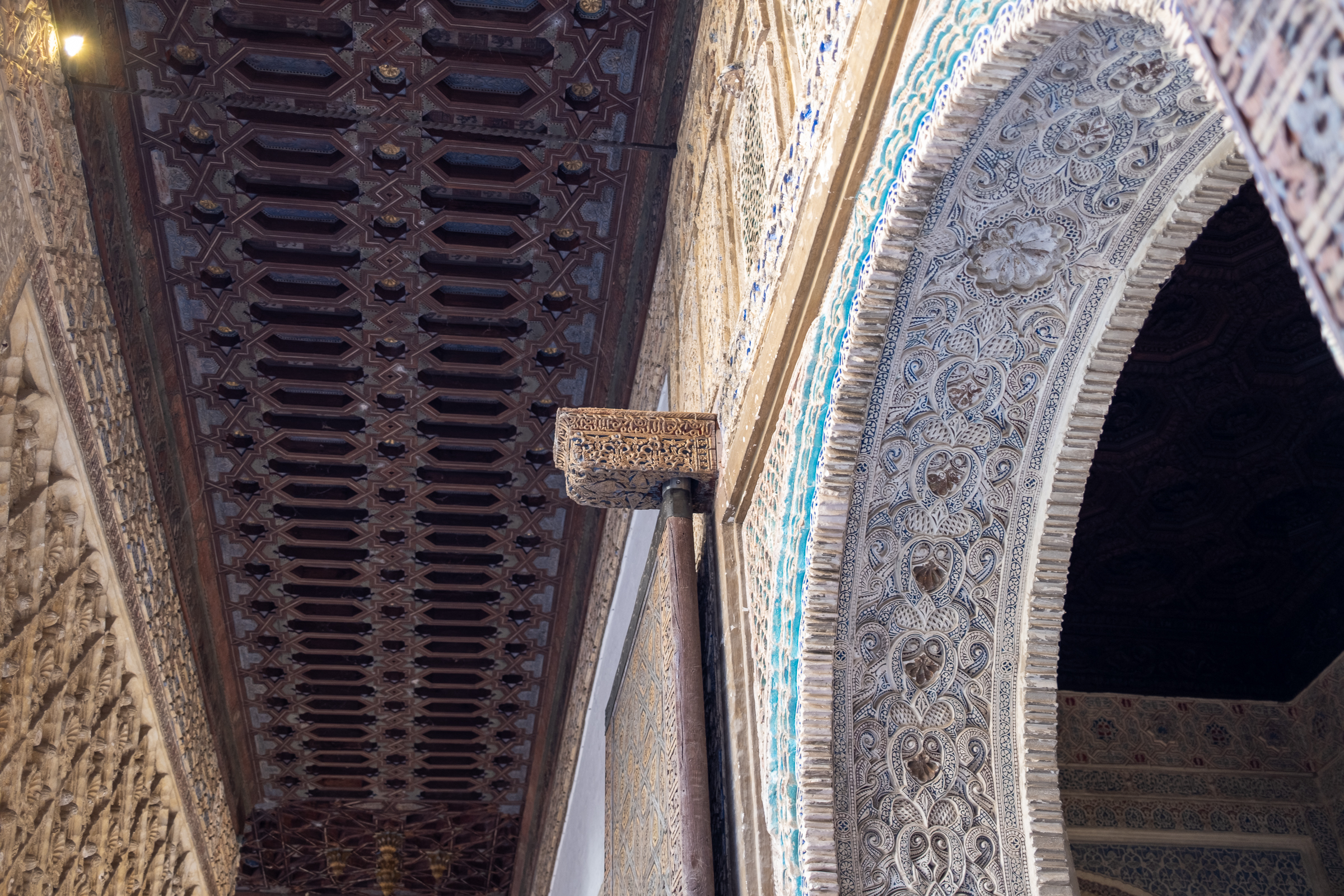
It’s impossible to follow a single historical thread. Instead, it’s best to just go with the flow. Set out on your own journey of discovery and the surprises keep coming.
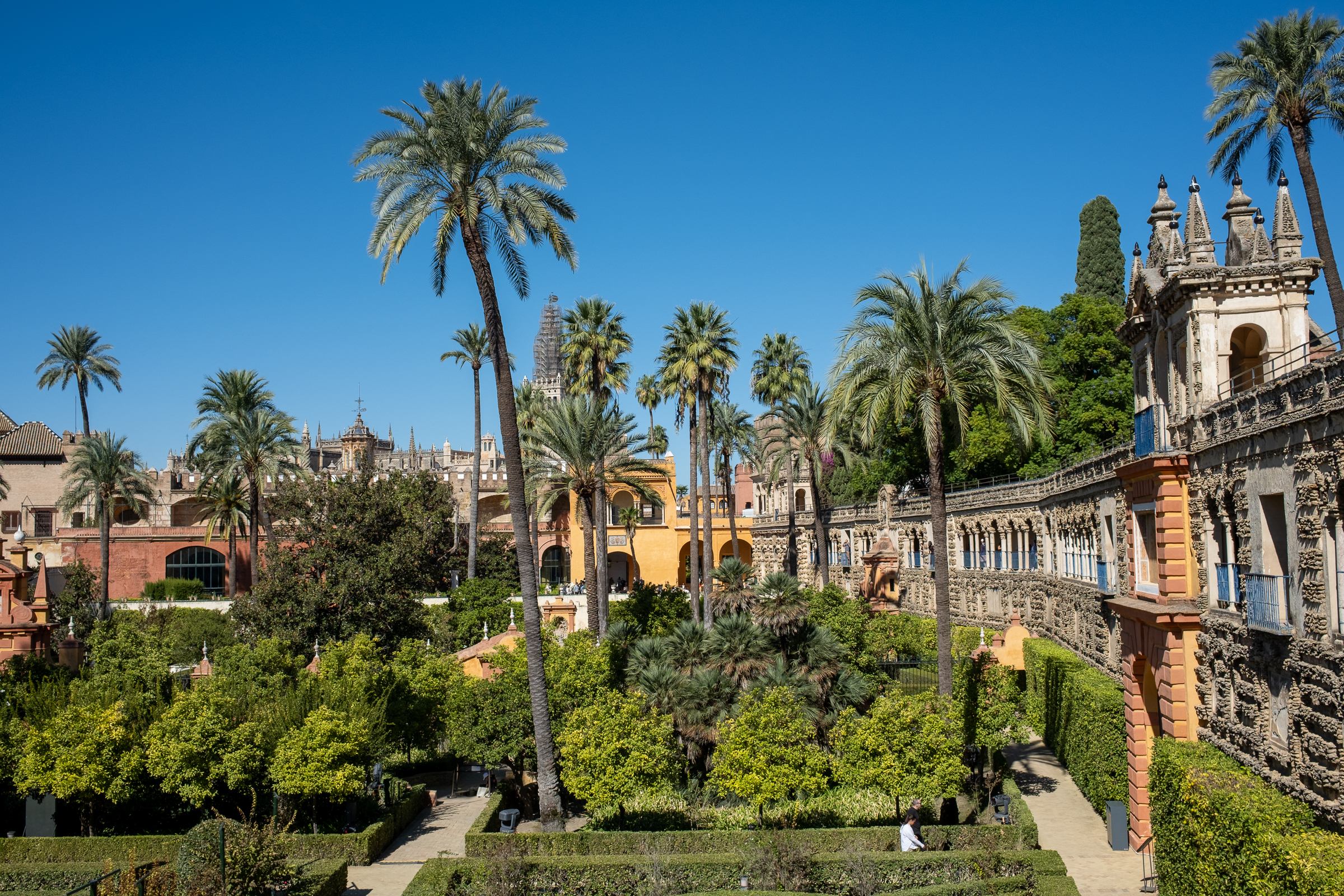
Film fans may even recognize the magnificent Salón de Embajadores, or the sprawling palace gardens from Game of Thrones.
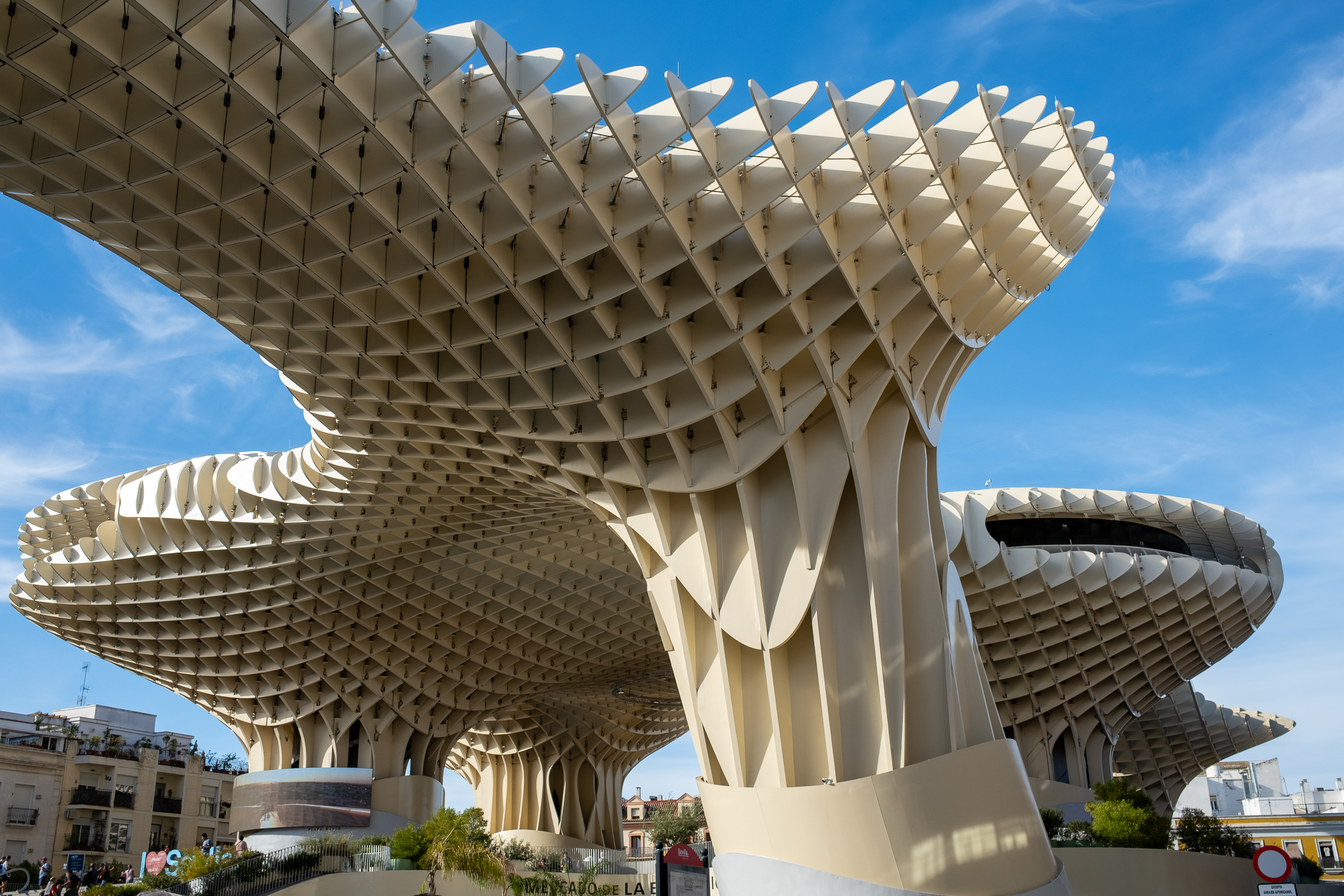
Magic Mushrooms That Provide Shade and Broaden Your Perspective
Sevilla looks forward, too. The Setas, officially the Metropol Parasol, rise over a plaza that served as little more than a parking lot after the old market was demolished in 1973. Then Roman ruins surfaced during excavation. Eventually the city chose an organic design by German architect Jürgen Mayer H.
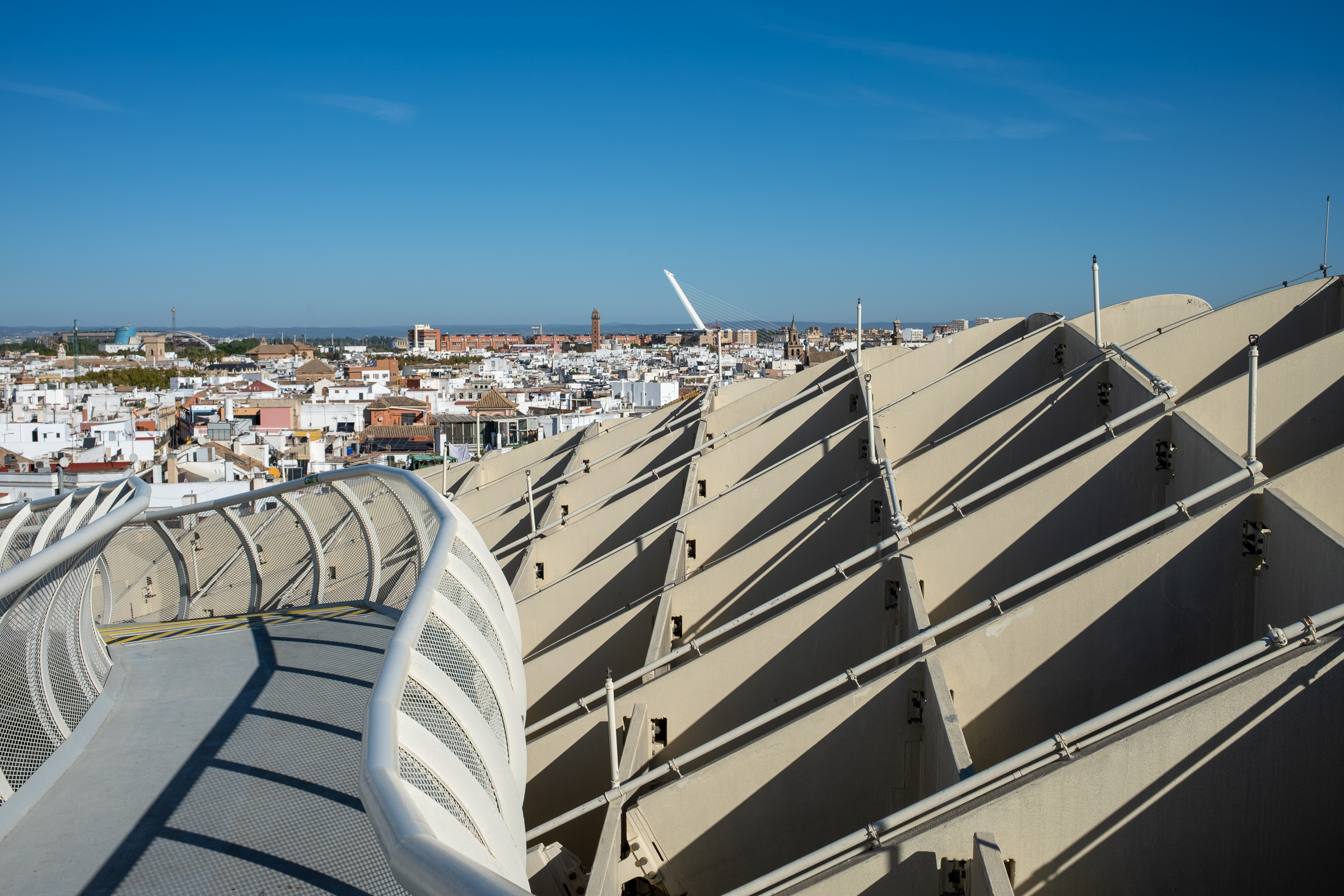
The mostly timber canopy shades the square, covers the ruins below and offers walkways and a terrace with sweeping views. Visitors often doubt that the structure is really made from wood, but nobody argues about the shade in August.
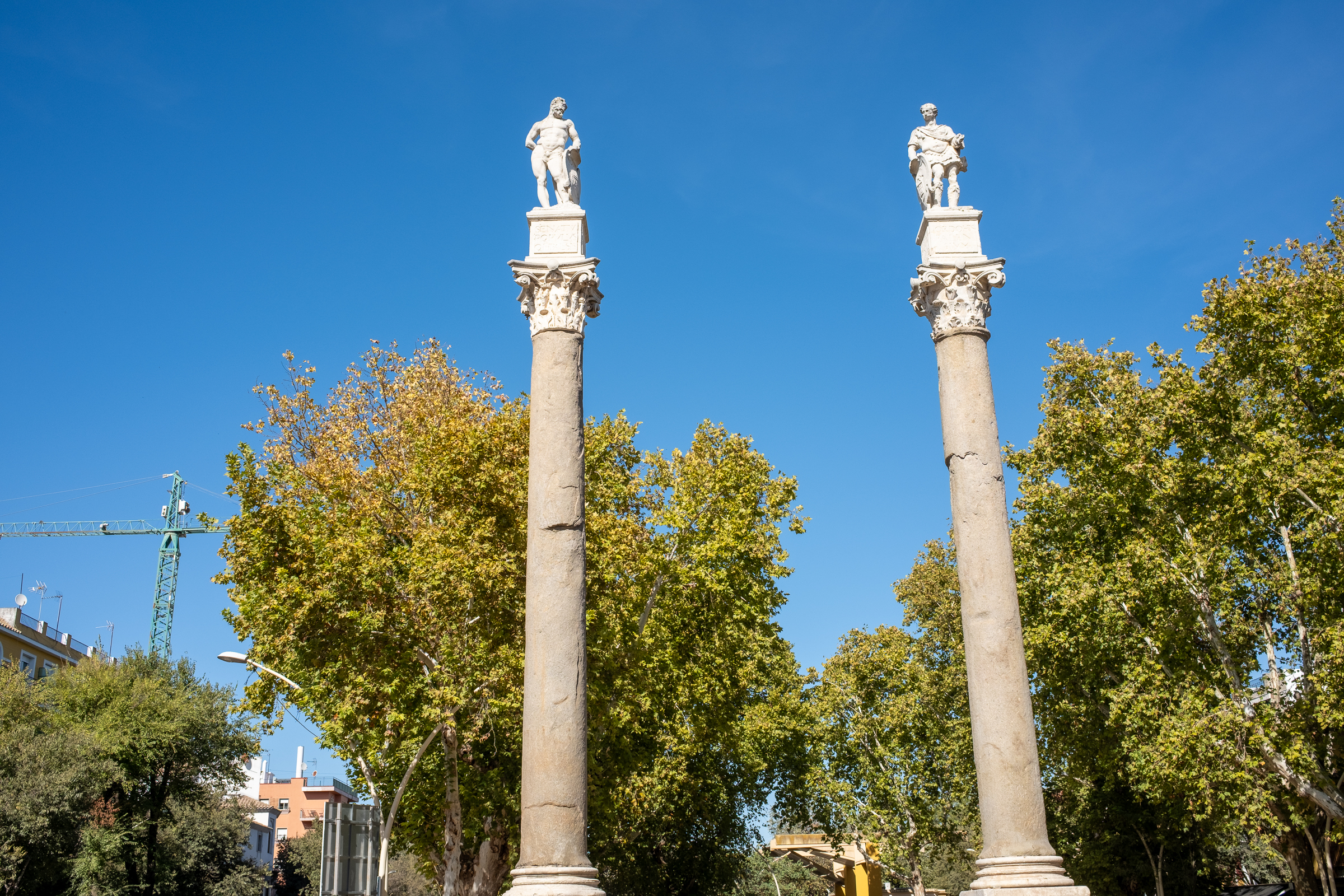
Feel the Pulse of Sevilla at La Alameda de Hércules
The oldest public garden and promenade in Spain and maybe even in Europe was inaugurated in 1574. Built on the site of a former lagoon along the Guadalquivir River, the Alameda de Hércules is the city’s bohemian heart.
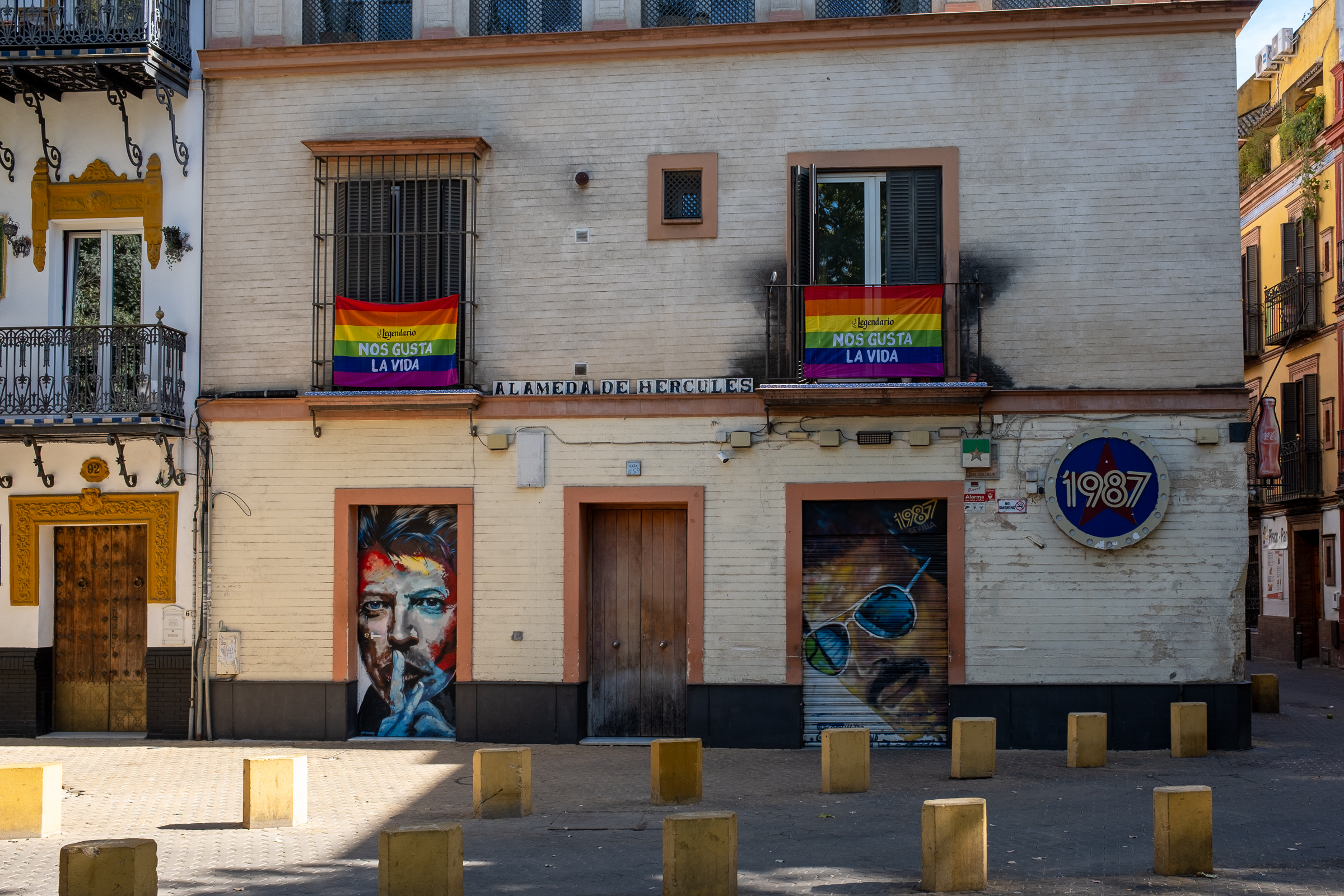
It is well known for its wide variety of outdoor cafes, tapas bars, restaurants, and nightlife venues, and it is also a hub for the LGBTQ+ community.
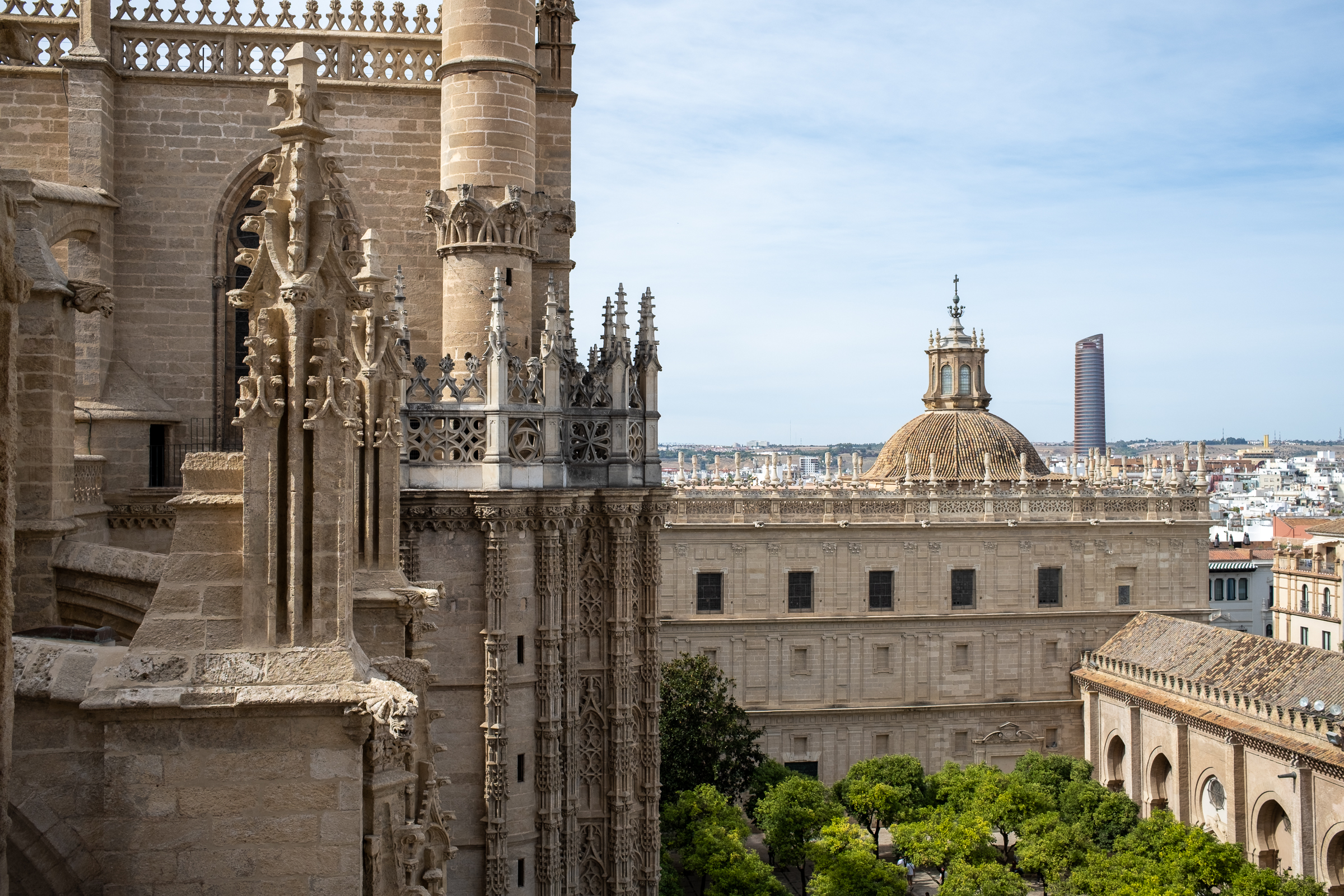
The Largest Gothic Cathedral in the World
Of course, the cathedral belongs on every list. In addition to its sheer size, it is the overwhelming opulence and the architectural and artisanal mastery that visitors find almost impossible to resist. From the intricate decoration of the ceilings to the splendor of the altars, the cathedral bears witness to the greatness of God, or to the claims of His representatives.
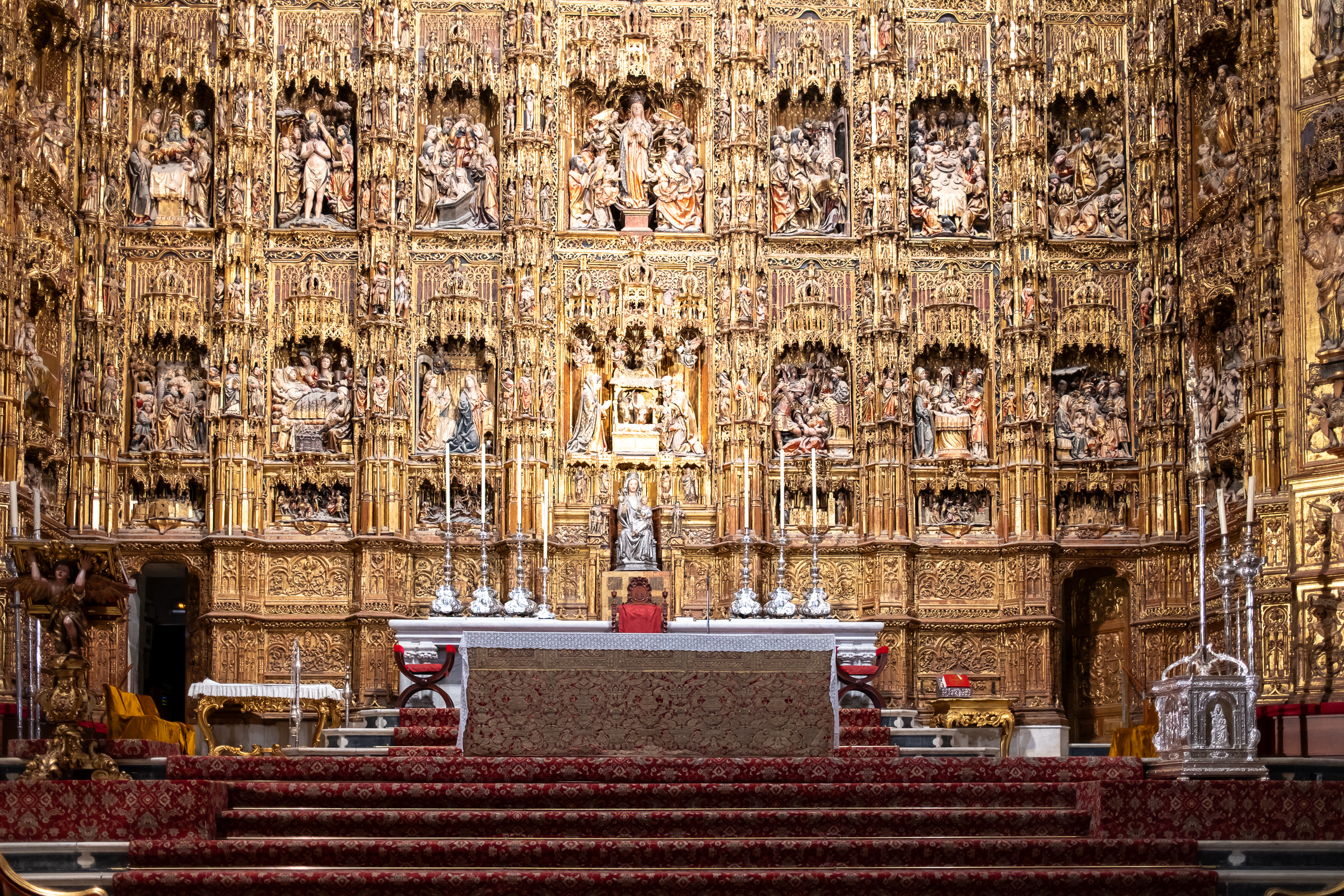
Inside, a monumental tomb holds what is believed to be the remains of Christopher Columbus. Outside, the Patio de los Naranjos offers a quiet break. Once the courtyard of the mosque that stood here before the cathedral, it is still planted with orange trees.
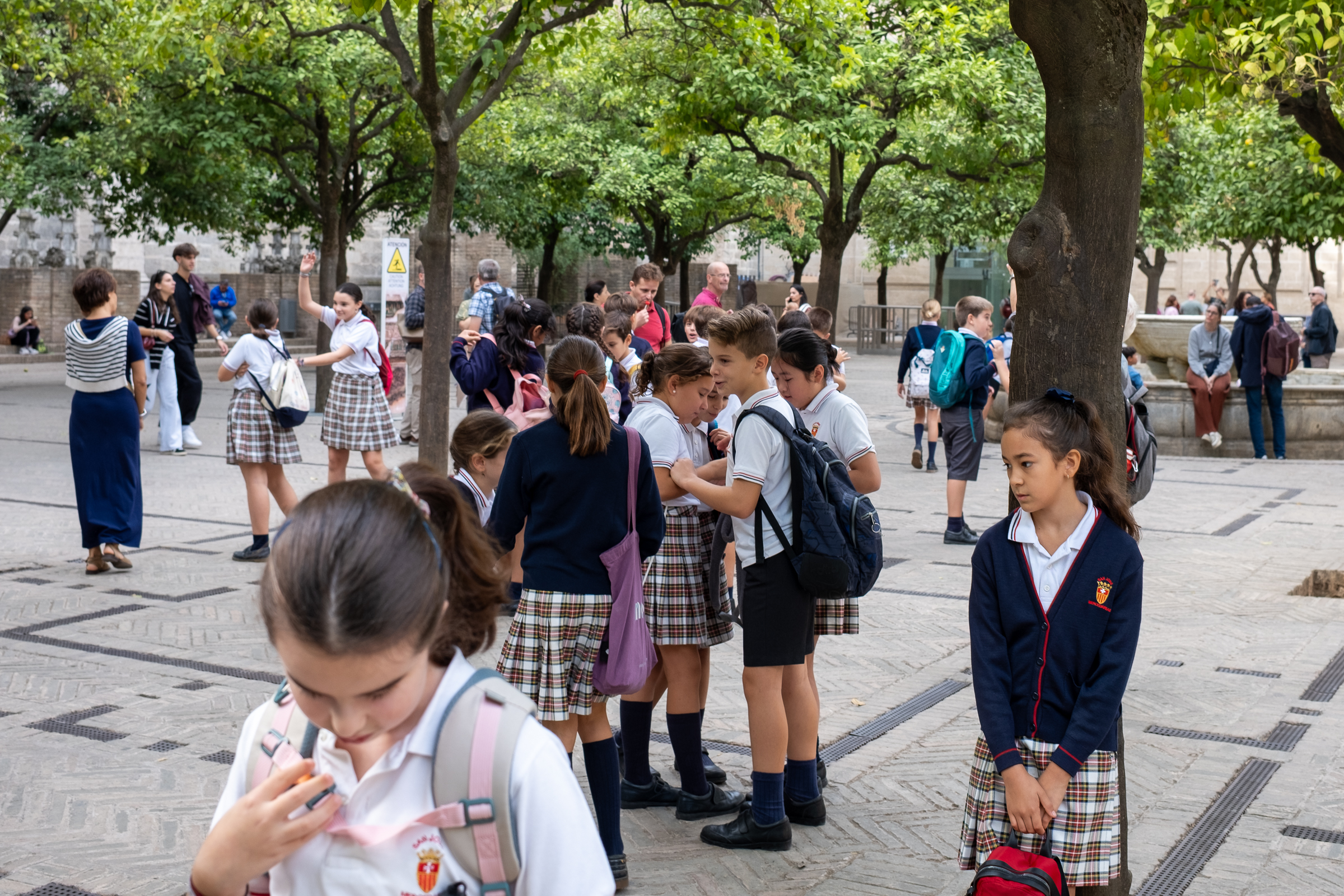
Up the Giralda Without Stairs
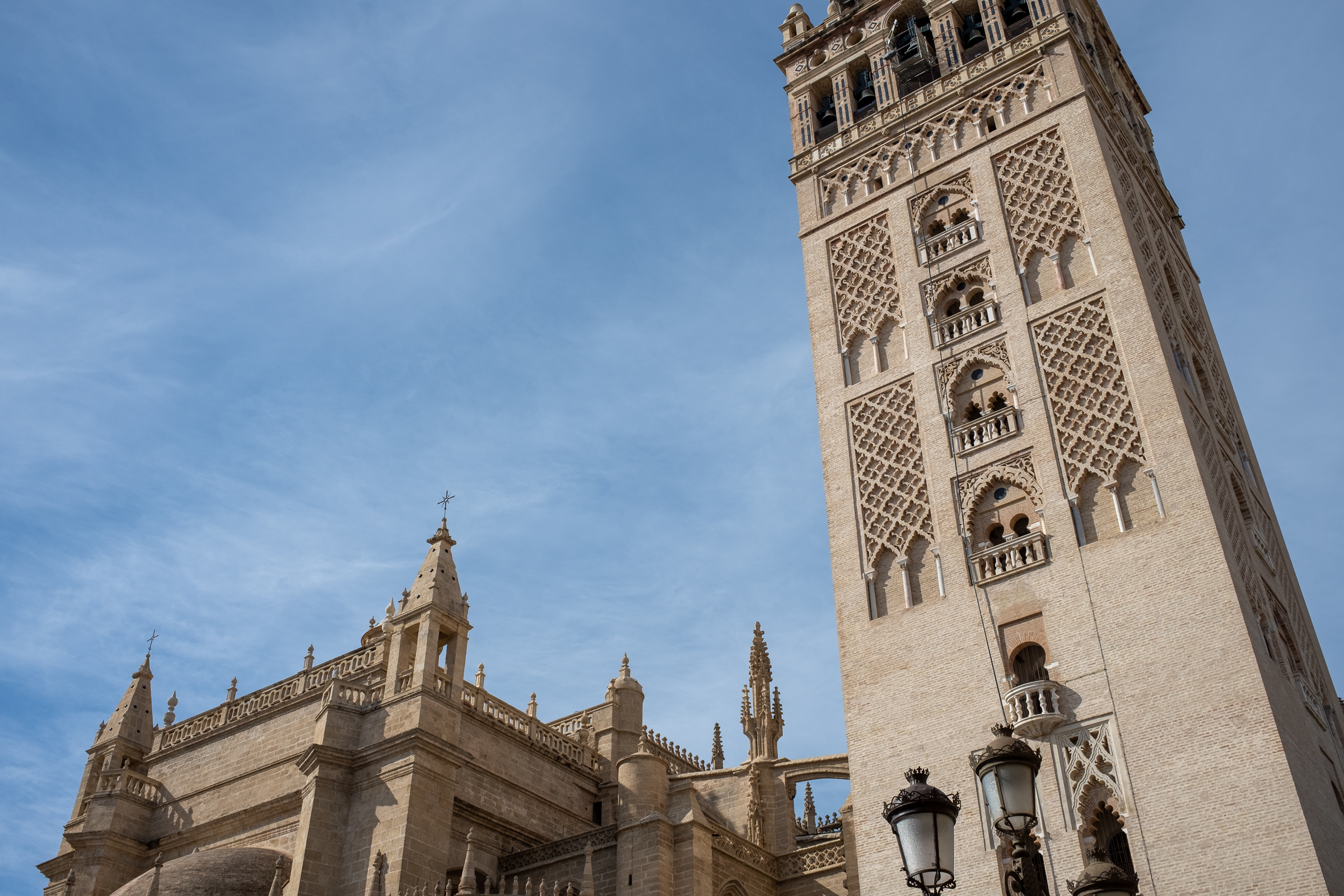
Next comes the Giralda, the bell tower that began as a minaret in the 12th century. Instead of stairs, 35 ramps wind upward, wide enough once for a rider on horseback. That sounds barrier-free, but it is not. The slope is steep, and a few steps wait near the top. Still, the reward is worth the effort.
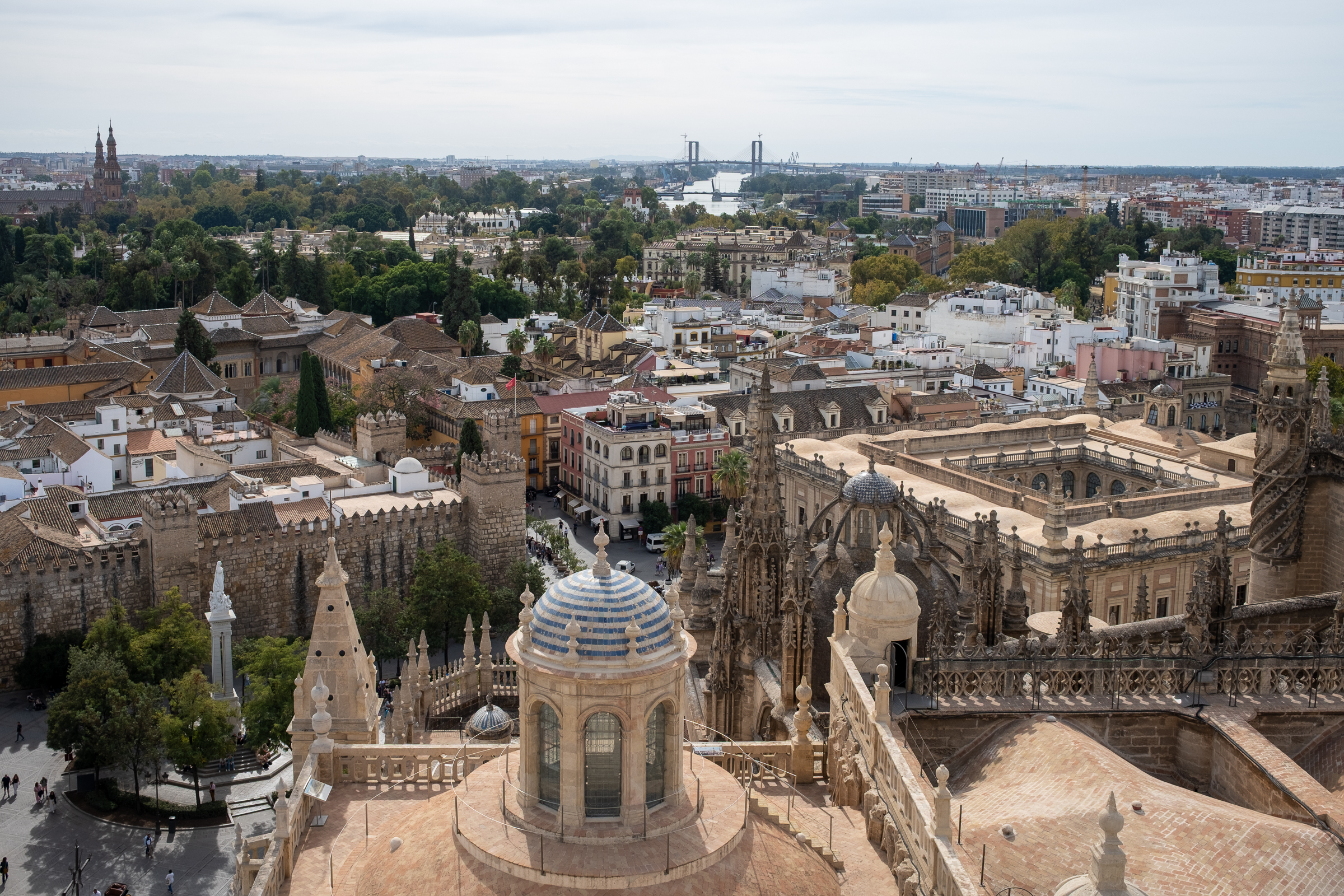
Your eyes travel over modern bridges, endless rooftops and the palatial Hotel Alfonso XIII, built for the 1929 exposition. Even if you are not a guest, you can enjoy a coffee or a drink there.
Sevilla Told at Table Level
Tapas Since 1670
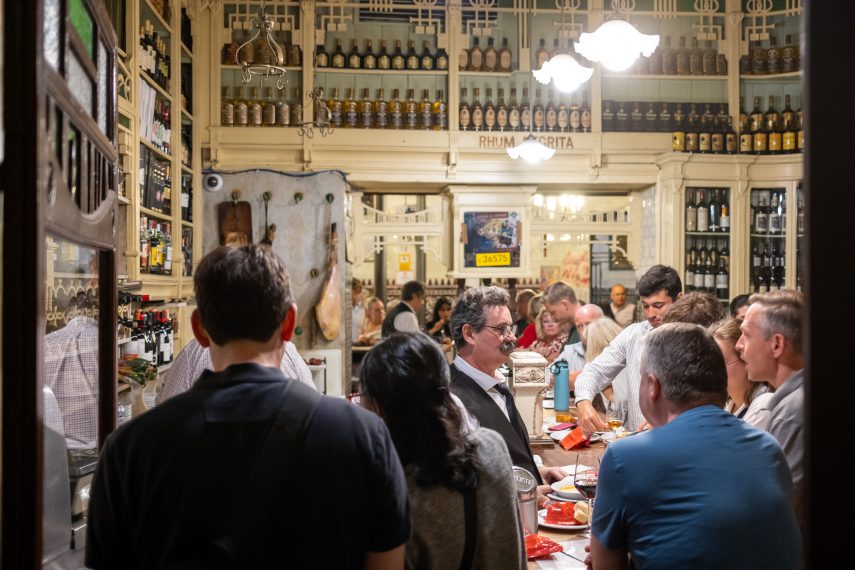
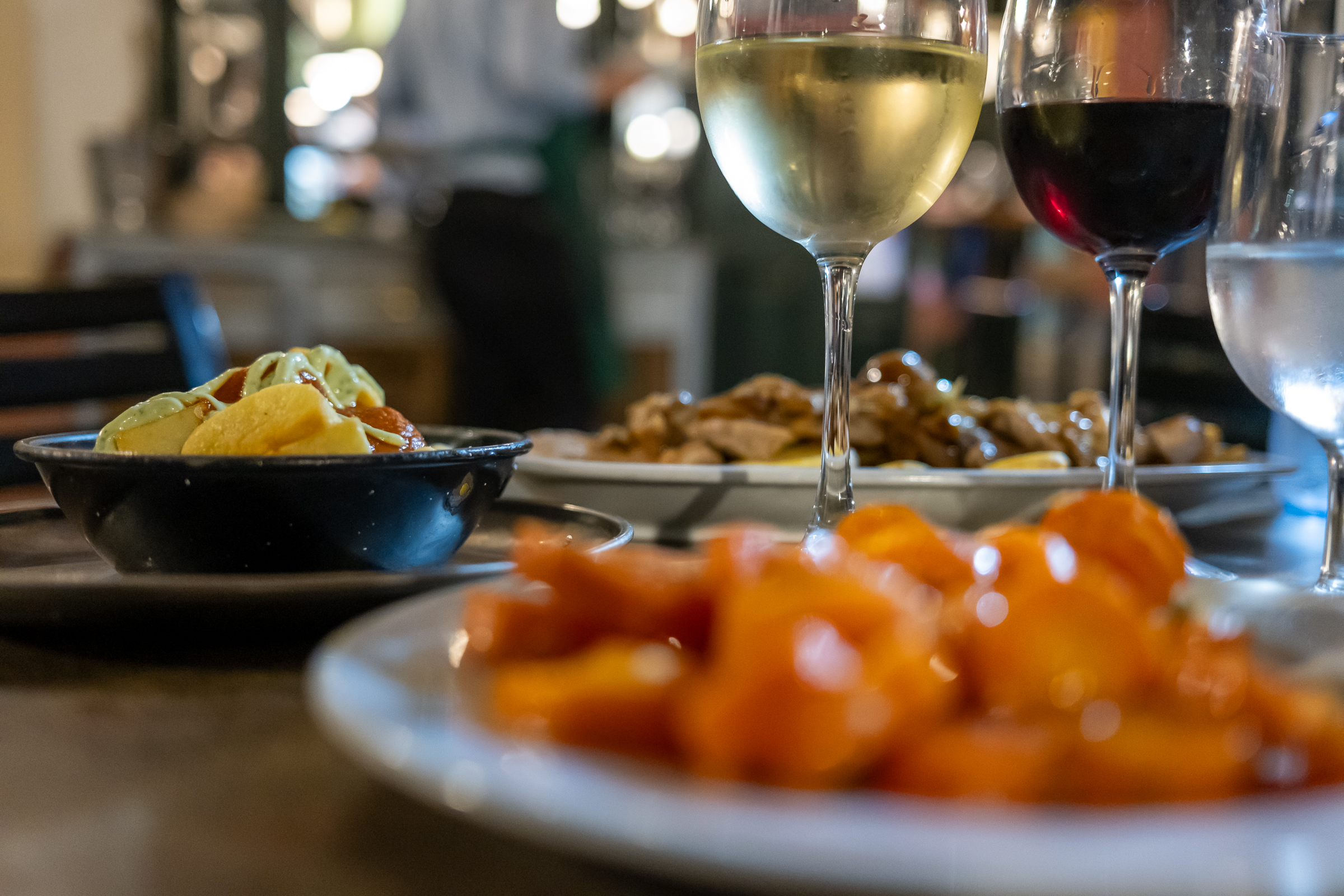
Back on the ground, hunger takes over. El Rinconcillo has served the old town since 1670, which makes it the oldest bar in the city. Even today, it’s almost impossible to get a table here at the restaurant without a reservation, but every evening people line up for tapas at the bar.
Going Out Is How Sevilla Lives
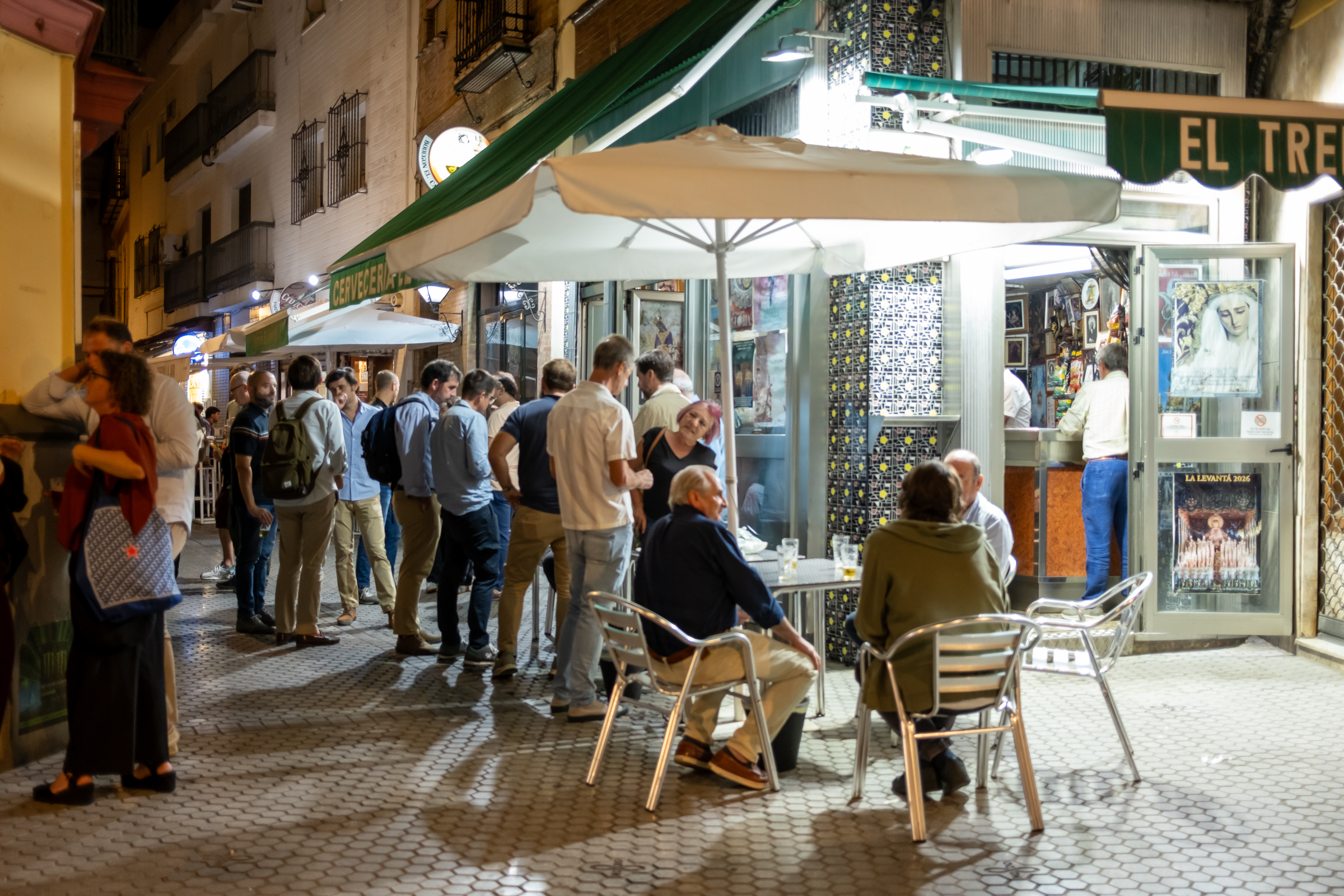
Order cod pavía, spinach with chickpeas or pork loin in whisky sauce, and the plates keep coming. Cádiz and the Atlantic lie close, so fresh seafood is never far away. Tables fill quickly and seldom stay empty, because going out is simply how Sevilla lives.
The Bar That Replaces Your Air Conditioner
Across the river in Triana, the neighborhood bar works like a shared living room. At Bar Plazeta, the regulars have a practical tip for the heat. Two freshly poured cold beers at the counter, they joke, beat the air conditioning at home and cost less than the electric bill.
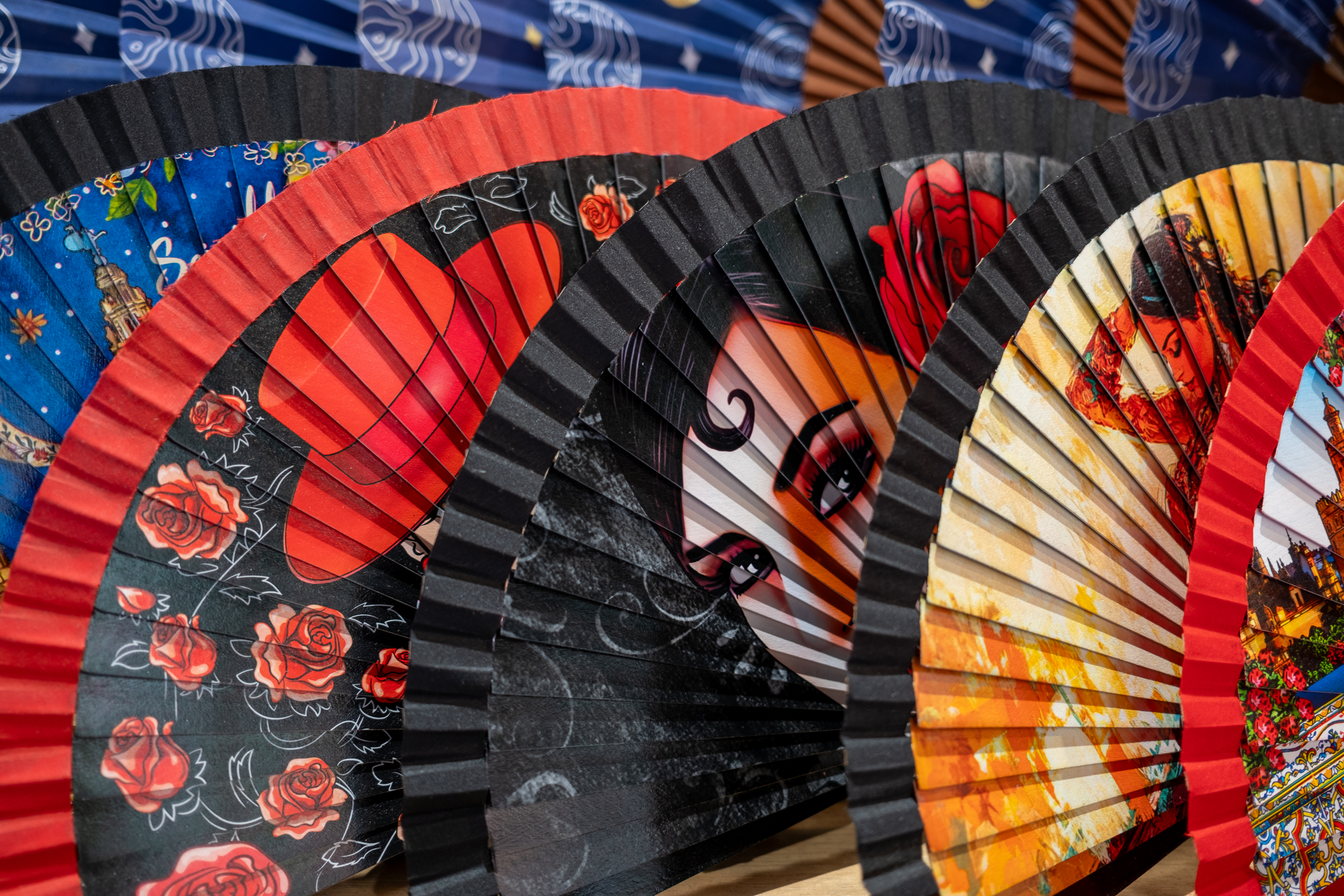
Triana is also considered one of the cradles of flamenco. Many well-known singers, dancers and guitarists grew up in these streets, and a short evening at a small tablao still brings you close to the music.
Modern Andalusian on Your Plate
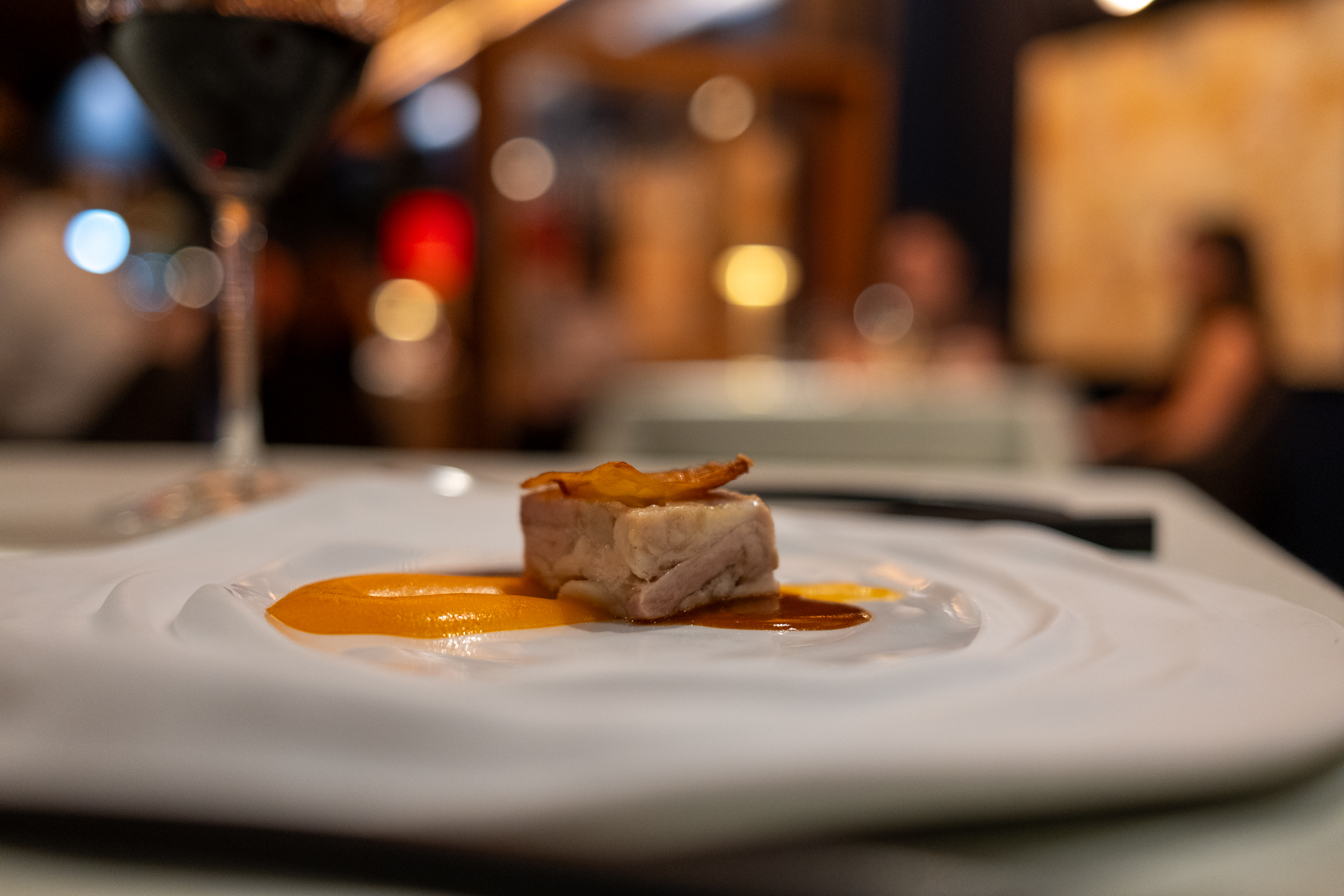
Then there is the new Andalusian cuisine. Chef Julio Fernández Quintero opened Abantal in 2004 and has held a Michelin star there for well over a decade. He cooks with local ingredients and a respect for tradition, yet he never treats it as a rulebook. Dinner here feels like a quiet answer to the happy noise of the tapas bars.
Sevilla Keeps Its Hold on You
A Plaza Built to Impress
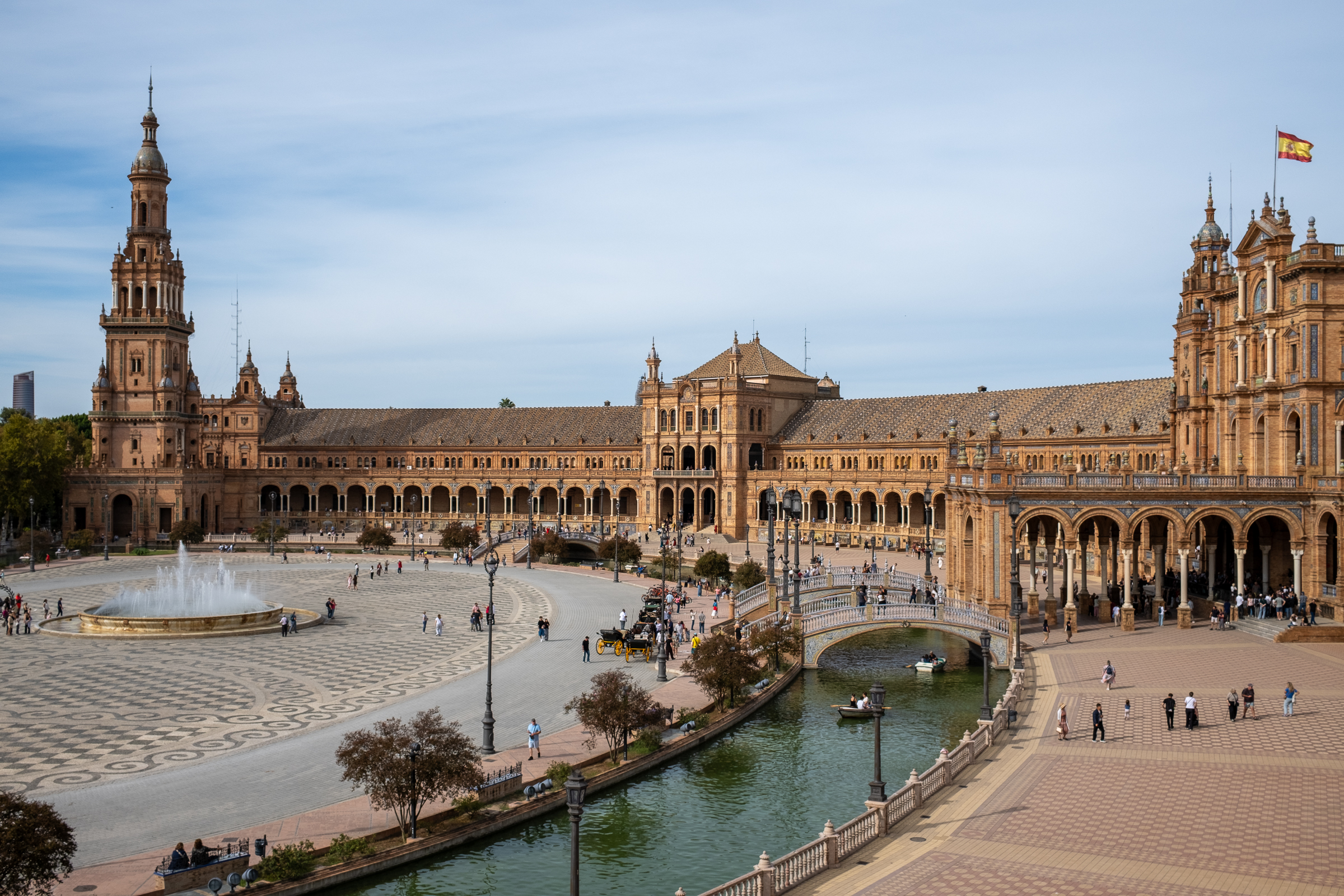
Don’t forget to take a stroll through the Parque de María Luisa. The city of Sevilla created Plaza de España for the Ibero-American Exposition of 1929, the same fair that gave Sevilla its grand hotel.
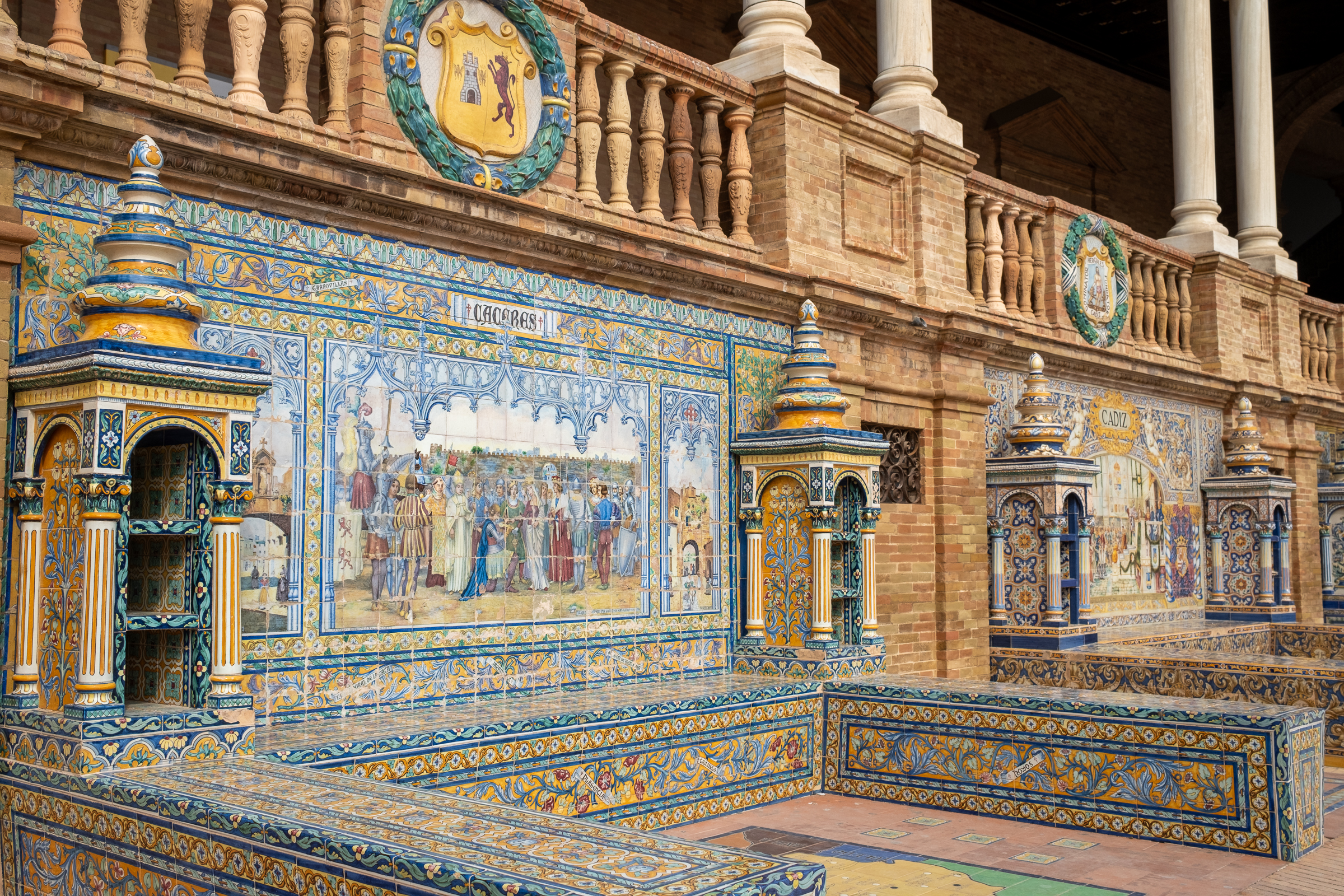
Architect Aníbal González drew a sweeping curve of brick and tile, another imposing show of power and wealth. Today, however, families rent rowboats on the canal, and the park offers shade and calm in the middle of the urban rush.
The Symbol on Every Manhole Cover
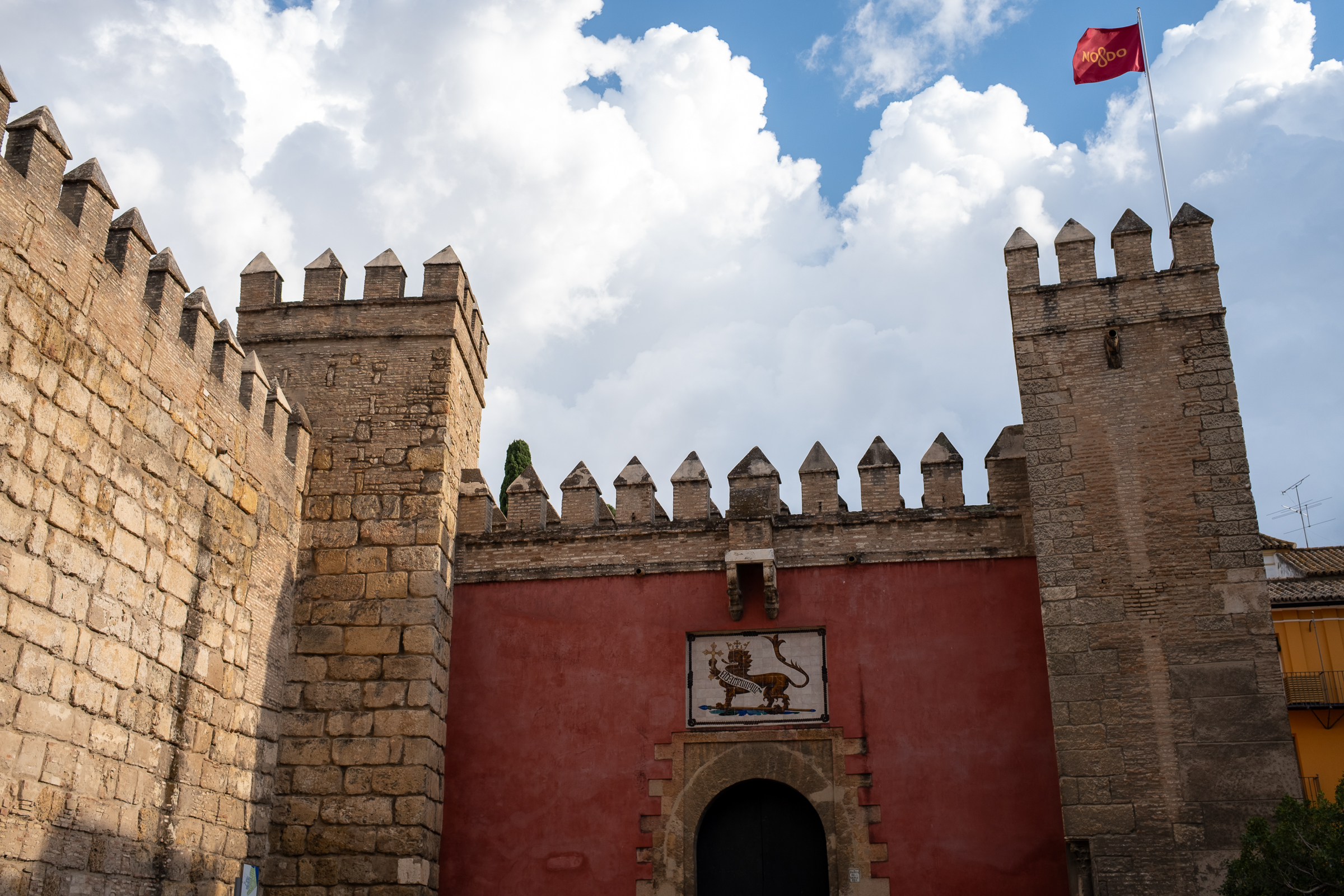
You will spot the lettering NO8DO everywhere, on buses, on the city flag and even on manhole covers. A skein of yarn, madeja in Spanish, sits between the two syllables. Read aloud, the symbol sounds like “no me ha dejado,” which means “she has not abandoned me.” According to legend, King Alfonso X coined it in the 13th century, after Sevilla stayed loyal while his son Sancho rebelled. Whether that really happened is still debated. In the end, visitors leave with the feeling that the city has not let go of them either.
Practical Tips for Your Visit
Real Alcázar, Cathedral and Giralda
Book your tickets on the official websites before you travel, because slots often sell out days in advance. Entry is timed, so arrive a few minutes early. One ticket covers both the cathedral and the Giralda. The cathedral has a dress code, so dress modestly and check its access policy beforehand.
The Setas stand on the Plaza de la Encarnación. Tickets for the viewing walkway on top are available at the entrance and online. Below the structure, the Antiquarium shows the Roman ruins found during the excavation.
Opening hours, prices and access rules change with the season, so check each official website before you go. 
More exciting getaways on the Iberian Peninsula: Read our article on Madrid, here, and about Bilbao, right here.