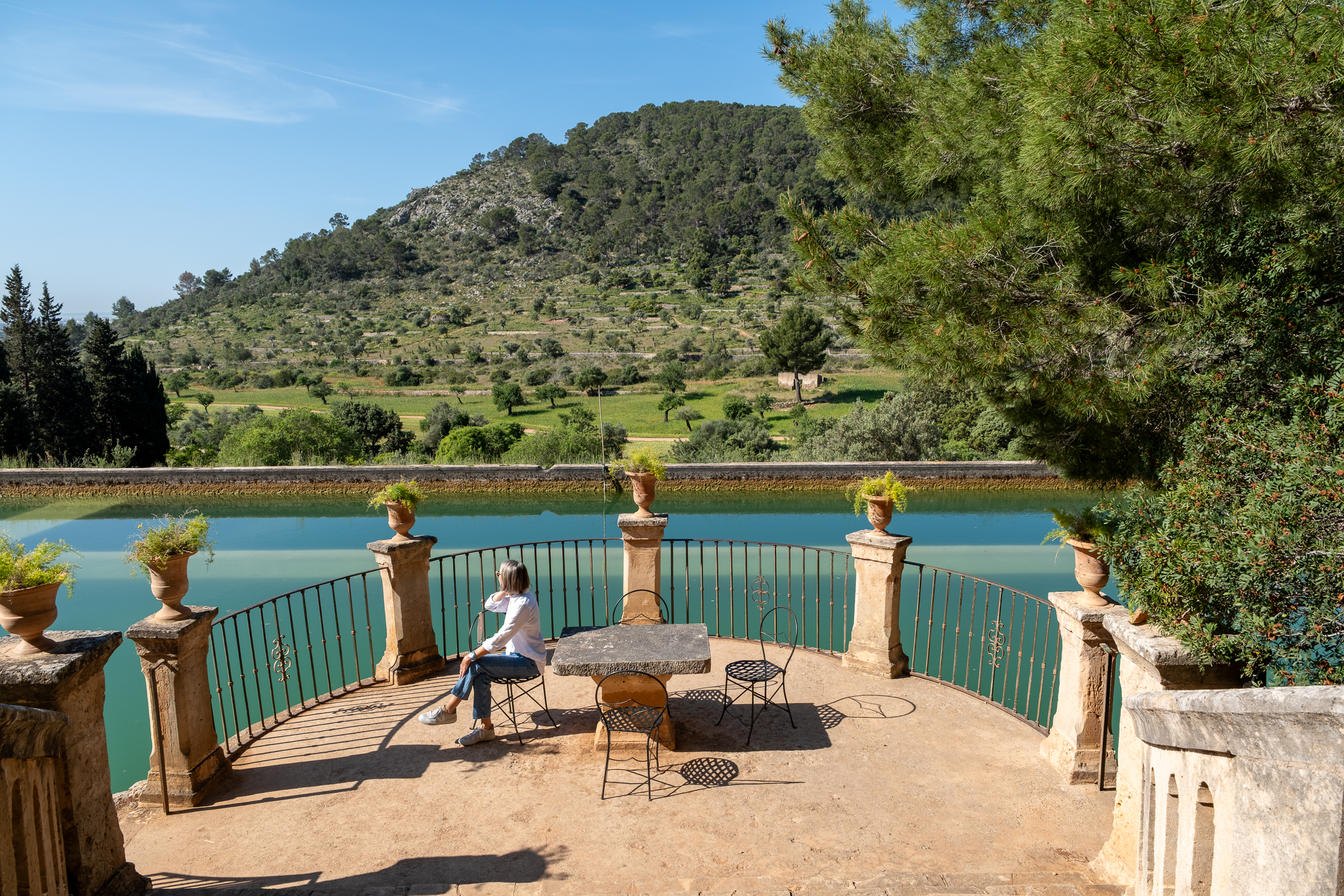
White clouds drift across a deep blue sky and mirror themselves in the still green water of a grand reflecting pond. Cypress trees stand like sentinels along stone terraces that climb, step by step, toward the mountains. And somewhere between the scent of earth, blossoms, and ancient stone, something slows down. The breath, the pace, the noise in the mind. Finca de Raixa, nestled at the foot of the Serra de Tramuntana near Bunyola, does that to visitors. It pulls them in quietly, and then it doesn’t let go. This is not merely a historic estate. It is, as the Italians would say, la gran bellezza. The great beauty.
Step Inside: The Mansion and Its Museum
A small bridge leads up to the main house. Three stone steps rise to either side of the entrance, a quiet reminder of the days when guests arrived on horseback. Inside, the inner courtyard with its stone draw-well feels unmistakably Mallorcan. Surrounding it are the characteristic spaces of a traditional possessió: the oil press, the oil store, the stables, and the estate manager’s quarters.
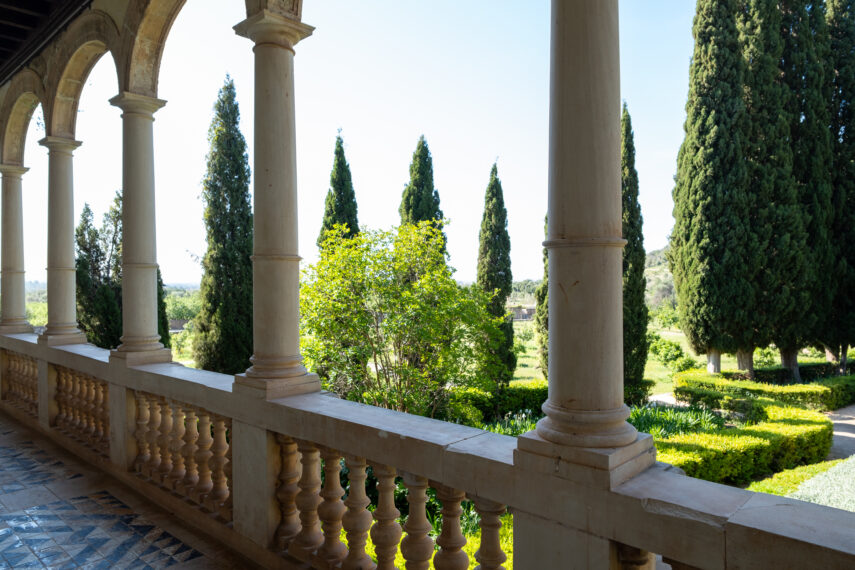
The southern gallery opens the house dramatically to the outside. From here, columns frame a terrace with sweeping views over the Bay of Palma. Intricate hydraulic tiles cover the floor beneath.
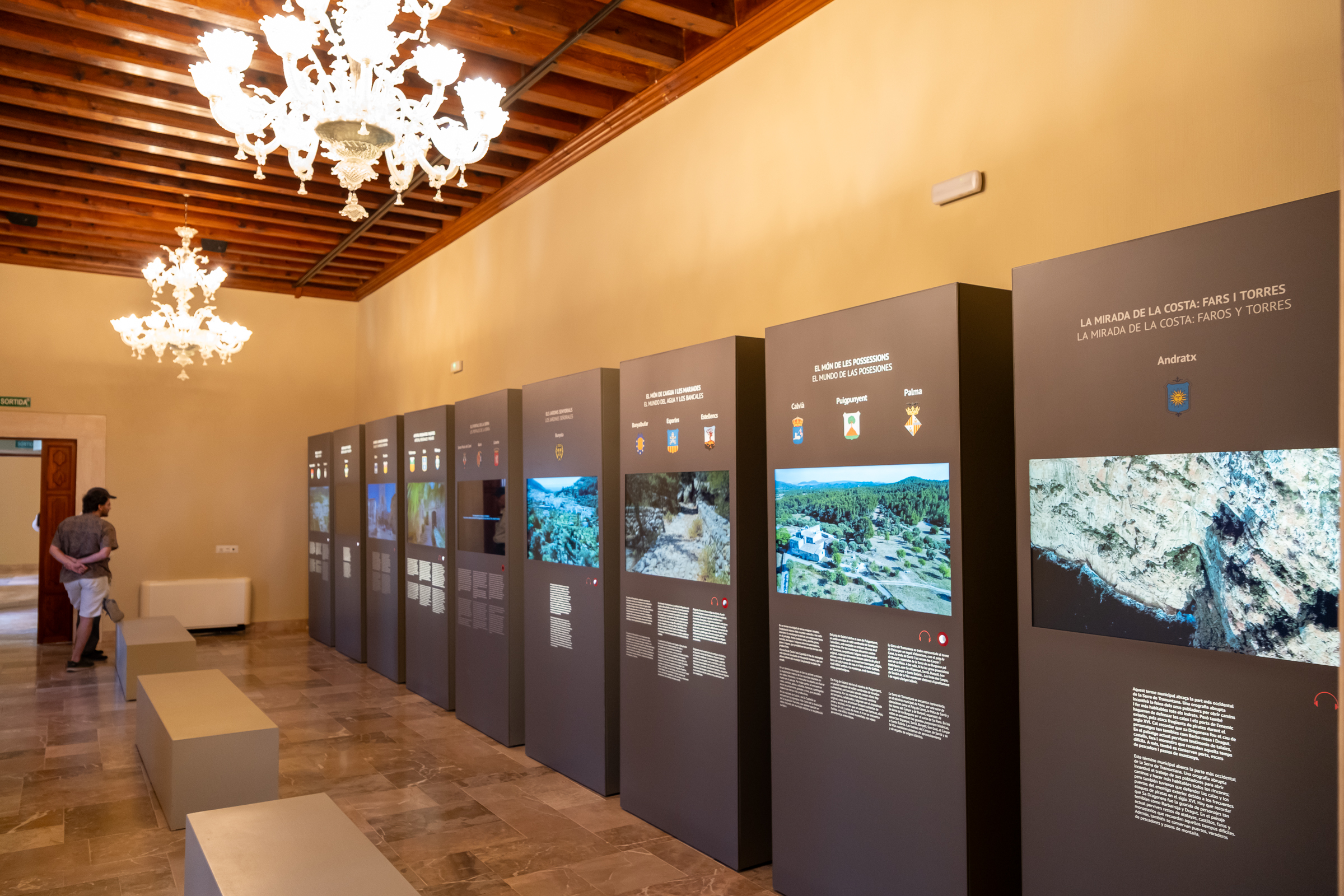
Beyond the architecture, Raixa also houses the Center Serra Tramuntana. This interactive exhibition brings the mountain range to life. Visitors discover the flora and fauna of the Tramuntana, its UNESCO World Heritage landscape, and the everyday life of its villages past and present. A particularly moving corner is the Espai Collidores, a tribute to the women who, through cold winter months and backbreaking work, helped preserve this extraordinary cultural landscape. Whether first-time visitors or returning guests, most agree that the exhibition alone is worth the trip.
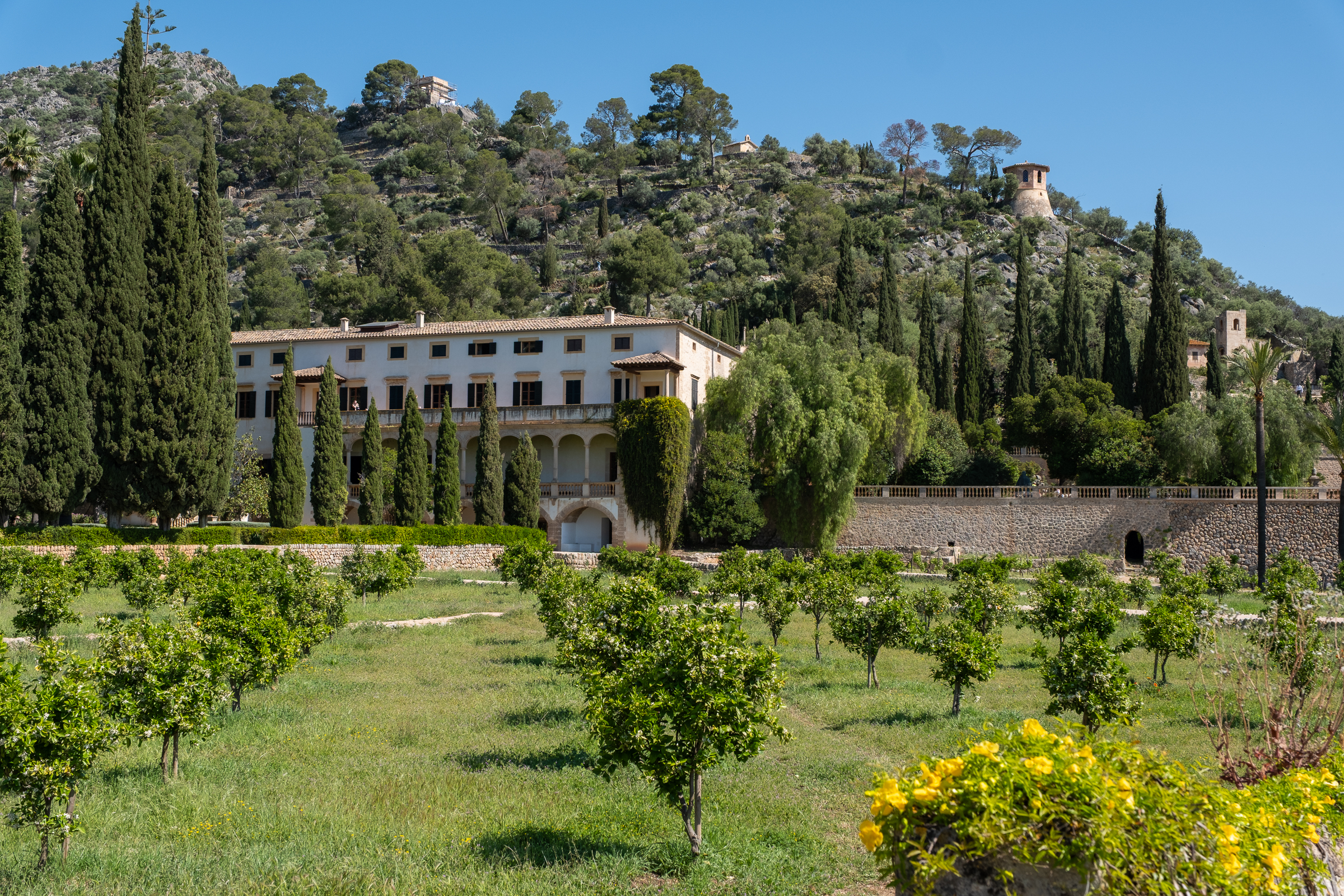
Lions, Terraces, and a View to Remember: The Gardens of Raixa
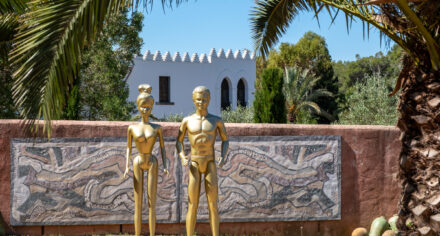
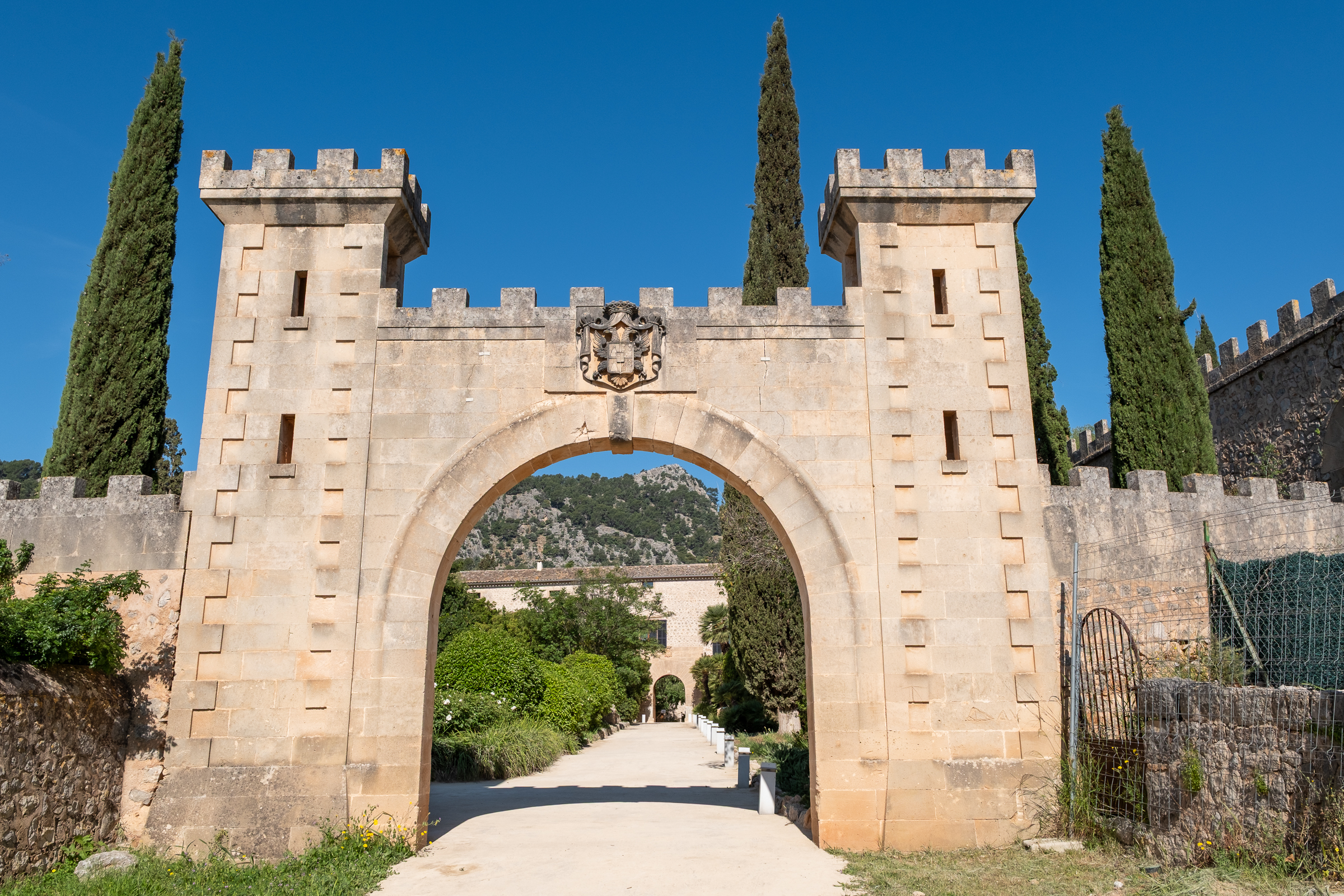
As impressive as the house is, the gardens are where Raixa truly earns its reputation. They begin at the lower level, gently. Visitors move through the vegetable garden, the Jardí dels Tarongers, the Gallery Garden with its central fountain, and the entrance garden with its small pond. The 1898 entrance gate still bears the coat of arms of Count Ramon Despuig i Fortuny, a nobleman whose story is woven into every corner of this estate.
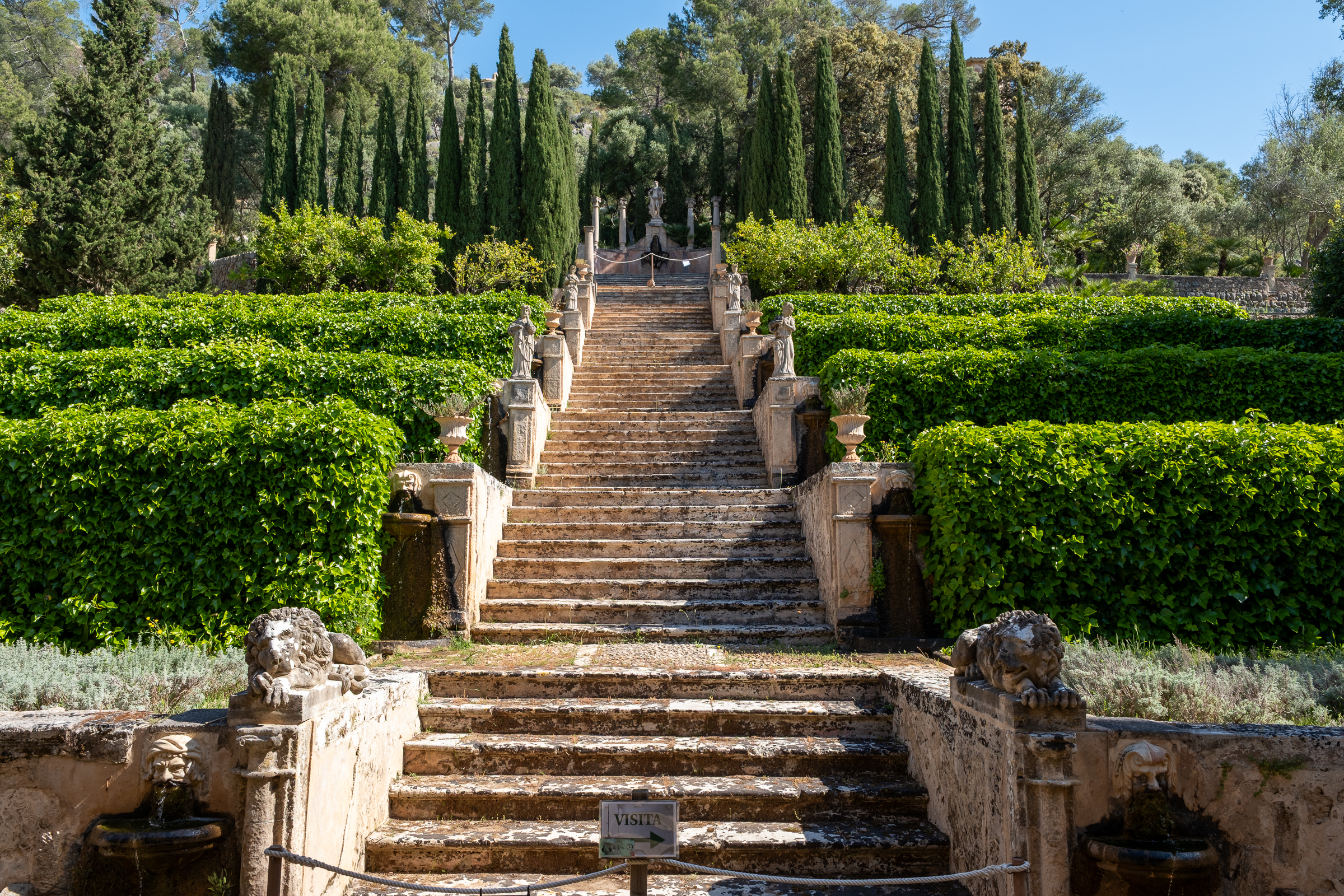
Then comes the staircase. A monumental flight of steps rises up the hillside, flanked by stone lions and classical statues dedicated to the god Apollo. It is one of the most photographed sights on Mallorca, and rightfully so. With every terrace climbed, the landscape expands further. The rooftops of the mansion appear below. The green valley stretches out. The silver blue shimmer of the bay comes into view.
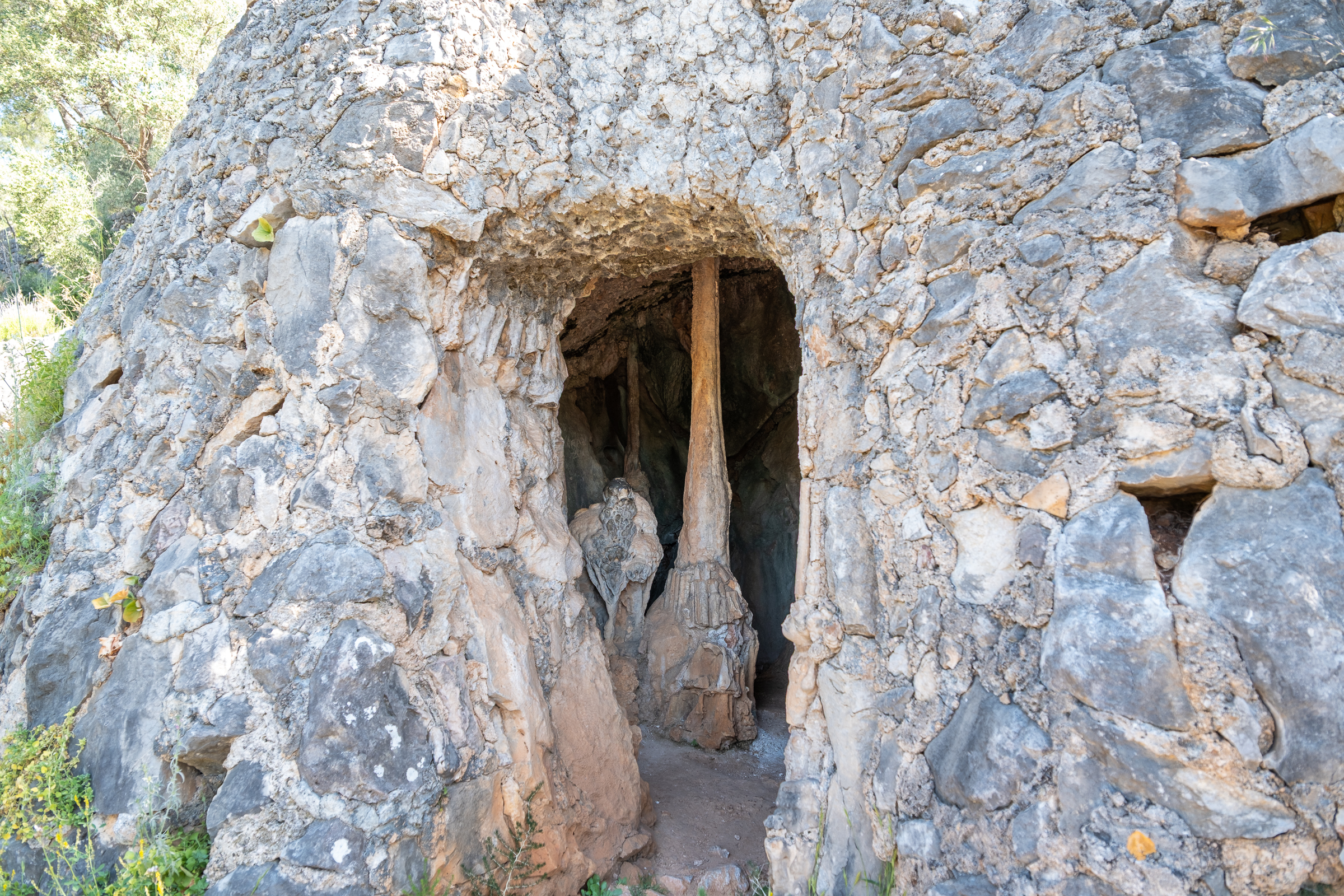
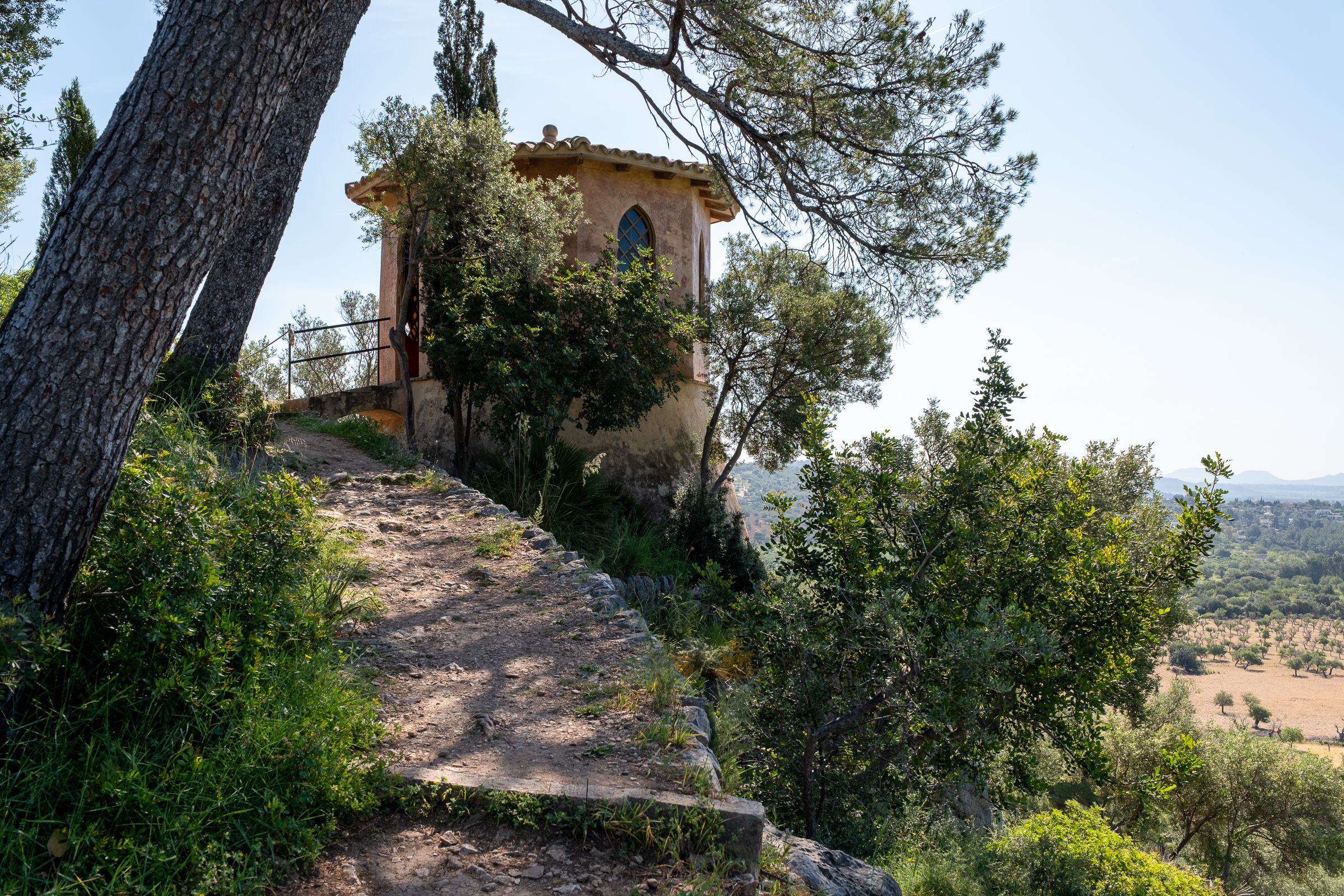
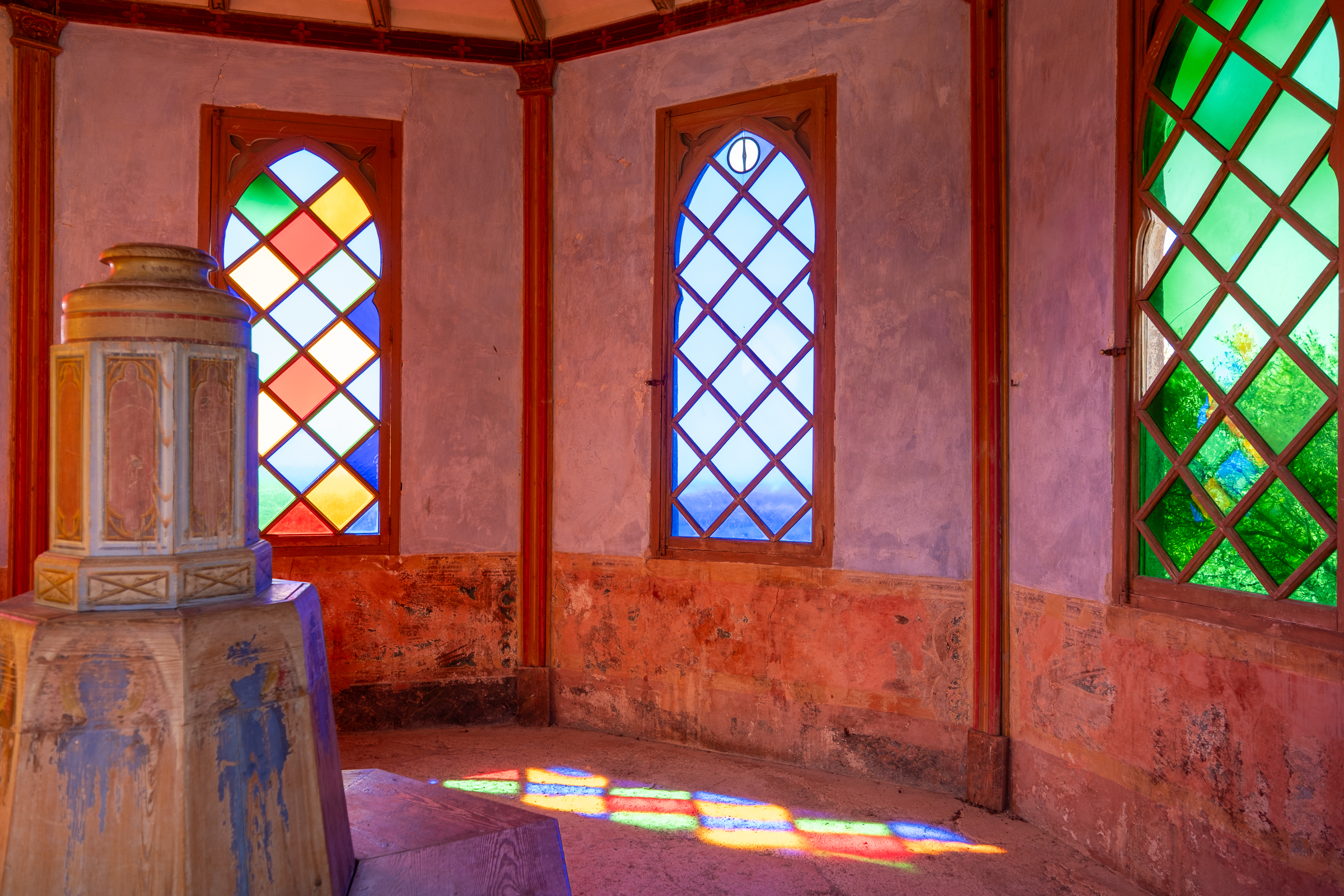
Higher still, visitors reach a great reflecting pond, a grotto, a historic pavilion, a small chapel, and finally, at the very summit, a round temple. From the paths and viewpoints at the top, the view of the house and the surrounding landscape is nothing short of spectacular.
Water Is Everything: Raixa’s Ingenious Irrigation System
That serene reflecting pond in the lower gardens is not merely decorative. It is, in fact, one of the most important elements of the entire estate. What looks like a grand swimming pool is actually the estany reial, the great cistern, stretching 98 meters long, 18 meters wide, and 7 meters deep. The original structure dates back to the mid-18th century. But it was only after water rights were secured from a spring in nearby Valldemossa that the full transformation of the gardens became possible.
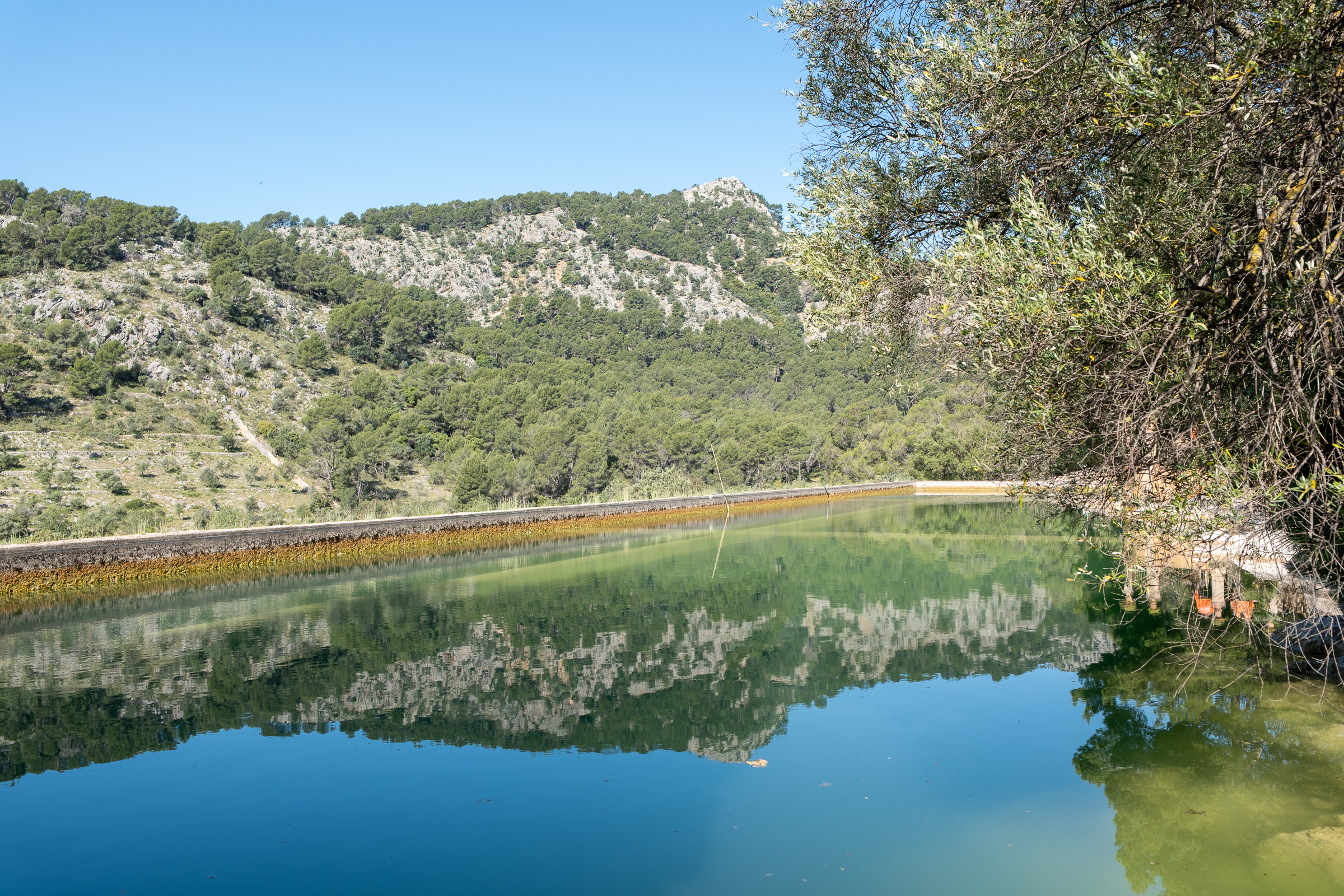
The cistern consequently made the terraced gardens viable. It turned a dry mountainside into the lush, layered landscape that visitors walk through today. Arab agricultural traditions, centuries old, form the invisible backbone of what looks, on the surface, like an Italian neoclassical pleasure garden.
Mills, Oil Presses, and Living Heritage
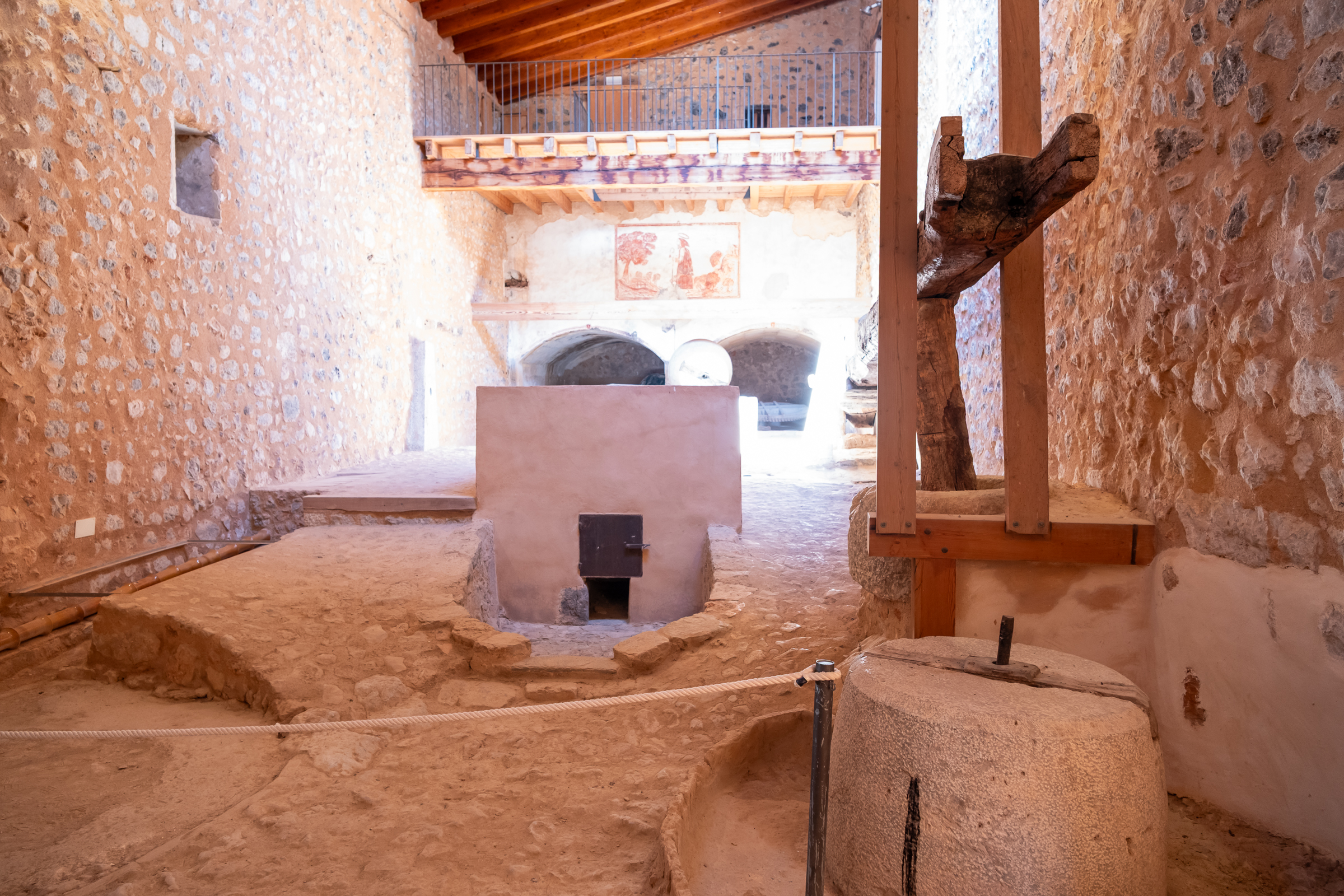
Raixa was always more than a pleasure ground. It was a working estate, and several structures speak directly to that productive past. The tafona, the traditional Mallorcan oil press, is one of the most evocative spaces on the property. It is occasionally opened to the public as part of cultural events and programming. Together with the oil store and the stables, these agricultural buildings tell the story of rural Mallorcan life across the centuries. Today, the Consell de Mallorca, which took over Raixa in 2002, also runs vocational training courses here in traditional dry-stone wall construction. Another layer of the island’s intangible heritage, kept alive and passed on.
The Cardinal, the Pope, and a Garden Left Unfinished
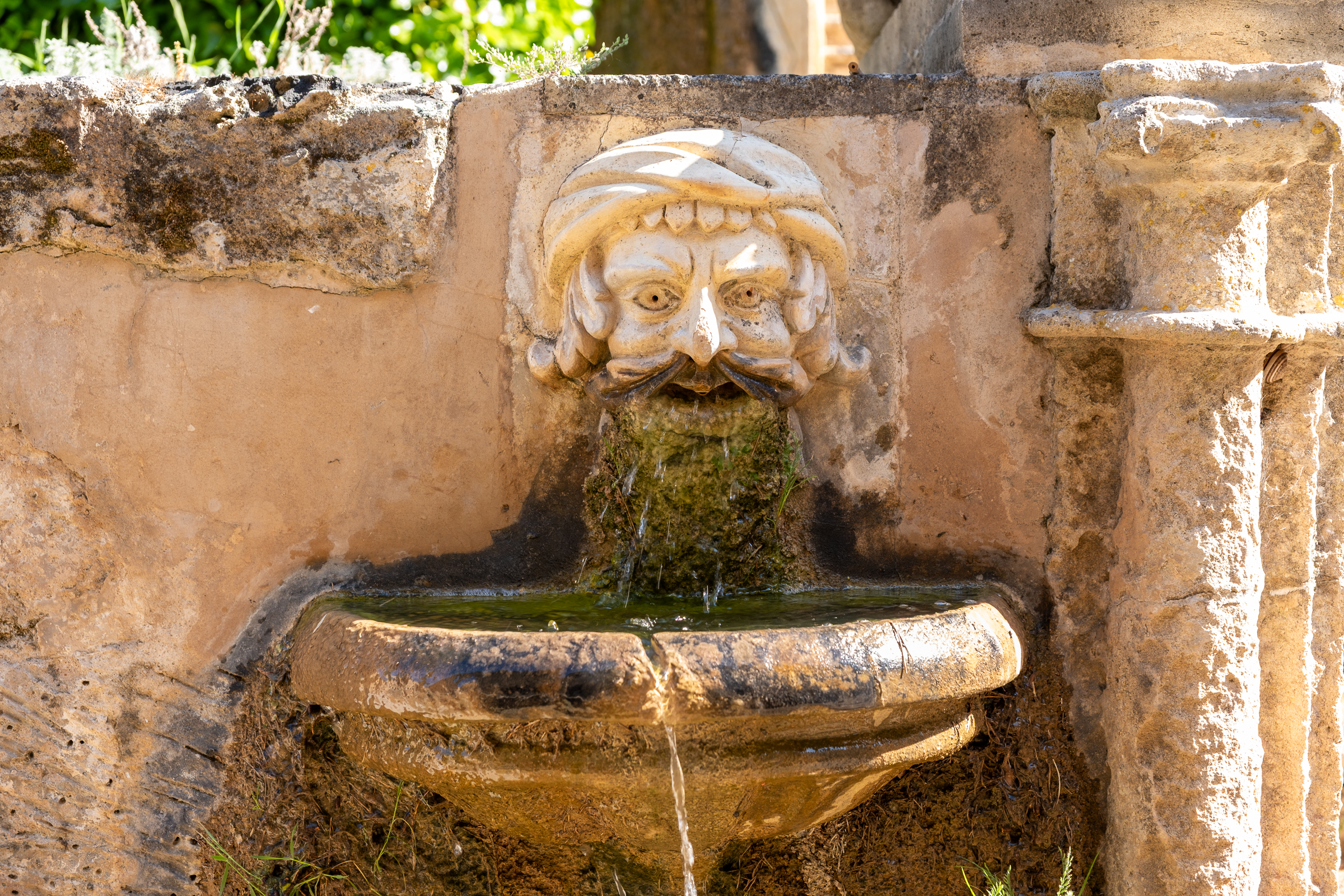
To understand what makes Raixa so layered, it helps to know a little of its story. The estate’s name traces back to an Islamic alqueria, a rural farmstead that stood here long before the Christian conquest of Mallorca in the 13th century. Over the following centuries, noble families transformed and expanded the property. The chapel vault and the portico of the inner courtyard still survive from a 16th century rebuild. Even more dramatic is a chapter from 1522, when the house was stormed and burned during a social uprising. Traces of that fire only came to light during recent restoration work, hidden behind a wall in the main hall.
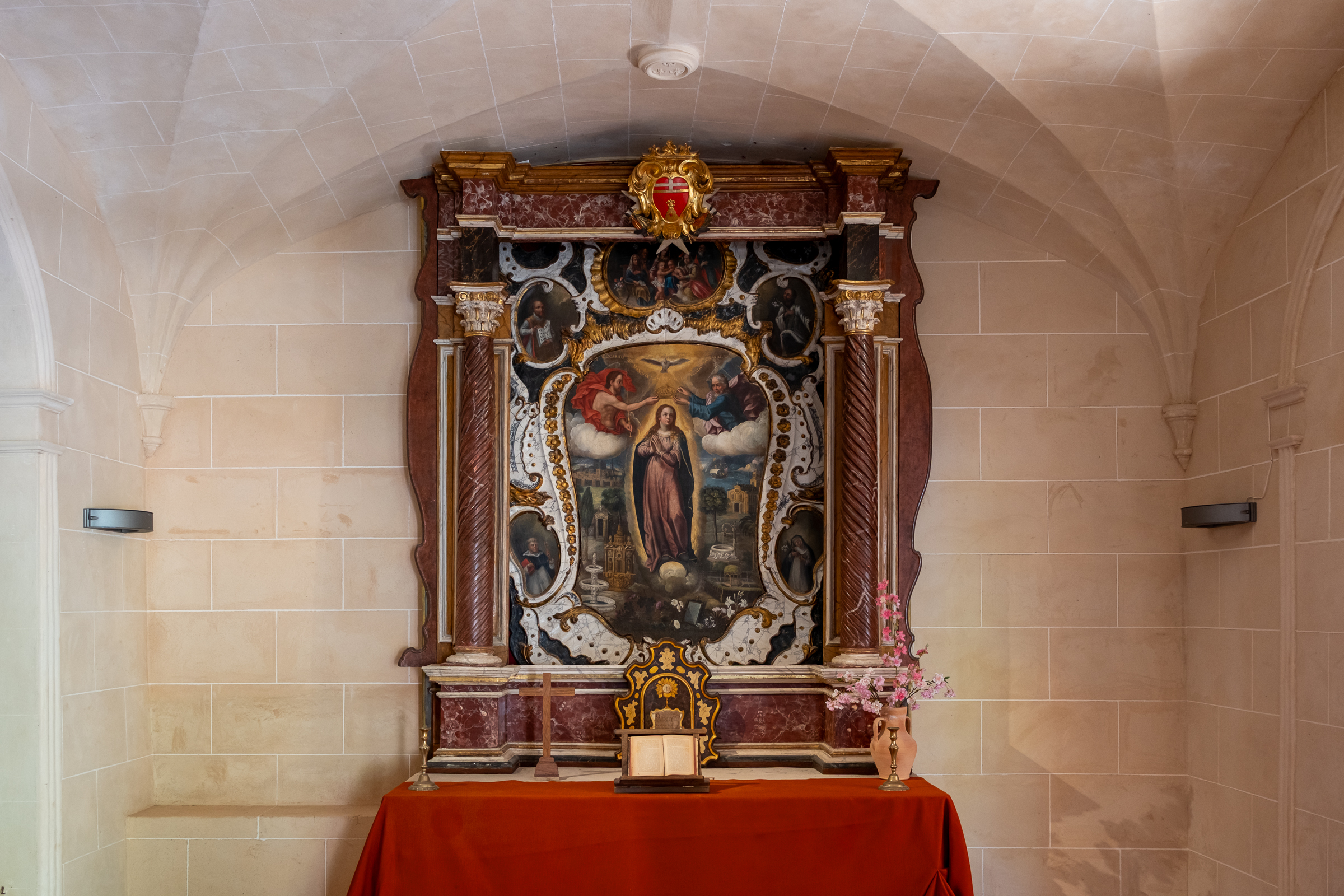
The transformation that shaped Raixa as it looks today came thanks to Cardinal Antoni Despuig i Dameto. A man of the Enlightenment, a passionate collector of classical antiquities, and one of the most remarkable figures of 18th century Mallorca. He sponsored archaeological excavations near Rome and brought sculptures and artifacts back to Raixa, creating a private museum of classical art on the estate. In 1806 he commissioned a sweeping renovation. But just a year later, he left for Italy to accompany Pope Pius VII, who was being pursued by Napoleon. He never returned to Mallorca. He died in Lucca, Tuscany, in 1813. His nephews carried the project forward in his absence. Today, part of his remarkable sculpture collection is on display at Bellver Castle in Palma.
Practical Information
Carretera Ma-11 de Palma a Sóller, km 12,2
07110 Bunyola
website
Several TIB bus lines stop right at the turnoff for Finca Raixa. For timetables, routes and journey planning, visit the official TIB websites: TIB Trains and TIB Route Planner
Open Tuesday to Saturday, 10:00 to 15:00. Closed Mondays, Sundays, and public holidays. Groups of more than 15 people should book in advance by phone or email. Guided visits are available year-round. Admission is free. 
Read more about the gardens on Mallorca, here.