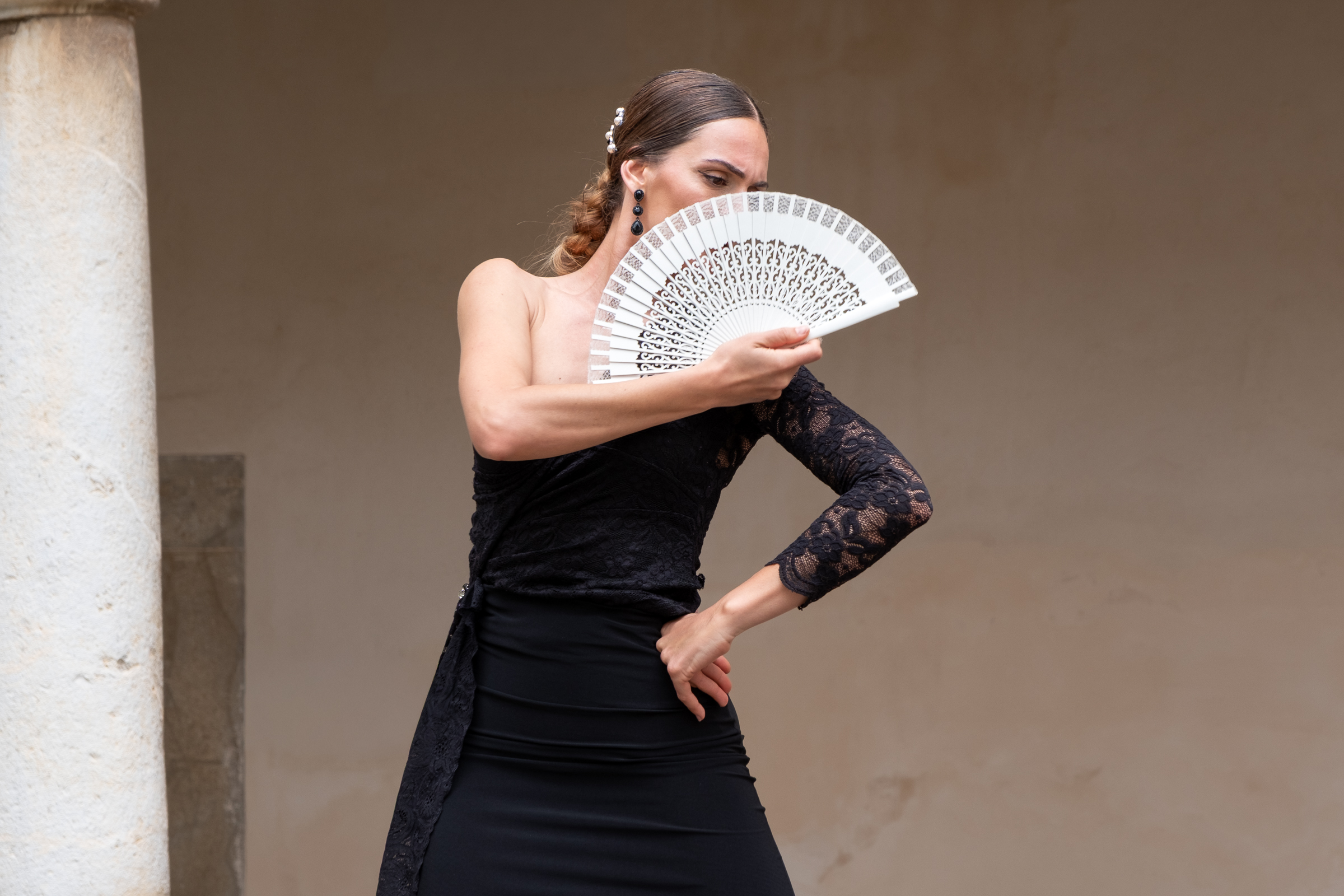
Her gaze drifts somewhere past the horizon, chin lifted, spine straight, utterly sure of herself. The fan in her hand does something subtle, something almost theatrical. For centuries, people have puzzled over what that small gesture actually meant. Stories abound about a secret code, one where a flick of the wrist or a particular angle supposedly carried a hidden message between lovers, rivals, or strangers across a crowded room.

This summer, that gesture suddenly feels familiar again. As heatwaves roll across Europe and beyond, the fan has staged an unexpected comeback. What once seemed like a charming relic has become part of everyday life again, reminding us that staying cool can be as much about attitude as it is about temperature.
A Silent Code
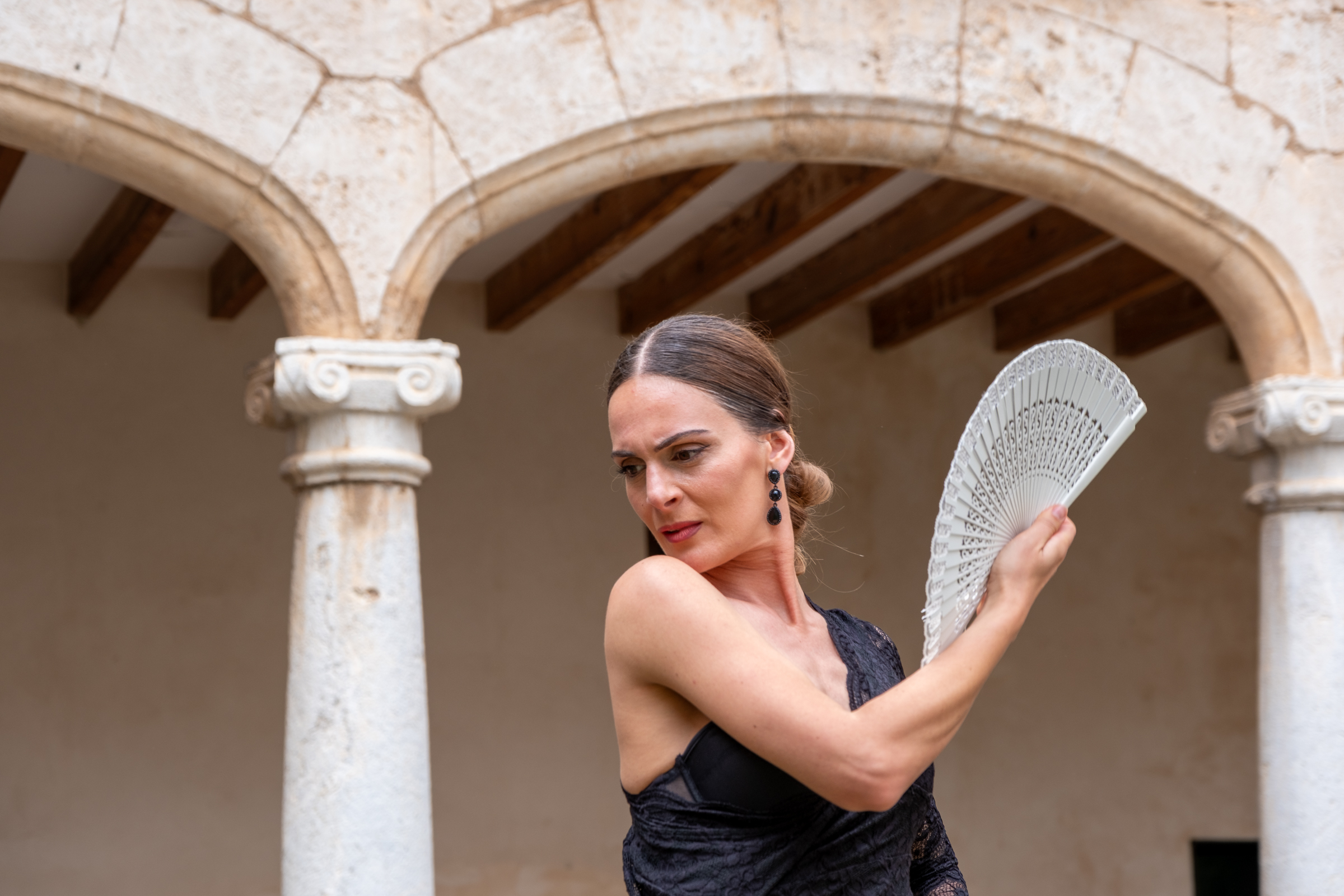
Back in the eighteenth and nineteenth centuries, plenty of direct conversation was simply off limits, especially for women moving through high society. So they improvised. A fan became a stand in for the words polite company would never allow. Whether the code was ever as precise as legend claims remains up for debate, yet the mystery surrounding it still captivates us today. Flamenco leans hard into that mystique, using the fan to narrate entire stories of longing, pride, and heartbreak without a single spoken line.
Suddenly Everybody Has a Fan in Hand
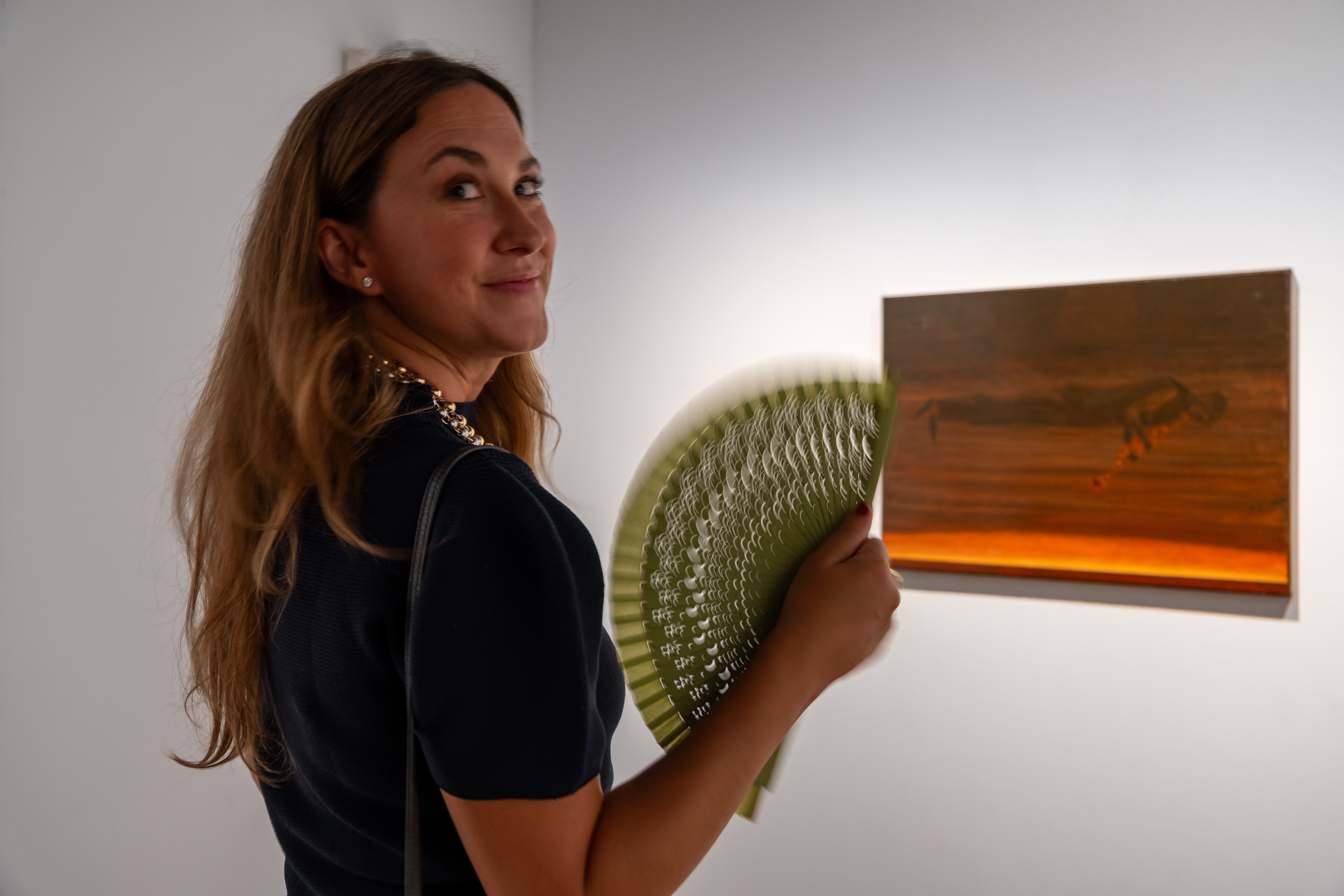
Not much of that old code survives in daily life anymore, but something else has taken its place. Fans are everywhere this summer. You spot them on sidewalks, tucked into handbags at cafés, snapping open mid movie, waving gently at outdoor concerts. Men and women alike are reaching for them, and honestly, who can blame them. A quick flutter of air makes brutal heat almost bearable, and somewhere along the way fans became less of a prop and more of a necessity.
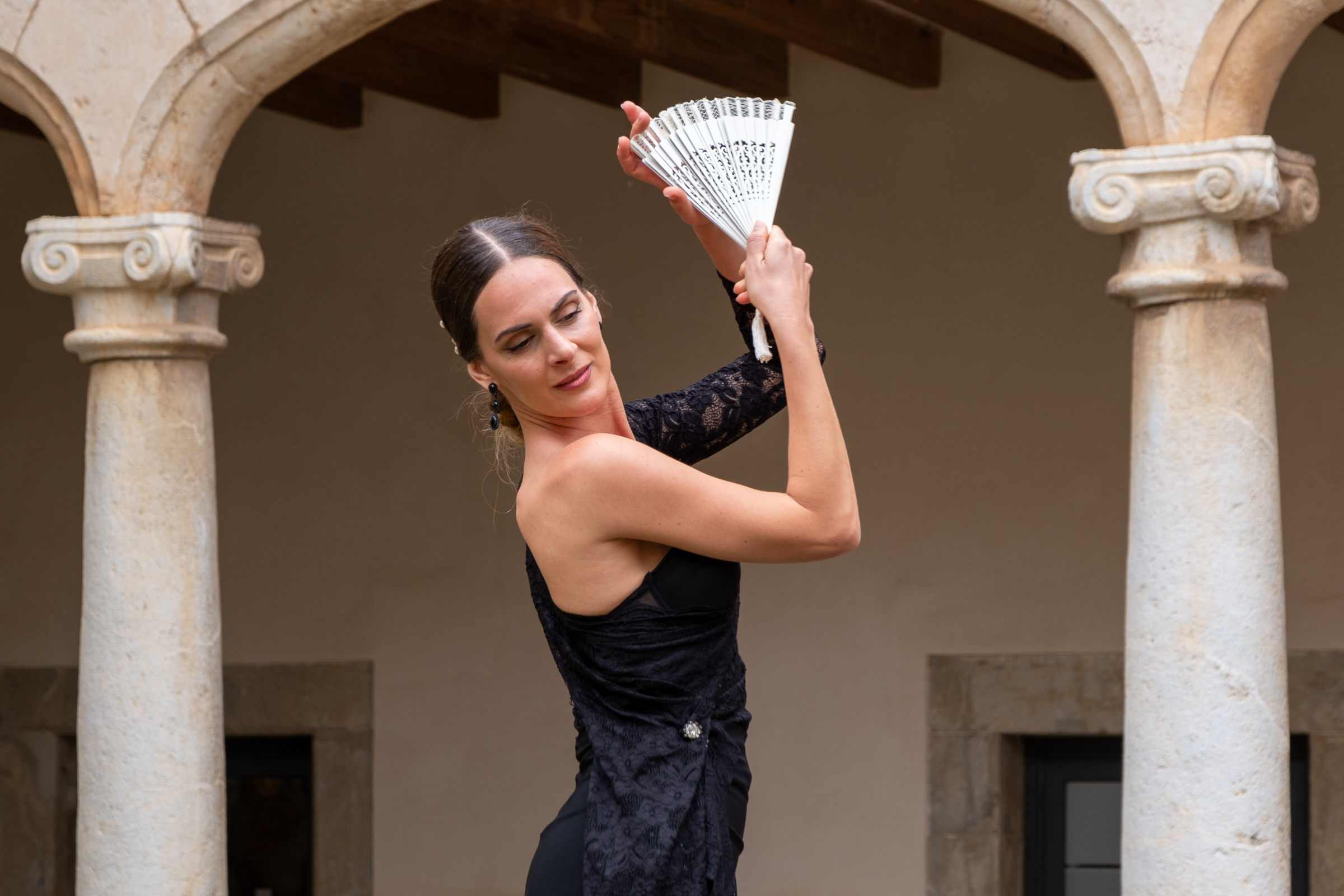
Unfolding The Wings
Today, the fan feels unmistakably Spanish, yet its story begins much earlier. In ancient Egypt and Rome, servants cooled rulers with large palm fronds as symbols of power and status. The folding fan as we know it today, however, was invented in Japan in the seventh century. Legend has it a farmer dreamed up the design after watching a bat fold and unfold its wings.
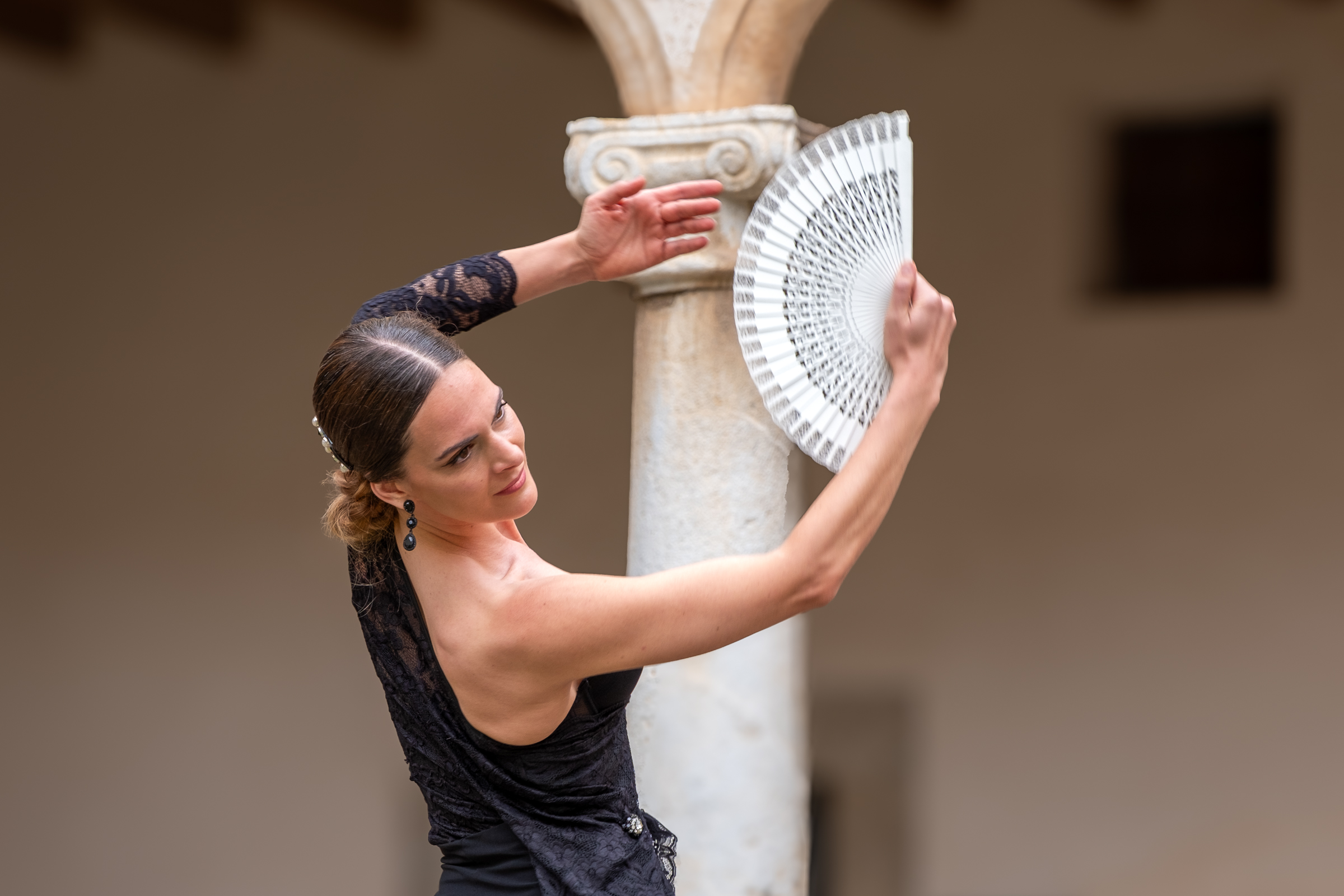
A Nod to Tradition
Eventually, merchants carried these folding fans westward along the Silk Road, and Europe never really let go of them. Since then, the fan has settled into Spanish culture as something far bigger than a cooling tool. It represents elegance, it nods to tradition, and it still gives people a way to express themselves without saying much at all.
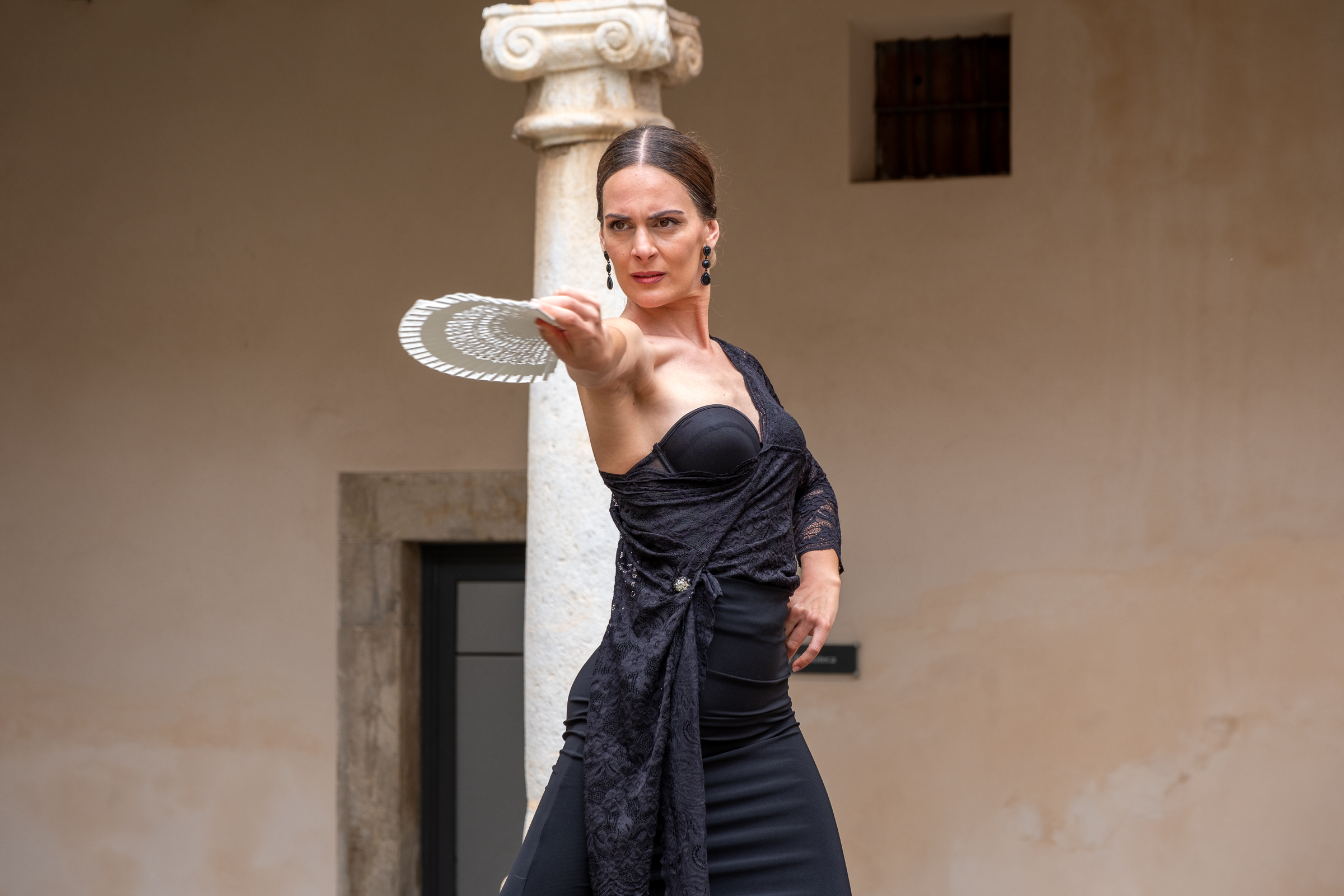
The Message of the Fan
Perhaps that’s why the fan feels surprisingly contemporary. In a world that answers every heatwave with another air conditioner, every blast of cold air usually comes at the cost of releasing even more heat outside. A fan works differently. It is simple, quiet, and entirely in the hands of the person using it.
And maybe, just maybe, that carries its own kind of message. Much like the old language of the fan, opening one today signals an awareness of the people around you. Instead of pushing the problem onto everyone else, it is a small gesture of sharing the same summer, the same heat, and finding a way through it together. Keeping cool, after all, has never been just about temperature. 
The photographs of Lola Naranjo were taken during the filming of a performance by Sirás Compañía de Danza in Inca, capturing the fan where it belongs most naturally, in motion.