Palma heats up January with Sant Sebastià, the city’s patron saint. When demons roam the streets, bonfires light up the nights, and concert stages spring up between Gothic facades. At around the same time though, Sant Antoni takes over in the villages and other towns on the island. With individual festivals that are not only an important annual event for the locals but also a piece of their identity. Because every village celebrates in its own unique way.
The Patron Saint of Animals
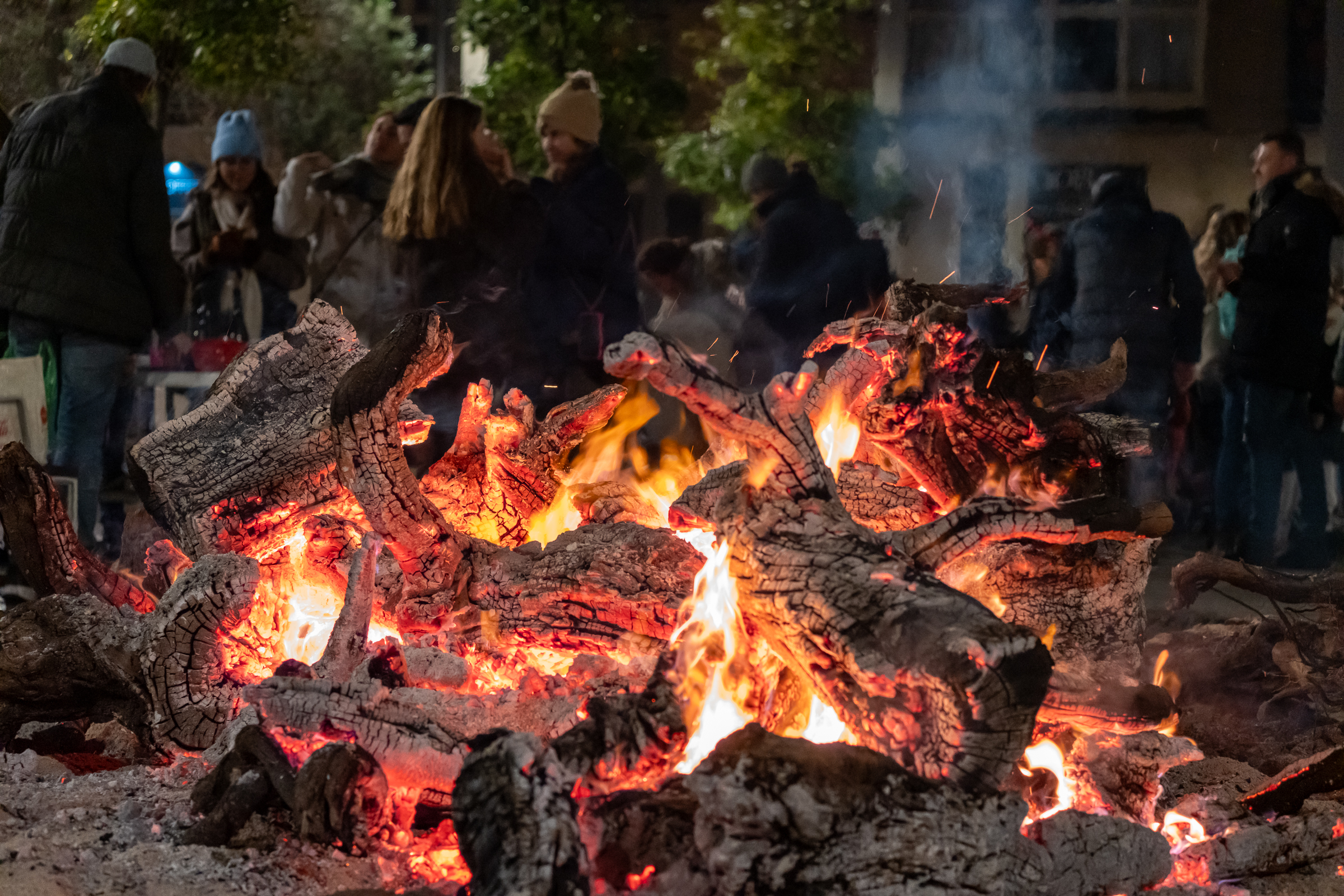
Sant Antoni has been most deeply rooted in Mallorca’s rural heartlands for centuries. Traditionally honored as the patron saint of animals, his feast day brings together fire rituals, music, food, and a deep communal spirit. The most famous celebrations take place in Sa Pobla and Artà, in Manacor, Muro, and Pollença. People gather around public bonfires with barbecues and warming drinks. Xeremiers (bagpipers) play late into the night, and folk songs echo through the narrow streets.
The Beneïdes and the Soul of Sant Antoni
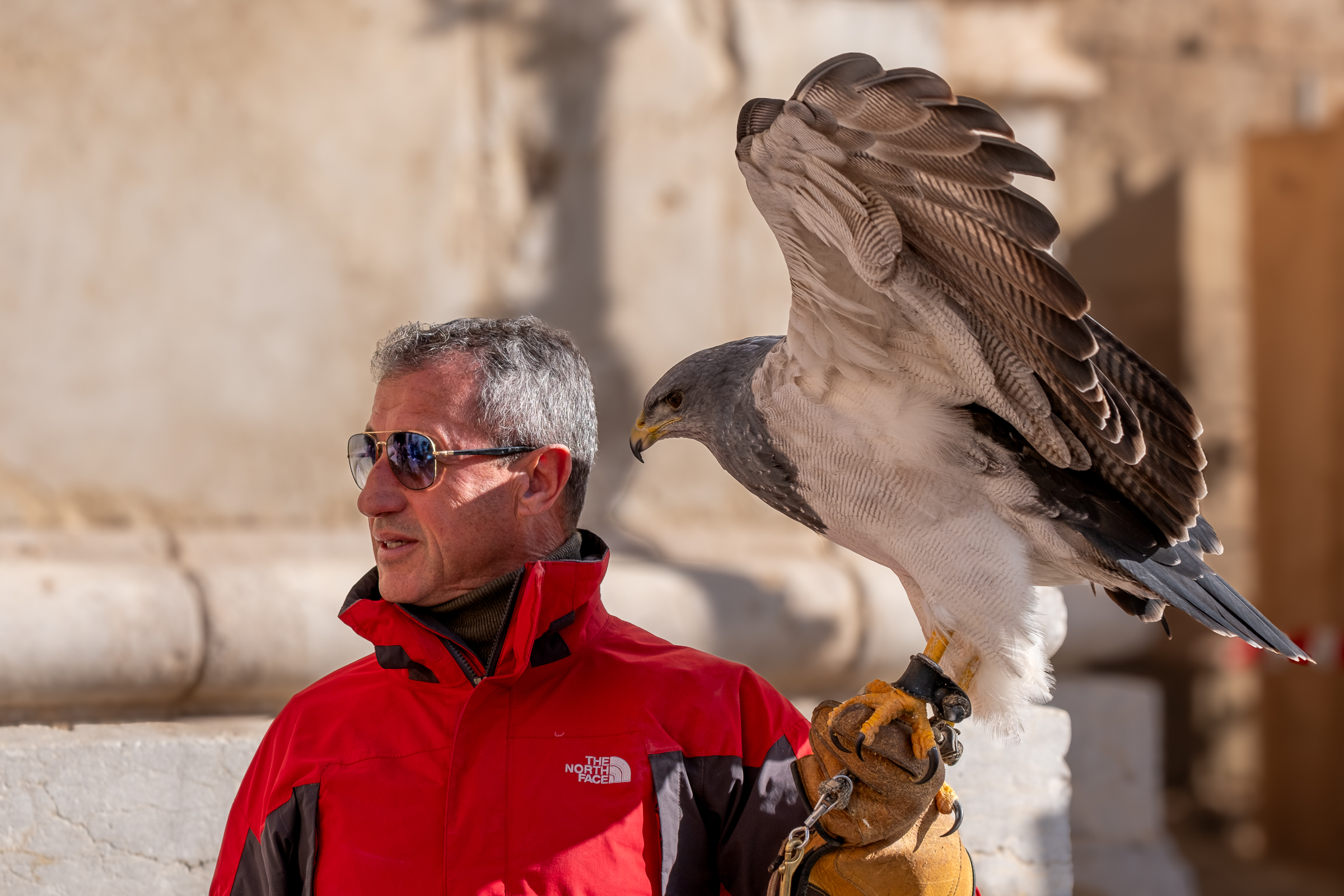
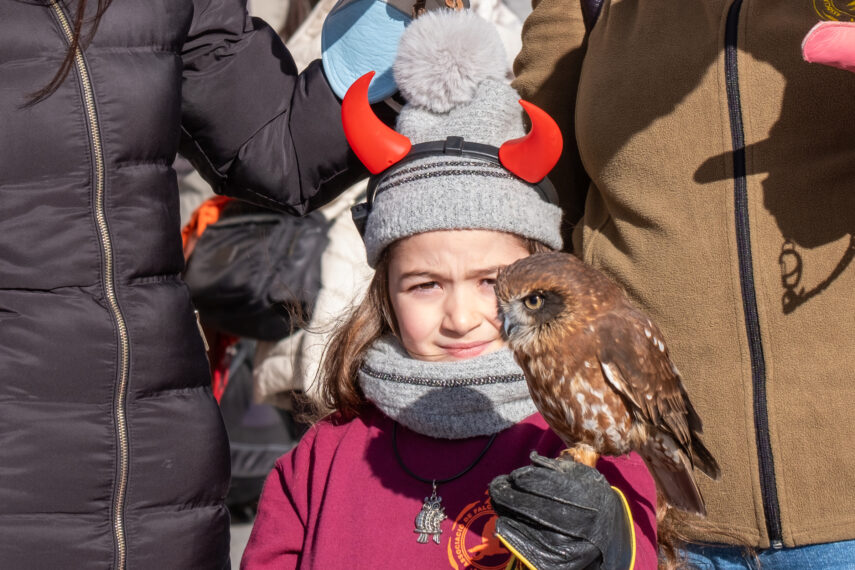
One of the most impressing traditions of Sant Antoni is the beneïdes, the blessing of the animals. Sheep and donkeys wait in dignified confusion, while piglets romp around, dogs and cats wait quietly for their turn. Occasionally even an owl or a falcon can be seen. Locals line up with their animals to pass before a priest, who offers a blessing meant to ensure health and protection for the year ahead. It’s a moment where the festival slows down, revealing a softer side. A reminder that this celebration grew from an agricultural world where animals were family, livelihood, and good fortune all at once.
Enter the Dimonios
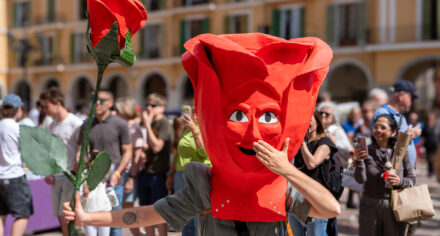
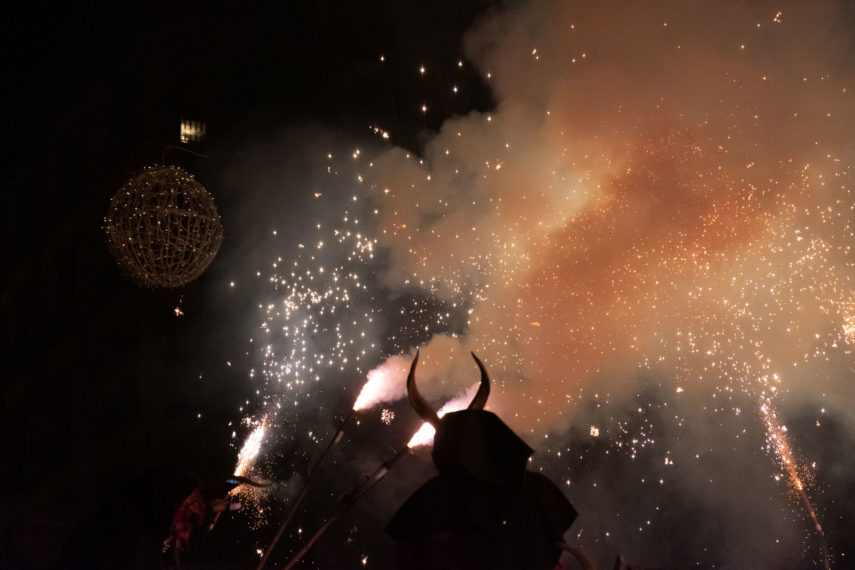
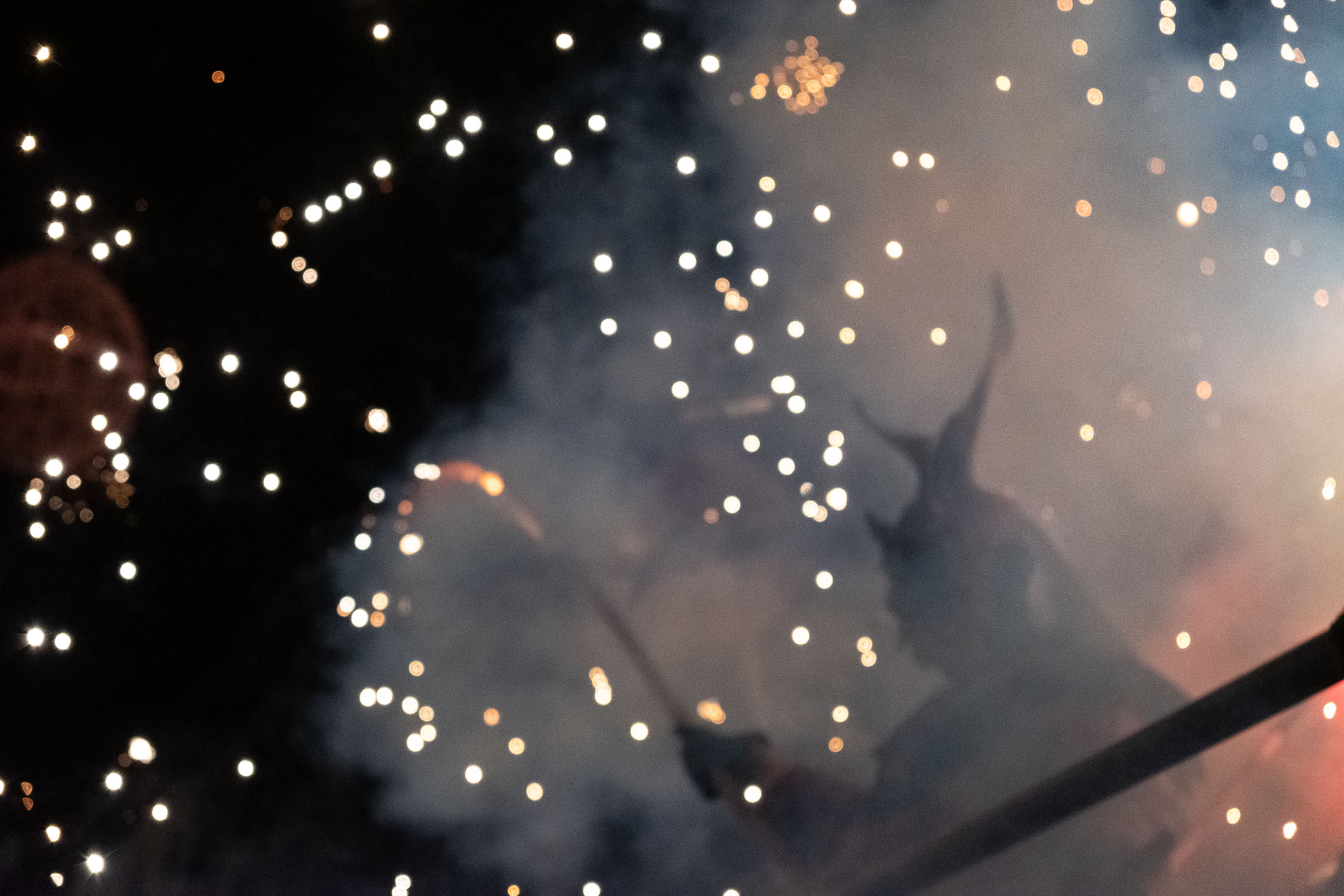
With nightfall come the dimonios. No Sant Antoni without them. These horned, grinning demons and devils are the festival’s wild card, and their character changes from town to town. In Artà, the dimonis are black and theatrical, in Sa Pobla, they dress in provocative red and are more playful, weaving through the crowd, teasing spectators, and igniting spontaneous dances.
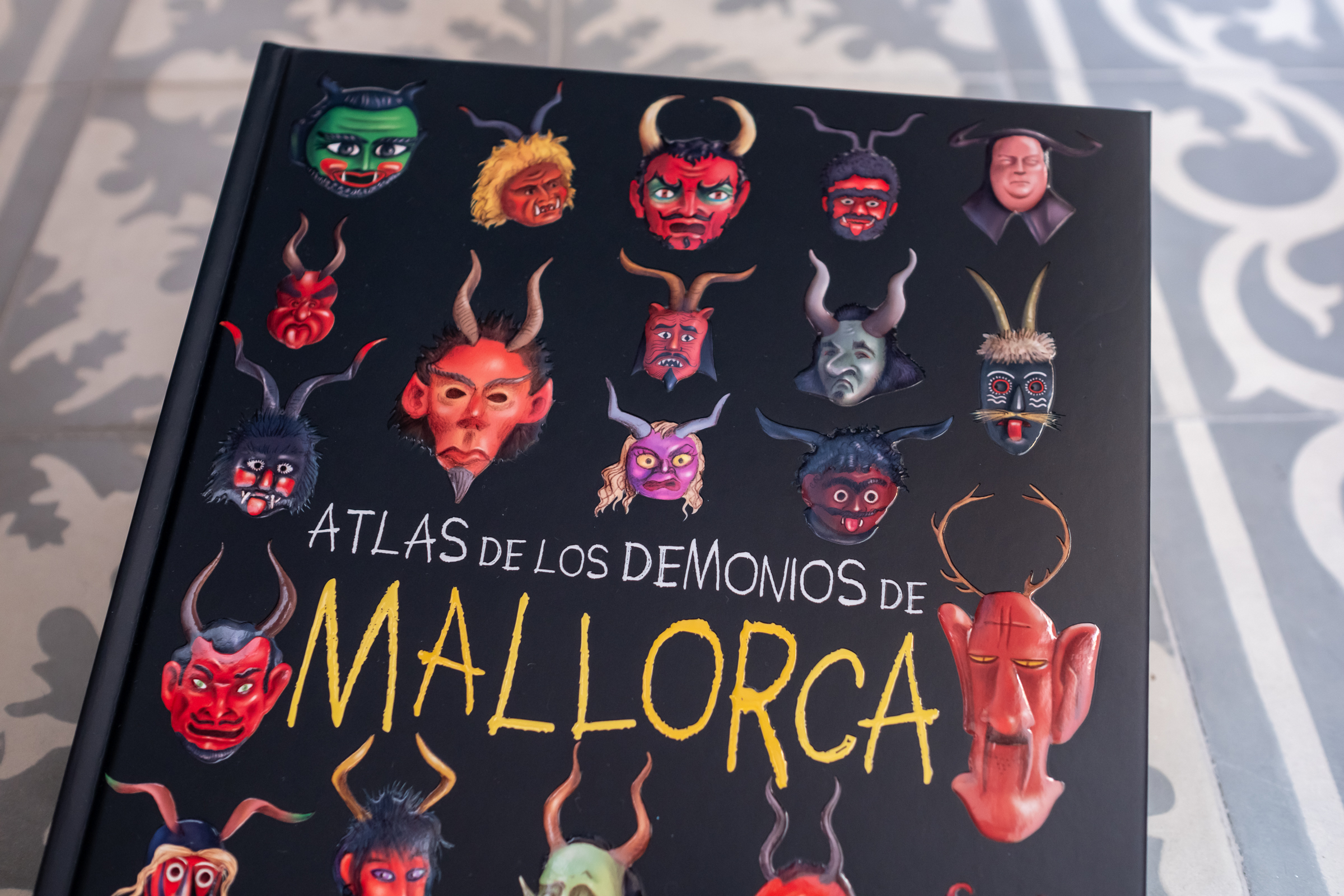
Some wear heavy, traditional masks; others go for a more cartoonish look. The choreography, the drums, even the way the devils “challenge” Sant Antoni himself varies locally. Making each village’s celebration feel like a distinct chapter of the same ancient story. A delightful deep dive into this world is the “Atlas de los Demonios de Mallorca“, which maps the island’s many devilish personalities.
Sant Antoni 2026
Sant Antoni festivities always cluster around mid-January, with key events typically unfolding between January 16 and 18. Dates and programs are usually confirmed locally in early January. But one thing is certain. Wherever firelight flickers, drums pound through the night, and a pair of horns slices through the smoke of rural Mallorca, Sant Antoni has arrived.